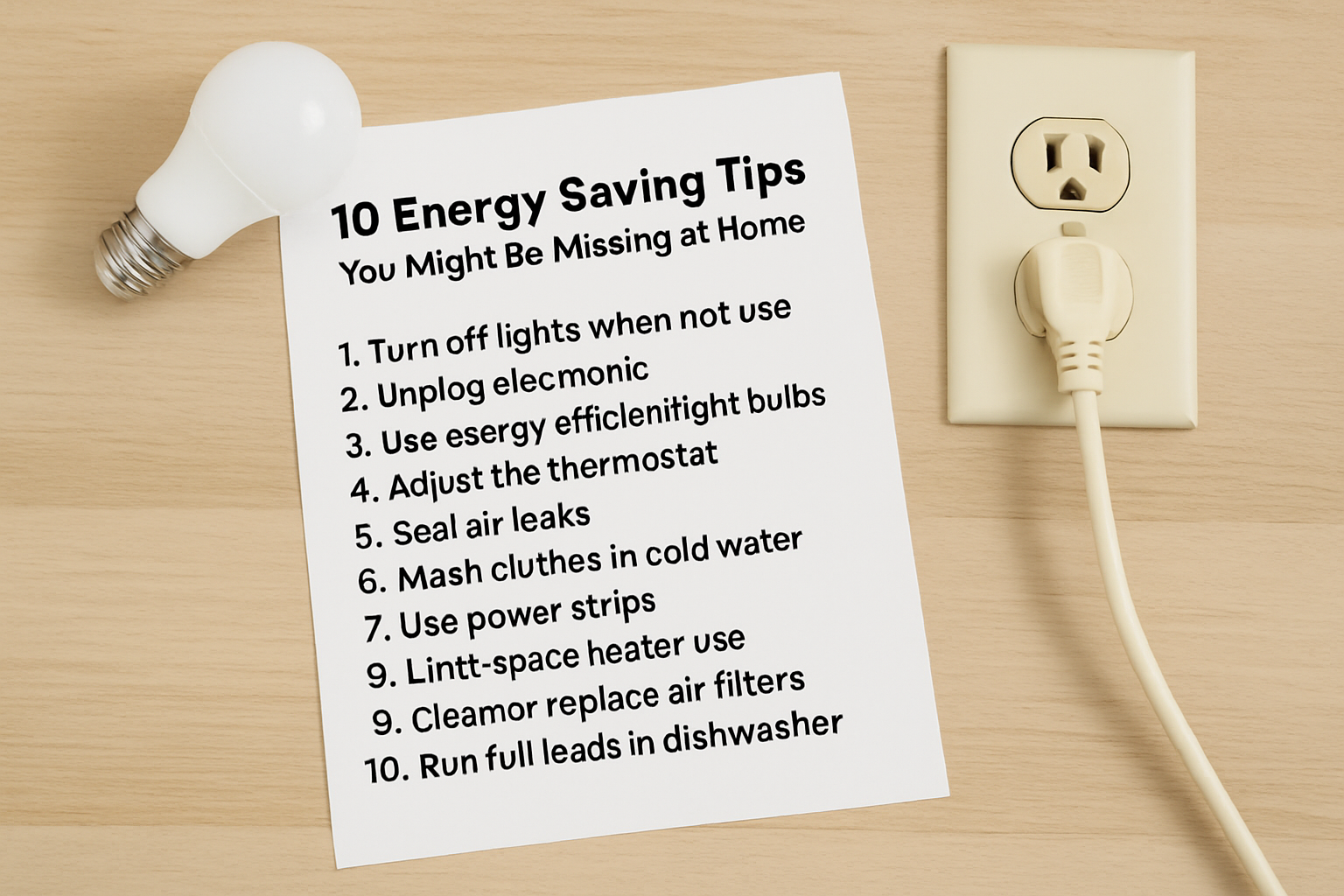
10 Energy Saving Tips You Might Be Missing at Home
Many homeowners miss out on simple yet effective ways to reduce their energy use. Our comprehensive Energy Saving Checklist most households overlook highlights easytoimplement tips to enhance efficiency.
The Importance of Energy Efficiency in Homes
As energy prices and environmental concerns continue to rise, many households are seeking ways to reduce their energy consumption and lower their utility bills. Energy efficiency isn't just about saving money—it's also about reducing your carbon footprint and contributing to a more sustainable future. Despite the prevalence of energy-saving tips, there is often a hidden dimension that households overlook.
Understanding the Basics of Energy Saving
Before diving into the less obvious energy-saving strategies, it's essential to understand the basics. Energy efficiency means using less energy to perform the same task, thereby eliminating energy waste. While turning off lights and unplugging devices when not in use are common practices, effective energy management goes beyond these initial steps.
The Role of Energy Audits
Professional energy audits can identify areas in your home where energy is lost. These audits often reveal leaks in insulation, inefficient appliances, or outdated heating systems that can contribute significantly to energy waste. According to Energy Star, energy audits can reduce household energy costs by up to 30%.
Energy Saving Checklist Most Households Overlook
1. Insulate and Seal Your Home Properly
Most homes are built in a way that allows them to "breathe." However, if they're not properly insulated or sealed, they can lose a significant amount of heated or cooled air. Doing a thorough check and upgrading insulation not only in walls but also in attics, basements, and crawl spaces can be surprisingly effective in reducing energy loss.
2. Use Energy-Efficient Appliances
Appliances account for about 15% of a household's energy consumption. While it's well known that energy-efficient models can reduce consumption, many people tend to overlook this when purchasing new appliances. Look for the ENERGY STAR label to ensure you're using the most energy-efficient option available.
3. Optimize Water Heating
Water heating can account for up to 18% of a home's energy use. Lowering the thermostat on your water heater to 120°F can bring significant savings without compromising comfort. Additionally, switching to a tankless water heater or adding insulation to your water heater tank can minimize standby heat losses.
4. Optimize HVAC Systems
Your heating, ventilation, and air conditioning (HVAC) system is one of the largest consumers of energy in your home. Regular maintenance can help keep them running more efficiently. Consider upgrading to a programmable or smart thermostat, which can reduce energy use by optimizing heating and cooling schedules based on when you're home and active, avoiding over-conditioning when it's unnecessary.
5. Leverage Natural Light
Using natural light rather than artificial lighting whenever possible can reduce energy usage substantially. Incorporating skylights, strategically placing mirrors, or simply keeping blinds open during the day can take advantage of daylight savings and reduce dependence on electric lighting.
6. Switch to LED Lighting
LED bulbs use at least 75% less energy and last 25 times longer than incandescent lighting, as reported by the US Department of Energy. While many households have switched to LEDs in main rooms, ensure all fixtures, including outdoor lighting, are updated for maximum savings.
Implementing the Energy Saving Steps
While some of these energy-saving measures require an upfront investment, the long-term savings on energy bills make them highly cost-effective. For instance, upgrading an HVAC system might seem expensive, but given that heating and cooling account for nearly half of an average home's energy usage, the investment typically pays off within a few years.
Creating an Individualized Energy Saving Plan
Every home is different, and therefore, energy-saving strategies should be tailored to individual needs. Conducting your own energy assessment to identify specific areas of inefficiency in your home is a good starting point. You could also hire a professional energy auditor to develop a more tailored plan.
Sustainable Living: The Bigger Impact
By employing these often-overlooked energy-saving strategies, households can not only achieve substantial savings on utility bills but also make a significant contribution to environmental conservation. Aligning personal habits with broader ecological goals creates a ripple effect that supports sustainable living across communities.
In Conclusion
Adopting a proactive approach to energy efficiency can dramatically improve home comfort while reducing costs and environmental impact. By incorporating both common and less obvious energy-saving tips, you can play a part in fostering a more energy-efficient and environmentally friendly world.