10 Household Items You Should Unplug to Save on Your Energy Bill
Reducing energy costs might be easier than you think! Unplug these common household items to potentially lower your energy bill. Many devices use power even when not in active use, contributing to higher costs.
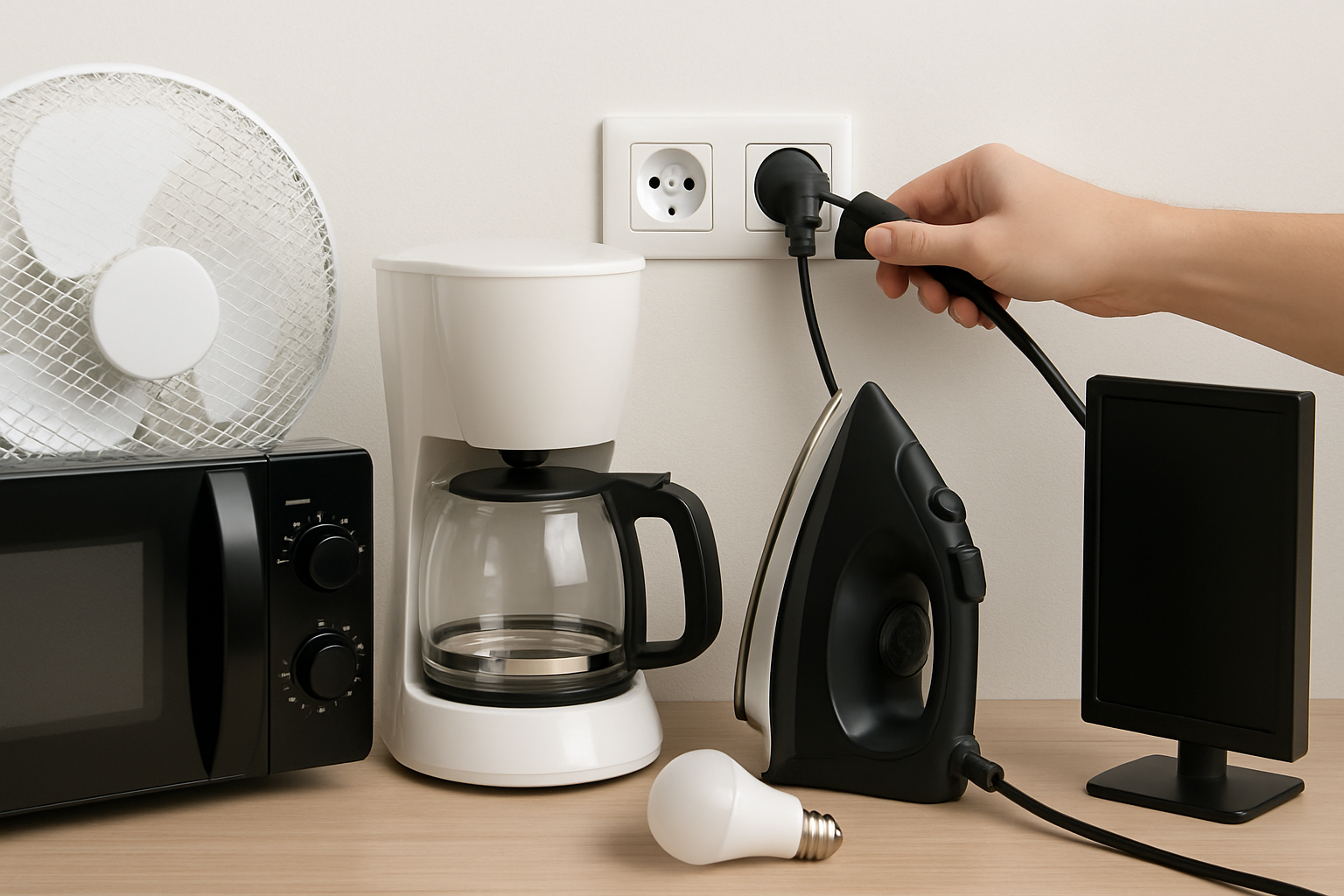
The Importance of Managing Household Energy Usage
In today’s world, energy efficiency is more important than ever. With rising energy costs and the pressing need for environmental conservation, households are increasingly looking for ways to reduce their energy consumption. One of the simplest yet most effective measures is to unplug devices that continue to draw power even when not in use. These devices, often referred to as "energy vampires," can add a significant amount to your energy bill.
What Are Energy Vampires?
Energy vampires are electronic devices and appliances that consume electricity even when they’re turned off or not being actively used. This standby power consumption can account for as much as 10% of a household's annual electricity use according to recent studies. Unplugging these items can thus lead to noticeable savings.
Common Household Items to Unplug
Many common household items are notorious for their vampire energy usage. Here's a detailed look at what these items are and why unplugging them can help lower your energy bill:
- Televisions and Entertainment Systems:Modern televisions, especially those with large screens or Smart TV capabilities, consume power even in standby mode to maintain connectivity features such as voice activation or channel updates.
- Computers and Peripheral Devices:Computers, printers, and other peripherals often draw power continuously to maintain network connections and ready states. Shutting them down completely or unplugging them when not in use can be very effective.
- Chargers:Chargers for phones, tablets, and other devices consume energy even when they're not actively charging. Unplugging them after use ca contribute to energy savings.
- Kitchen Appliances:Microwaves, coffee makers, and electric kettles often have digital clocks and settings that draw power continuously. Unplug these when not in use.
- Game Consoles:Consoles that remain on standby for quick startup waste a significant amount of energy. Unplug or switch them off completely to cut down on wasted power.
How Unplugging Saves Energy
When household items are consistently unplugged when not needed, the cumulative savings can be substantial. To understand the impact, consider research that shows the average American household could save up to $200 annually by diligently unplugging unused electronics (U.S. Energy Information Administration, 2026). Such savings are not only beneficial for your wallet but also for the environment by reducing carbon emissions associated with electricity production.
Practical Tips for Managing Standby Power
While unplugging devices is a straightforward solution, managing devices for energy efficiency can benefit from other strategies:
- Power Strips: Using advanced power strips can help reduce standby consumption efficiently. These strips can cut off power to devices when not in use, offering convenience without compromising energy savings.
- Timed Outlets: Timers or smart plugs that automatically turn devices off after a certain period of inactivity can be a smart investment.
- Energy-Saving Settings: Enable energy-saving modes on devices that offer them, which can reduce consumption during inactivity.
- Routine Checks: Regularly inspect your home for devices left plugged in unnecessarily and conduct an "energy audit" to ensure you're minimizing waste.
Conclusion: The Bigger Picture of Energy Savings
Reducing energy consumption is a multifaceted effort that goes beyond simply unplugging devices. However, understanding and acting on the impact of standby power provides an excellent starting point. The energy savings from unplugging devices contribute significantly toward a smaller carbon footprint and more sustainable living practices. By implementing these changes and remaining aware of energy usage habits, households can make both a financial and environmental difference.
Additional Resources
For further reading and tools to better manage household energy usage, consider visiting the following resources: