4 Practical Tips to Reduce Protein Levels in Urine Safely
Discover helpful insights on managing protein levels in your urine with our expert tips! Learn about 4 ways to naturally support your kidney health and reduce protein in urine. While results vary, focusing on a balanced diet and healthy lifestyle changes can be beneficial.
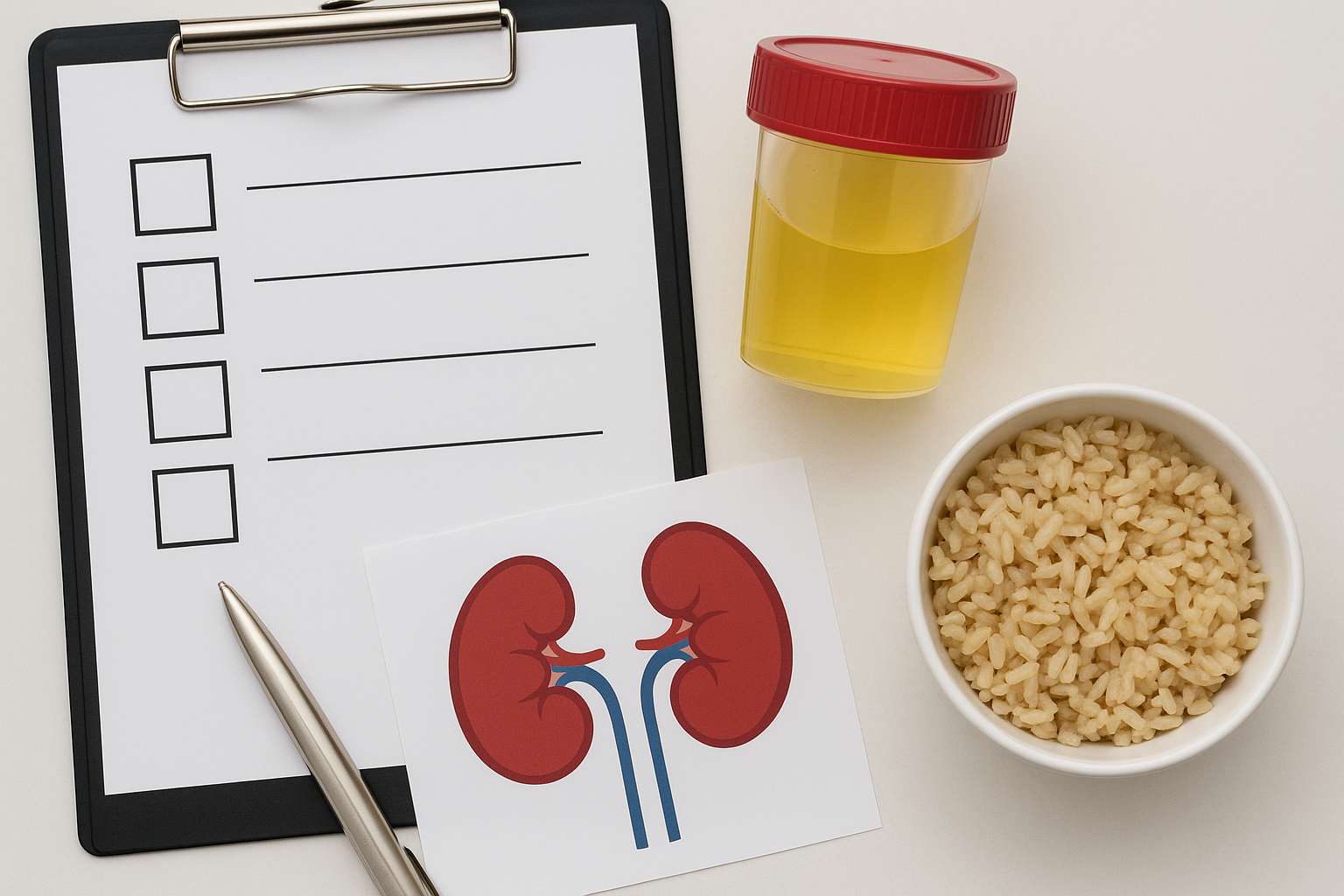
Understanding Protein in Urine: What Does It Mean?
Protein in the urine, medically known as proteinuria, refers to the presence of an abnormal amount of protein in the urine. Normally, your kidneys filter waste products from your blood while retaining components the body needs, such as proteins. However, when kidney filters are damaged, protein can leak into the urine. This condition can be a sign of kidney disease or other health conditions. According to the National Kidney Foundation, proteinuria is a key marker of kidney trouble and often requires timely intervention to prevent further kidney damage.
Key Symptoms to Watch For
Often, proteinuria does not present with overt symptoms, especially in the early stages. However, as the condition progresses, you may notice:
- Swelling in your hands, feet, abdomen, or face due to fluid retention
- Foamy or bubbly urine, which occurs when protein levels are high
- Sudden weight gain from fluid buildup
- Fatigue and muscle cramps
It's crucial to contact a healthcare professional if you experience any of these symptoms for appropriate diagnostic tests and management.
4 Tips To Lower Protein In Urine
1. Adopt a Renal-Friendly Diet
Diet plays a crucial role in managing proteinuria. A renal-friendly diet focuses on reducing stress on the kidneys and preventing further damage. Consider the following dietary changes:
- Reduce Sodium Intake: High sodium levels can cause your body to retain more fluid, further stressing your kidneys. Aim for less than 2,300 mg of sodium daily.
- Monitor Protein Consumption: While protein is essential, excessive intake can worsen kidney issues. Speak with a dietitian to determine your protein needs based on your condition.
- Incorporate More Plant-Based Foods: Emphasize fruits, vegetables, and whole grains. Plant-based diets have been linked to improved kidney health and lower risks of proteinuria.
2. Stay Well-Hydrated
Proper hydration is vital for kidney function and can help in reducing protein levels in your urine. Drinking adequate amounts of water ensures that waste and toxins are flushed through the kidneys efficiently, which can prevent and reduce proteinuria.
Ensure you drink water throughout the day, and adjust your intake based on activity level and climate. Note, however, that those with significant kidney impairment may need to consult with their healthcare provider about fluid intake.
3. Manage Blood Pressure and Blood Sugar Levels
High blood pressure and diabetes are leading causes of kidney damage and can result in proteinuria. Effective management of these conditions can significantly lower the presence of protein in urine:
- Blood Pressure Control: Use medications as prescribed to maintain blood pressure at optimal levels. Engage in regular exercise and reduce stress to assist in managing blood pressure.
- Blood Sugar Management: For those with diabetes, keeping blood glucose levels in check is crucial to prevent kidney damage. Monitor your blood sugar regularly and adhere to your medication plan.
4. Regular Check-ups and Follow-ups
Routine medical check-ups can help catch early signs of kidney disease. Regular lab work, including urine and blood tests, can monitor kidney function and protein levels. Early diagnosis and intervention can arrest the progression of kidney disease and diminish proteinuria effects.
Communicate any new symptoms to your healthcare provider and discuss any lifestyle or medication adjustments needed based on your current health status.
Recent Advances and Research in Proteinuria Management
In 2026, researchers have been focusing on innovative treatments and management strategies for proteinuria. For instance, a study published in the Kidney Research Journal explored the effectiveness of SGLT2 inhibitors, a class of medications initially developed for diabetes management, now showing promise in reducing proteinuria independent of their glucose-lowering effects.
Another breakthrough highlighted in a publication from the Journal of Nephrology discusses the impact of lifestyle modifications combined with pharmacological interventions on slowing the progression of chronic kidney disease, underscoring the importance of a multi-faceted approach.
Conclusion
Proteinuria is a significant health indicator that should not be overlooked. Understanding how to lower protein in urine involves dietary changes, maintaining hydration, managing underlying health conditions, and consistent medical oversight. By adopting these practices, individuals can take active steps in managing their kidney health and overall wellbeing. As always, work closely with healthcare professionals to tailor a plan that's right for you, incorporating current research findings for the best outcomes.
References