5 Best Foods to Soothe Acid Reflux Naturally
Struggling with acid reflux? Discover our list of the top 5 foods to eat if you have acid reflux that can help alleviate symptoms. While no food guarantees relief, these choices are known to be soothing and may aid digestion.
Understanding Acid Reflux: Causes and Symptoms
Acid reflux, also known as gastroesophageal reflux disease (GERD), is a chronic condition characterized by the frequent flow of stomach acid back into the esophagus. This can lead to uncomfortable symptoms such as heartburn, regurgitation, and discomfort in the upper abdomen. According to recent studies from 2026, nearly 20% of the population in developed countries experience acid reflux symptoms on a weekly basis, making it a common issue that warrants attention.
The primary cause of acid reflux is a malfunction in the lower esophageal sphincter (LES), which is supposed to close as soon as food passes through. When it doesn't close properly or opens too often, acid produced by the stomach can move up into the esophagus, causing symptoms. Other contributing factors include obesity, pregnancy, smoking, and consuming excessive amounts of caffeine or alcohol.
The Importance of Diet in Managing Acid Reflux
The foods you eat play a critical role in managing acid reflux and mitigating its symptoms. Since different foods can either exacerbate or alleviate symptoms, understanding which foods are beneficial is key to managing this condition effectively. A 2026 review published in the Journal of Gastroenterology highlights the significance of dietary management in improving the quality of life for people with GERD.
While medications are often prescribed, lifestyle and dietary changes can significantly reduce symptoms and even improve the function of the lower esophageal sphincter.
Top 5 Foods To Eat If You Have Acid Reflux
Incorporating certain foods into your diet can help manage the symptoms of acid reflux more effectively. Here are five foods highly recommended:
- Oatmeal: A staple in many breakfast dishes, oatmeal is a whole grain that is not only filling but also excellent for reducing stomach acid. Its high fiber content can help stabilize digestive processes and reduce symptoms.
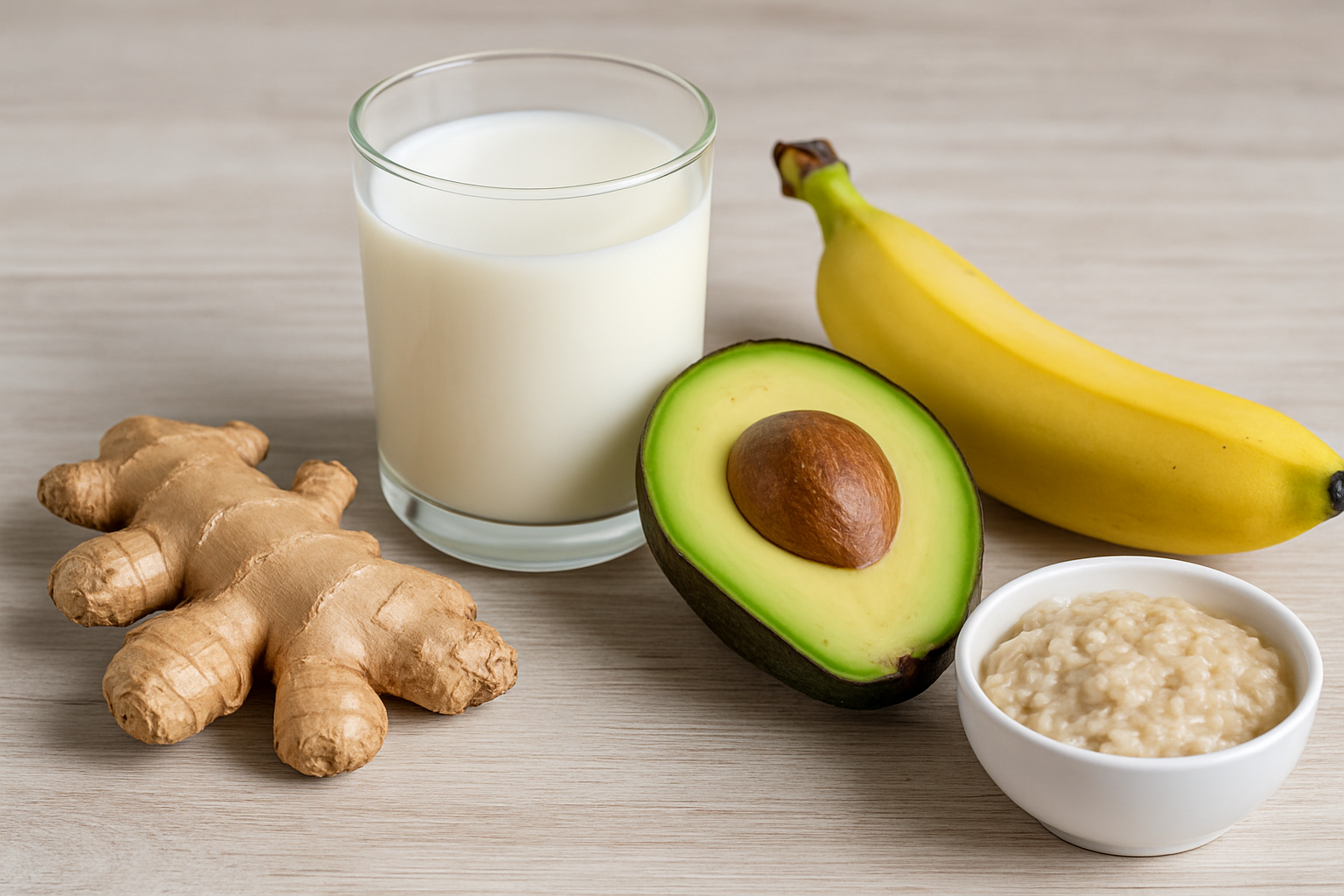
- Ginger: Known for its anti-inflammatory properties, ginger has been used for centuries as a natural remedy for gastrointestinal issues. It can reduce nausea and inflammation, providing significant relief for acid reflux sufferers.
- Green vegetables: Vegetables such as asparagus, broccoli, and green beans are low in fat and sugar, making them good choices for those prone to acid reflux. These foods help neutralize stomach acid and decrease overall acidity.
- Non-citrus fruits: While citrus fruits can exacerbate acid reflux symptoms, non-citrus options like bananas, melons, and apples are much safer. They provide essential nutrients without the risk of increasing acidity.
- Lean meats and seafood: Proteins such as chicken, turkey, and fish are lower in fat compared to red meats, making them easier on the digestive system. Grilling or broiling them can further reduce fats.
Foods to Avoid When You Have Acid Reflux
Conversely, there are foods and beverages that can aggravate acid reflux symptoms and should be avoided or consumed in moderation:
- Fried and fatty foods: These can relax the lower esophageal sphincter, making it easier for stomach acid to escape into the esophagus.
- Spicy foods: Known to increase heartburn, spicy foods can lead to an overproduction of stomach acid.
- Caffeinated drinks: Beverages like coffee and tea can relax the LES and increase acidity in the stomach.
- Chocolate: Contains caffeine and other compounds that can exacerbate acid reflux symptoms.
- Carbonated beverages: The bubbles in fizzy drinks can expand in your stomach, pushing acid into the esophagus.
Implementing Dietary Changes: Real-World Strategies
Making dietary changes can be challenging, but it’s a crucial step in managing acid reflux. Here are some strategies to help you implement these changes effectively:
- Meal planning: Plan your meals ahead of time to ensure that you include plenty of reflux-friendly foods. This can prevent impulse eating, which often involves less healthy choices.
- Mindful eating: Eat slowly and chew your food thoroughly. Smaller, more frequent meals can also help manage reflux.
- Stay mindful of portion sizes: Overeating increases the risk of acid reflux. Measure your food to ensure you're eating appropriate portions.
- Keep a food diary: Record your meals and symptoms to identify triggers and patterns.
Conclusion: Taking Control of Acid Reflux
While acid reflux can be uncomfortable and disruptive, incorporating the right foods into your diet and being mindful of your eating habits can significantly alleviate symptoms. Combined with medical advice and lifestyle changes, these dietary adjustments can contribute to a more comfortable and reflux-free life.
To stay updated with the latest research and personalized advice, consider consulting healthcare professionals and reliable sources such as the American Gastroenterological Association, which offers comprehensive resources and insights into the management of acid reflux and other gastrointestinal disorders.