5 Essential Foods for Managing Arthritis Naturally
Discover the top 5 foods to eat if you have arthritis and find out how they can complement your lifestyle. While no food promises to eliminate arthritis symptoms, including antioxidant-rich options could support overall joint health.
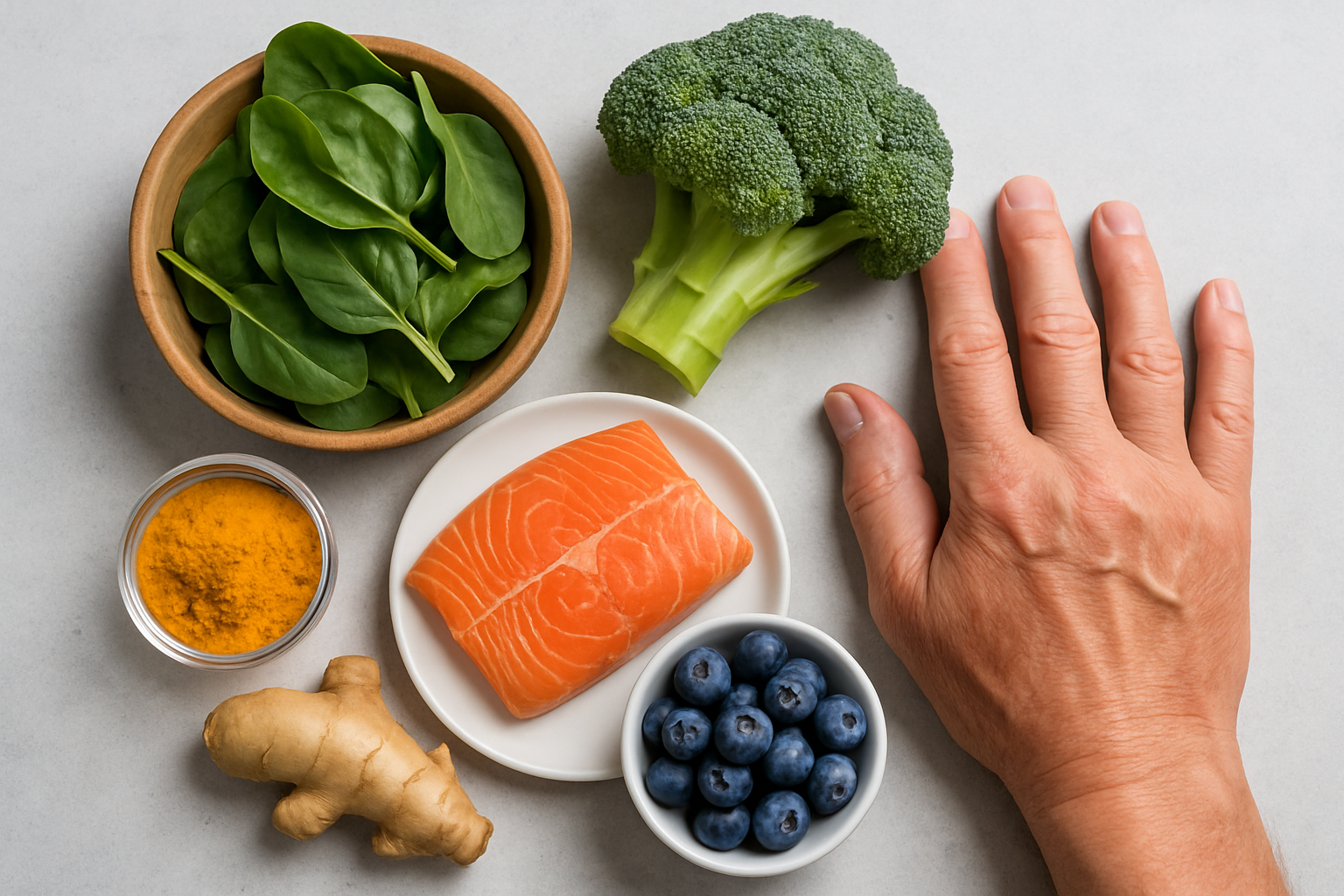
Understanding Arthritis and Its Impact on Diet
Arthritis, a common condition characterized by inflammation in the joints, affects millions of individuals worldwide, with symptoms such as pain, swelling, and reduced joint mobility. For those living with arthritis, diet plays a crucial role in managing these symptoms and improving overall quality of life. Recent research highlights the importance of incorporating anti-inflammatory foods into one's diet to help manage arthritis symptoms effectively.
What Are the Best Foods for Arthritis?
If you have arthritis, you might be seeking foods that can alleviate your symptoms and support joint health. While there is no one-size-fits-all diet for arthritis, certain foods have been shown to possess anti-inflammatory properties that may benefit those dealing with joint inflammation. Here are the top five foods to consider including in your diet:
- Fatty Fish (e.g., salmon, mackerel)
- Leafy Greens (e.g., spinach, kale)
- Olive Oil
- Berries (e.g., strawberries, blueberries)
- Nuts (e.g., almonds, walnuts)
Why These Foods Are Beneficial for Arthritis
Fatty Fish
Fatty fish are rich in omega-3 fatty acids, which have been shown to reduce inflammation and decrease the severity of arthritis symptoms. A 2026 study published in the Journal of Rheumatology found that participants who consumed omega-3 supplements experienced fewer symptoms compared to those who did not. Including fish like salmon and mackerel in your meals, at least twice a week, can provide your body with these essential nutrients.
Leafy Greens
Leafy greens such as spinach and kale are abundant in antioxidants and vitamins that help combat inflammation. These vegetables provide essential nutrients like vitamin K, which, according to a recent study in the Nutrition Research, plays a vital role in bone health and reducing inflammatory markers in the body. Incorporating these greens into salads, smoothies, or stir-fries can be both delicious and beneficial for your joints.
Olive Oil
Olive oil is a staple in the Mediterranean diet, known for its heart-health and anti-inflammatory properties. It contains oleocanthal, a compound with effects similar to anti-inflammatory drugs. A 2026 report in the Arthritis Care & Research journal suggests that regular consumption of olive oil can help manage chronic pain conditions like arthritis. Use extra virgin olive oil in your cooking or as a salad dressing to enjoy its benefits.
Berries
Berries, including strawberries and blueberries, are loaded with antioxidants known as flavonoids, which offer anti-inflammatory effects. Research conducted and published in the American Journal of Clinical Nutrition in 2026 indicates that individuals who consume berries regularly show reduced inflammation levels and improved arthritis symptoms. Adding a handful of berries to your breakfast or as a snack can make a significant difference in your health.
Nuts
Nuts like almonds and walnuts provide a good source of fiber, protein, and healthy fats. They are also packed with antioxidants that offer anti-inflammatory benefits. A study highlighted in the Journal of Food Biochemistry in 2026 demonstrated that regular nut consumption is linked to decreased inflammatory biomarkers. Snack on nuts for a convenient and nutritious way to support your joint health.
The Role of Diet in Arthritis Management
While medications and physical therapy are often prescribed to manage arthritis, dietary interventions can substantially boost these efforts. By choosing foods with naturally occurring anti-inflammatory compounds, individuals with arthritis can potentially reduce the reliance on medications and experience fewer side effects.
It's essential to note that each person's response to dietary changes may vary, and consulting with a healthcare provider or a registered dietitian familiar with arthritis is advisable when modifying your diet.
Additional Tips for an Arthritis-Friendly Diet
Beyond the top five foods, incorporating overall dietary changes can further benefit joint health:
- Stay hydrated by drinking plenty of water, which helps maintain joint lubrication.
- Limit processed foods high in trans fats and sugars, commonly associated with increased inflammation.
- Consider incorporating spices like turmeric and ginger, known for their anti-inflammatory properties, into your cooking.
Conclusion
Managing arthritis through diet involves more than just incorporating specific foods; it requires a balanced approach that integrates a wide range of nutrients known for their anti-inflammatory effects. By focusing on a diet rich in fruits, vegetables, healthy fats, and lean proteins, you can take control of your arthritis symptoms and enhance your overall well-being. As always, personalized dietary advice should be obtained from a healthcare provider to best suit your individual health needs.
Sources: