5 Heart-Healthy Foods to Support Your Cardiovascular Health
Discover the top 5 foods to eat if you have heart problems! These heart-friendly options can be a tasty part of a balanced diet and support your overall well-being. Learn how these foods might play a role in managing heart health when combined with healthy lifestyle choices.
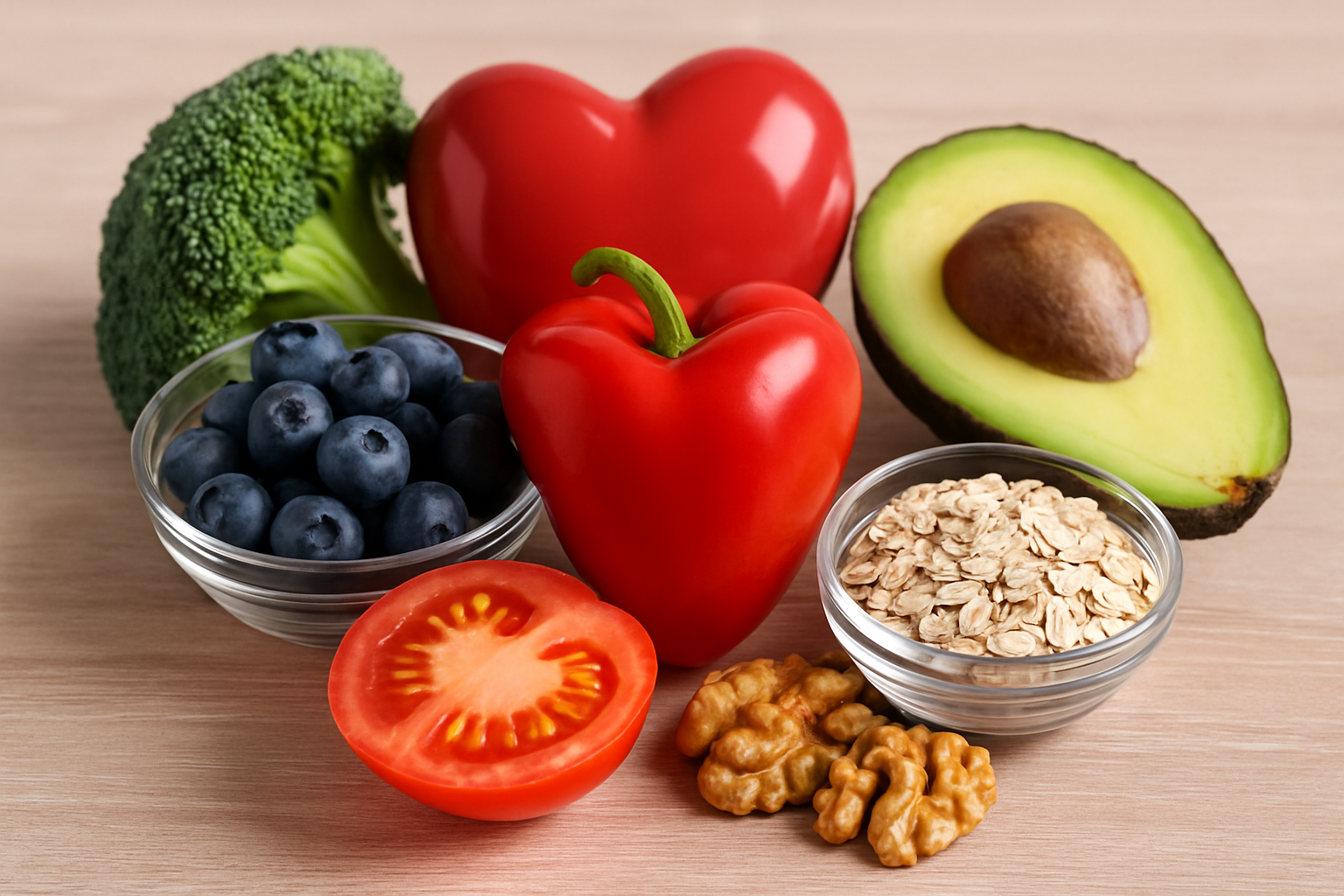
Understanding Heart Health and Nutrition
Heart health is a crucial aspect of overall well-being, especially as heart disease remains a leading cause of death globally. According to the World Health Organization, cardiovascular diseases claim an estimated 18 million lives annually. With such significant statistics, it’s essential to understand how dietary choices directly impact heart health. The right foods not only prevent the onset of heart conditions but also manage and improve existing heart problems.
Why Diet Matters for Heart Problems
The food you consume plays a vital role in maintaining heart health. Diet influences cholesterol levels, blood pressure, inflammation, and weight, all factors that contribute to heart disease. Incorporating heart-friendly foods into your diet can significantly reduce the risk of heart-related issues. Current research from the American Heart Association emphasizes the significance of a balanced diet in managing heart problems, highlighting the benefits of specific nutrients and food groups.
Top 5 Foods to Eat If You Have Heart Problems
1. Fatty Fish
Fatty fish like salmon, sardines, and mackerel are rich in omega-3 fatty acids, which are essential for heart health. Omega-3s have been shown to reduce triglycerides, lower blood pressure, and decrease the risk of arrhythmias. A study published in the Journal of the American College of Cardiology in 2026 found that individuals who consumed at least two servings of fatty fish weekly experienced a 15% reduction in heart disease risk.
- Example dishes: Grilled salmon with herbed quinoa, Sardine salad with mixed greens
2. Leafy Green Vegetables
Leafy greens such as spinach, kale, and swiss chard are packed with vitamins, minerals, and antioxidants known to support heart health. They are a valuable source of vitamin K, which helps protect arteries and promote proper blood clotting. A 2026 study in the journal Circulation showed that individuals who regularly consumed leafy greens had a 16% lower risk of developing heart disease.
- Example dishes: Kale and spinach smoothie, Stir-fried swiss chard and garlic
3. Whole Grains
Whole grains like oats, barley, and brown rice are excellent sources of dietary fiber, which reduces cholesterol levels and encourages heart health. The complex carbohydrates in whole grains also help maintain stable blood sugar levels. Recent data from the Global Burden of Disease Study 2026 suggests that diets rich in whole grains correlate with a 20% reduction in cardiovascular disease mortality.
- Example dishes: Overnight oats with berries, Quinoa and vegetable salad
4. Berries
Berries, including strawberries, blueberries, and raspberries, are loaded with polyphenols, particularly anthocyanins, which are known for their heart-protective properties. These compounds have been associated with reducing oxidative stress and inflammation. A Harvard University study found that people who consumed berries regularly had a significantly lower risk of heart attacks.
- Example dishes: Berry yogurt parfait, Blueberry and walnut oatmeal
5. Nuts
Nuts such as almonds, walnuts, and pistachios contain healthy fats, fiber, and antioxidants that contribute to heart health. They help lower LDL cholesterol and improve the function of your blood vessels. The 2026 Nutritional Journal reports that consuming nuts five times a week can reduce the risk of heart disease by 30%.
- Example dishes: Almond-crusted chicken, Mixed nut and dried fruit snack mix
Lifestyle Changes to Complement Your Diet
While incorporating these heart-healthy foods is a great start, it's also essential to make lifestyle changes that further promote heart health.
Regular Exercise
Engaging in regular physical activity strengthens the heart muscle, helps maintain a healthy weight, and reduces the risk of developing heart disease. The American Heart Association recommends at least 150 minutes of moderate-intensity exercise per week.
Stress Management
Chronic stress may lead to heart problems, so learning stress management techniques such as mindfulness, meditation, or deep-breathing exercises can be beneficial for heart health.
Conclusion
Prioritizing heart health with nutrient-rich food choices and healthy lifestyle habits can significantly reduce the risk of heart problems and improve quality of life. Consult with a healthcare provider or registered dietitian to tailor these suggestions to your personal needs and medical history. For further information and guidance, consider referring to the resources available at the American Heart Association and the National Institute of Health.