5 Nutrient-Rich Foods to Support Your PCOS Journey
Explore the top 5 foods to eat if you have PCOS, carefully selected to help support your health journey. Managing PCOS can be challenging, but incorporating these foods might provide nourishment and balance. Learn how integrating these dietary choices can potentially assist with overall wellness.
Understanding PCOS and Its Dietary Implications
Polycystic ovary syndrome (PCOS) is a common hormonal disorder that affects approximately 10% of women of reproductive age. The condition is characterized by symptoms like irregular periods, excessive hair growth, acne, and obesity. While the exact cause remains unknown, PCOS is associated with insulin resistance, inflammation, and hormones like androgens that are higher than normal.
Given these complexities, dietary changes can play a significant role in managing the symptoms of PCOS. While there is no one-size-fits-all diet, certain foods can help improve insulin sensitivity, reduce inflammation, and balance hormone levels.
Top 5 Foods to Eat If You Have PCOS
1. Leafy Greens
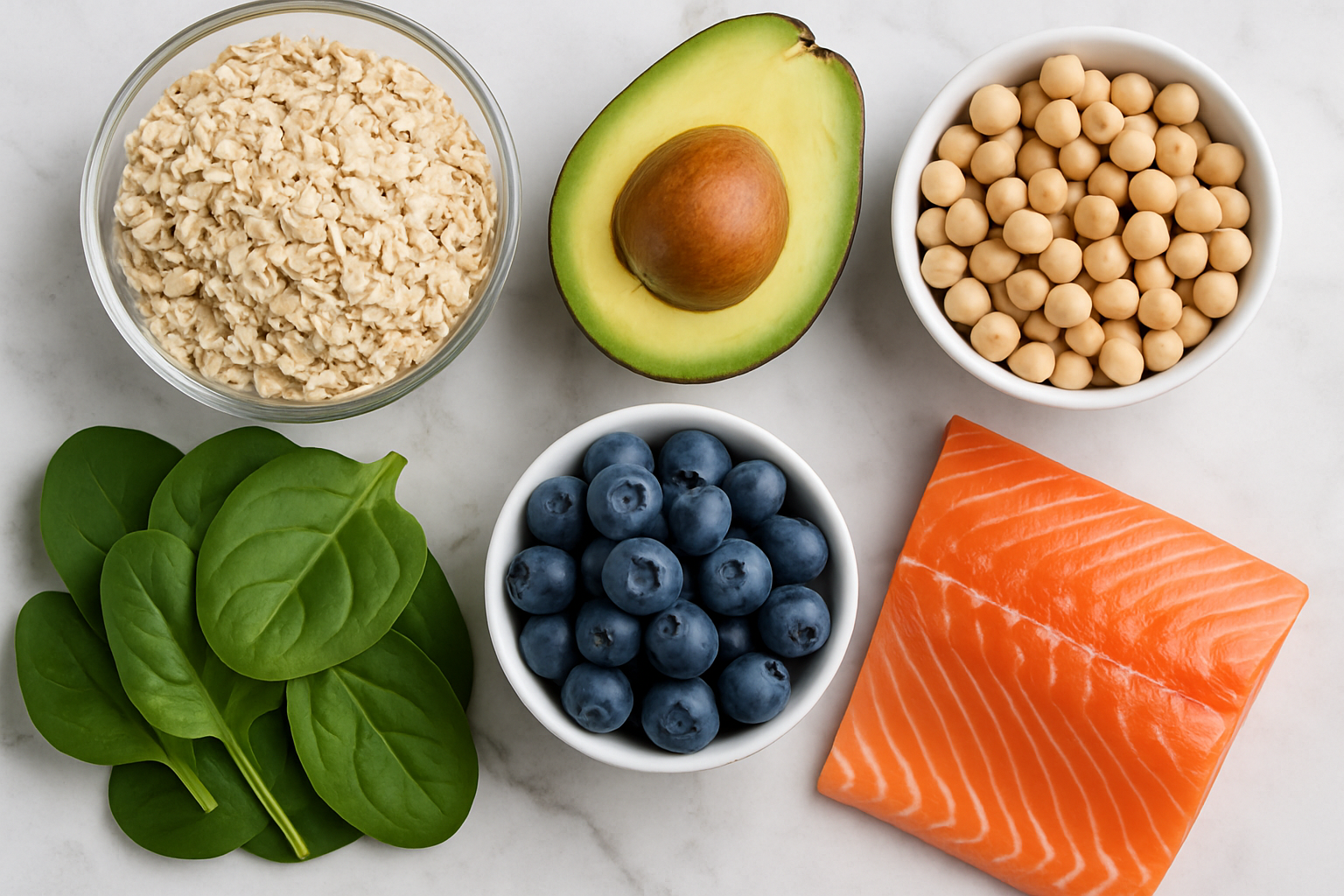
Leafy greens such as spinach, kale, and Swiss chard are rich in nutrients like calcium, magnesium, and vitamin K which can help reduce inflammation and improve insulin sensitivity. For example, a diet that includes spinach can be particularly beneficial, as it is low in calories but packed with essential antioxidants.
- High in fiber, aiding digestion and reducing insulin spikes.
- Rich in antioxidants that combat oxidative stress.
2. Avocados
Avocados are a superb source of healthy fats, particularly monounsaturated fats, which are known to improve heart health and help balance hormones. They are also loaded with potassium, a mineral that regulates blood pressure and reduces stress on the heart.
- Packed with fiber, helping control weight and improve metabolic health.
- Contain beta-sitosterol, shown to improve hormonal balance in women with PCOS.
3. Berries
Berries such as strawberries, blueberries, and raspberries are not only delicious but are also low in calories and high in antioxidants, particularly flavonoids and anti-inflammatory compounds. A 2026 study published in the Journal of Nutritional Biochemistry highlights their role in lowering insulin resistance, a common issue in PCOS.
- Low glycemic index, minimizing blood sugar spikes.
- Help combat oxidative stress and inflammation.
4. Fatty Fish
Fatty fish like salmon, mackerel, and sardines are abundant in omega-3 fatty acids. Omega-3s have been shown to improve insulin sensitivity, reduce inflammation, and even help regulate menstrual cycles. Recent studies in 2026 have reinforced the benefits of these essential fats in managing PCOS symptoms.
- Promote heart health and aid in reducing the risk of cardiovascular disease.
- Help balance hormones and improve mood.
5. Nuts and Seeds
Nuts and seeds, including almonds, walnuts, chia seeds, and flaxseeds, are rich in protein, healthy fats, and fiber. They provide a good source of essential nutrients like magnesium and zinc, which are vital for hormonal balance and weight management.
- Provide plant-based protein, easing inflammation and aiding metabolism.
- Contain lignans, which can help in managing estrogen levels.
Incorporating These Foods into Your Diet
Adding these nutrient-dense foods into your diet can be straightforward and enjoyable. Start by including a serving of leafy greens in your lunch and dinner. For breakfast or snacks, consider a smoothie with avocado and berries. When preparing meals, swap animal proteins for fatty fish a few times a week and snack on nuts and seeds as needed.
It's also crucial to focus on the quality of the whole diet. Limiting refined sugars, processed foods, and bad fats will enhance the benefits of a PCOS-friendly diet. Adopting these changes with guidance from a healthcare provider or a registered dietitian ensures a more tailored approach that accommodates individual needs and lifestyle preferences.
The Role of Lifestyle in Managing PCOS
Besides diet, regular exercise, stress management, and adequate sleep are essential components of managing PCOS. Engaging in activities like yoga, walking, or cycling can improve insulin sensitivity and support weight loss.
According to a 2026 report from the American Journal of Obstetrics and Gynecology, women with PCOS who combined a balanced diet with regular exercise saw significant improvements in their symptoms compared to those who did not make these lifestyle adjustments.
Conclusion
While PCOS can present numerous challenges, focusing on supportive dietary choices can make a significant impact on managing symptoms. Emphasizing the inclusion of foods like leafy greens, avocados, berries, fatty fish, and nuts and seeds may provide relief and improve overall health. Coupled with a healthy lifestyle, these measures can contribute to better hormonal balance and quality of life.
Always consult with a healthcare professional to tailor a diet and lifestyle plan that meets your unique needs, ensuring that changes are sustainable and effective.
For more detailed information, visit resources like the Evidence-Based Nutrition Network and the Endocrine Society.