5 Science-Backed Tips for Healthier Arteries
Taking care of your arteries is one of the most powerful steps you can take for your overall health, and thankfully, you have more control than you might think.
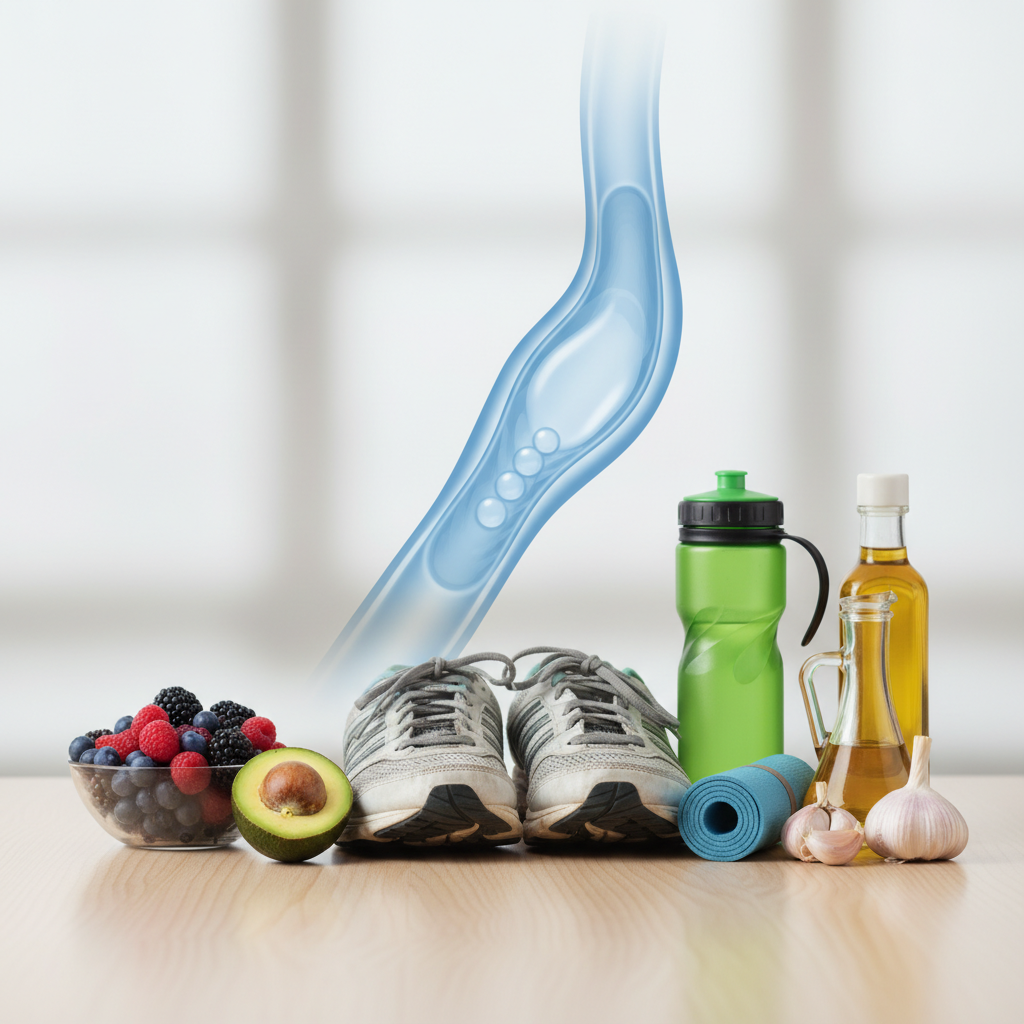
Adopt a Heart-Healthy Diet
One of the most impactful ways to improve arterial health is through your diet. The goal is to eat foods that reduce inflammation, lower bad cholesterol (LDL), and prevent plaque buildup. Focus on incorporating whole, unprocessed foods into your daily meals. This includes a colorful variety of fruits and vegetables, which are packed with antioxidants and vitamins that protect your arteries from damage. Think leafy greens like spinach and kale, bright berries, and citrus fruits.
Healthy fats are also crucial. Unlike saturated and trans fats found in processed snacks and red meat, unsaturated fats can actually improve your cholesterol profile. Excellent sources include avocados, nuts, seeds, and olive oil. Furthermore, increasing your intake of soluble fiber, found in oats, barley, apples, and beans, can help bind to cholesterol in your digestive system and remove it from your body before it gets into your arteries. Limiting sodium is equally important, as high salt intake contributes to high blood pressure, which puts a strain on your arterial walls.
Engage in Regular Physical Activity
Exercise is a powerhouse for arterial health. When you engage in regular physical activity, you strengthen your heart muscle, improve blood circulation, and help maintain a healthy weight. Aerobic exercise, such as brisk walking, jogging, swimming, or cycling, is particularly beneficial. It encourages your arteries to expand and contract, which helps them stay flexible and elastic. This elasticity is vital for accommodating blood flow and maintaining healthy blood pressure levels.
Aim for at least 150 minutes of moderate-intensity aerobic activity or 75 minutes of vigorous-intensity activity per week, as recommended by health authorities. You don't have to do it all at once; breaking it up into smaller, 30-minute sessions five days a week is just as effective. Strength training two or more days a week can also contribute by building muscle mass, which helps improve your metabolism and manage blood sugar levels, another key factor in arterial health.
Maintain a Healthy Weight
Carrying excess weight, especially around the abdomen, places a significant burden on your entire cardiovascular system. It is closely linked to conditions that directly harm your arteries, including high blood pressure, high cholesterol, and insulin resistance. When your body has to work harder to pump blood to more tissue, it can lead to elevated blood pressure, which can damage the delicate inner lining of your arteries over time.
Losing even a modest amount of weight—just 5 to 10 percent of your body weight—can produce substantial benefits for your arteries. This includes lower blood pressure, improved cholesterol levels, and better blood sugar control. Achieving and maintaining a healthy weight is best done through a combination of a balanced diet and regular physical activity, creating a sustainable lifestyle that supports your arteries for the long run.
Stop Smoking and Limit Alcohol
If you smoke, quitting is the single most important step you can take for your arterial health. The chemicals in tobacco smoke directly damage the endothelium, the smooth inner lining of your arteries. This damage makes the arterial walls sticky, allowing plaque—a substance made of cholesterol, fat, and other cells—to build up more easily. Smoking also constricts blood vessels, raises blood pressure, and reduces the amount of oxygen in your blood, forcing your heart to work harder.
Excessive alcohol consumption can also harm your arteries. It can lead to high blood pressure, an irregular heartbeat, and a weakened heart muscle. While some studies suggest that moderate consumption of red wine might have some benefits, it's generally agreed that if you don't drink, you shouldn't start for health reasons. If you do drink, limiting your intake to moderate levels (up to one drink per day for women and up to two for men) is key to avoiding negative cardiovascular effects.
Manage Stress Effectively
Chronic stress can take a silent but significant toll on your arteries. When you are constantly stressed, your body releases hormones like cortisol and adrenaline. These hormones can temporarily increase your heart rate and blood pressure. Over time, persistently high levels of these hormones can cause inflammation and damage to the arterial walls, creating an environment where plaque is more likely to form and accumulate.
Finding healthy ways to manage stress is vital for protecting your cardiovascular system. Practices like meditation, deep breathing exercises, yoga, and mindfulness can help lower your body's stress response. Spending time in nature, engaging in hobbies you enjoy, and maintaining strong social connections are also powerful stress relievers. By managing stress, you are not only improving your mental well-being but also actively protecting your arteries from long-term damage.
Prioritize Quality Sleep
Sleep is not a passive activity; it's a critical period when your body performs essential repair and maintenance, including for your cardiovascular system. During deep sleep, your blood pressure and heart rate naturally drop, giving your heart and arteries a much-needed rest. Chronic sleep deprivation, on the other hand, keeps your body in a state of heightened alert, leading to higher average blood pressure and an increase in inflammatory markers.
Most adults need 7 to 9 hours of quality sleep per night. If you consistently fall short of this, your risk for conditions that harm the arteries, such as obesity, high blood pressure, and diabetes, increases. To improve your sleep, establish a regular sleep schedule, create a relaxing bedtime routine, and make sure your bedroom is dark, quiet, and cool. Avoiding caffeine and screen time before bed can also promote better sleep quality and, in turn, better arterial health.