5 Symptoms of Colon Cancer You Should Never Ignore
Knowing what to look for is a powerful part of staying on top of your health. When it comes to colon cancer, the signs can often be subtle and easy to dismiss as something less serious.
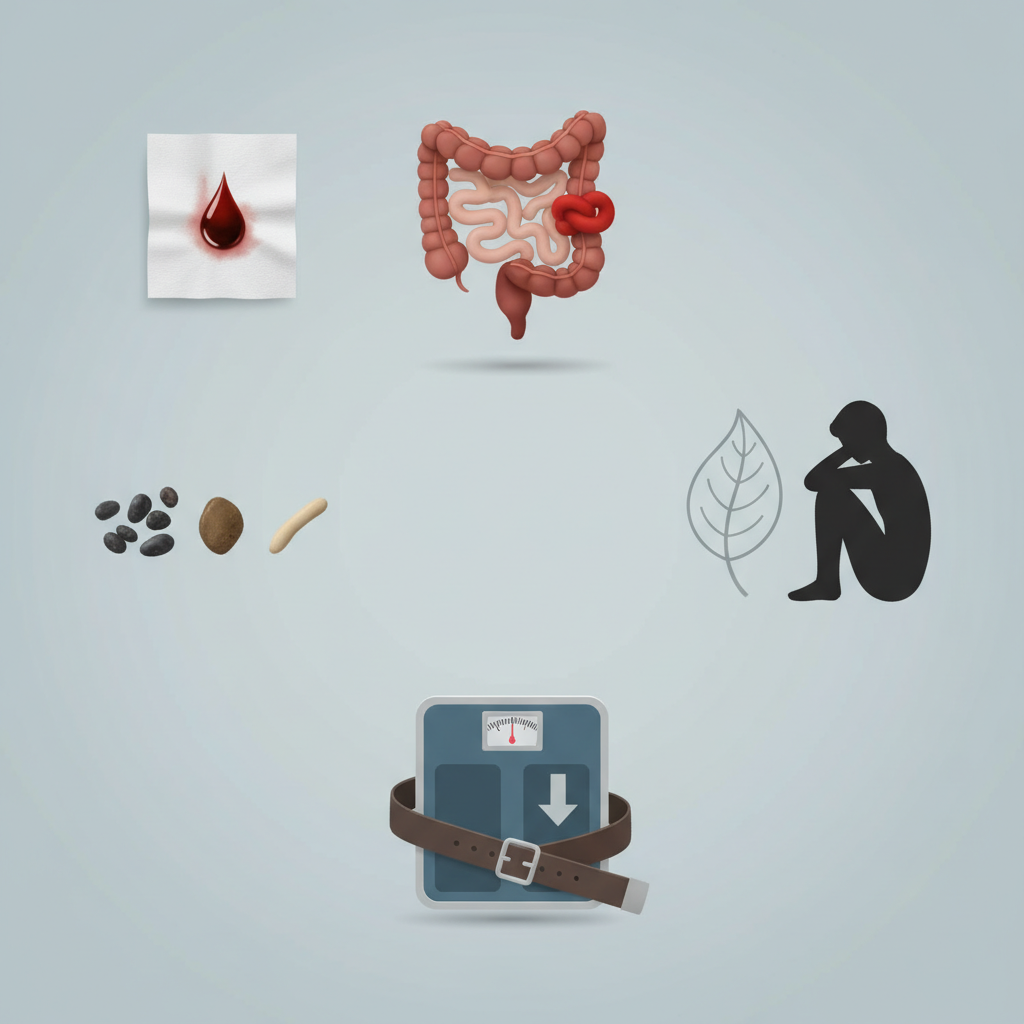
5 Key Symptoms of Colon Cancer to Be Aware Of
Recognizing the potential signs of colon cancer is crucial for early detection and timely consultation with a healthcare professional. While some of these symptoms can be caused by a variety of other, less serious conditions, a persistent pattern should never be ignored. Understanding what to look for can empower you to take charge of your health and seek medical advice when necessary. Below are five key symptoms associated with colon cancer that warrant attention.
1. A Persistent Change in Bowel Habits
One of the most common early warning signs of colon cancer is a noticeable and lasting change in your bowel habits. This isn't about a single day of unusual bowel movements but rather a persistent shift that lasts for more than a few days. This can manifest in several ways, including ongoing diarrhea, constipation, or a feeling that your bowel doesn't empty completely. You might also notice a change in the consistency or caliber of your stool, such as it becoming narrower than usual, often described as "pencil-thin."
These changes occur because a tumor, or polyp, growing within the colon or rectum can act as an obstruction. This physical blockage can interfere with the normal passage of stool, leading to constipation. In other cases, the growth can irritate the lining of the intestine, causing it to secrete more fluid, which results in diarrhea. The feeling of incomplete evacuation happens when the tumor makes you feel like you need to have a bowel movement even when your bowel is empty. If you experience any such changes that persist, it's a valid reason to consult a doctor.
2. Rectal Bleeding or Blood in the Stool
Finding blood in your stool or on the toilet paper after a bowel movement can be alarming, and it is always a symptom that should be evaluated by a medical professional. In the context of colon cancer, this bleeding is often caused by the tumor itself. As a cancerous growth develops, it can have fragile blood vessels that are easily damaged by the passage of stool, leading to bleeding. The color of the blood can provide clues about its origin within the digestive tract.
Bright red blood typically indicates bleeding in the lower part of the colon or the rectum. On the other hand, blood from higher up in the colon may make the stool look very dark brown or black and tarry. It's important to remember that other conditions, like hemorrhoids or anal fissures, can also cause rectal bleeding. However, because it is a hallmark symptom of colorectal cancer, you should never assume a less serious cause without a proper medical diagnosis.
3. Persistent Abdominal Discomfort
Ongoing abdominal discomfort, such as cramps, gas, or pain, that doesn't seem to go away can be another indicator of a potential issue within the colon. This is different from the occasional stomach ache that everyone experiences from time to time. This type of discomfort is persistent and may not have an obvious cause. It can feel like a dull, nagging ache or sharp, cramping pains. Some people also report feeling bloated or full, even if they haven't eaten much.
This pain often results from a tumor causing a partial or full blockage in the intestine. As the digestive system tries to push waste past the obstruction, it can lead to significant cramping and pressure. The location of the pain may vary depending on where the tumor is located within the colon. While many gastrointestinal issues can cause similar symptoms, persistent and unexplained abdominal discomfort that lasts for several weeks should prompt a visit to your doctor for an evaluation.
4. Unexplained Weight Loss
Losing weight without making any changes to your diet or exercise routine is a symptom that should always be taken seriously. While it can be a sign of many different health conditions, it is a known symptom of several types of cancer, including colon cancer. This isn't just dropping a few pounds; it's a significant and unintentional loss of weight over a period of weeks or months. For example, losing 10 pounds or more without trying is considered a red flag.
This weight loss can happen for a few reasons related to cancer. The cancer cells themselves consume a lot of the body's energy, which can lead to weight loss. The body's immune system also uses up significant energy fighting the cancer. Furthermore, a tumor in the colon can interfere with the body's ability to absorb nutrients from food, or it may cause a loss of appetite, leading you to eat less than you normally would without realizing it. Unexplained weight loss is a compelling reason to seek a medical check-up.
5. Weakness or Fatigue
Feeling unusually tired or weak all the time, to the point where it interferes with your daily activities, can be another subtle sign of colon cancer. This isn't just feeling sleepy after a long day; it's a profound and persistent lack of energy that rest doesn't seem to improve. Many people might dismiss this symptom, attributing it to stress, lack of sleep, or getting older. However, it can be directly related to the underlying disease process.
One of the primary causes of this fatigue is chronic blood loss from the tumor. As described earlier, a tumor in the colon can bleed slowly over a long period. This steady, often unnoticed loss of blood can lead to iron-deficiency anemia, which is a condition where you don't have enough healthy red blood cells to carry adequate oxygen to your body's tissues. Without enough oxygen, your body can't function efficiently, resulting in significant weakness and fatigue. If you're feeling constantly worn out without a clear reason, it’s worth discussing with a doctor.
Understanding Colon Cancer: A Closer Look
Colon cancer, also known as colorectal cancer, begins in the large intestine (colon), which is the final part of the digestive tract. It typically starts as a small, noncancerous clump of cells called a polyp. Over time, some of these polyps can develop into colon cancers. Because they often start small and may not cause any symptoms initially, regular screening is vital for detecting them before they become cancerous or finding cancer in its earliest, most treatable stages.
The progression from a benign polyp to malignant cancer can take several years, offering a crucial window for detection and intervention. When cancer does form, it can grow into the wall of the colon or rectum. The wall is made up of several layers, and the extent to which the cancer has penetrated these layers helps determine the stage of the disease. In more advanced stages, cancer cells can spread from the colon to other parts of the body, such as the liver and lungs, through the bloodstream or lymph system. This is why recognizing early symptoms and undergoing recommended screenings are so profoundly important—they offer the best chance to address the disease before it spreads.
Common Questions About Colon Cancer
What are the main risk factors for colon cancer?
While anyone can develop colon cancer, certain factors can increase your risk. Some of these are beyond your control. For instance, age is a significant risk factor, with most cases occurring in people over 50. A personal or family history of colorectal cancer or polyps also substantially increases your risk. Additionally, certain inherited genetic syndromes, like Lynch syndrome and familial adenomatous polyposis (FAP), carry a very high lifetime risk of developing the disease. Having inflammatory bowel diseases such as Crohn's disease or ulcerative colitis for many years can also elevate your risk.
However, many risk factors are related to lifestyle and can be modified. These include a diet low in fiber and high in red or processed meats, a lack of regular physical activity, and being overweight or obese. Heavy alcohol use and smoking are also strongly linked to an increased risk of colon cancer. Understanding these risk factors can help you and your doctor make informed decisions about screening schedules and lifestyle adjustments to promote better colon health.
How is colon cancer typically diagnosed and screened?
Screening is the key to preventing colon cancer or catching it early. The most well-known screening test is the colonoscopy. During this procedure, a doctor uses a long, flexible tube with a camera to examine the entire colon and rectum. Not only can a colonoscopy detect cancer, but it can also prevent it by allowing the doctor to remove precancerous polyps during the exam. While it is considered the gold standard, it is an invasive procedure that requires some preparation.
Fortunately, there are several other effective screening options available. These include less invasive stool-based tests that can be done at home. FIT (fecal immunochemical test) and high-sensitivity gFOBT (guaiac-based fecal occult blood test) check for hidden blood in the stool. Another option is a stool DNA test, which looks for both hidden blood and altered DNA from cancer cells or polyps. If any of these at-home tests come back with a positive result, a follow-up colonoscopy is necessary to investigate further. Your doctor can help you decide which screening test is right for you based on your age, risk factors, and personal preferences.
Can lifestyle changes lower my risk?
Yes, making certain lifestyle changes can play a significant role in reducing your risk of developing colon cancer. Diet is one of the most impactful areas. Experts recommend a diet rich in fruits, vegetables, and whole grains, which are high in fiber and nutrients. Limiting the consumption of red meats (like beef and pork) and processed meats (like hot dogs and bacon) has been shown to lower risk. Maintaining a healthy weight is also crucial, as obesity is a major risk factor.
Regular physical activity is another powerful tool for prevention. Aiming for at least 150 minutes of moderate-intensity exercise, such as brisk walking, per week can make a difference. It's also important to avoid smoking and to limit alcohol consumption. While these changes can't eliminate your risk entirely, they contribute significantly to your overall health and can lower your chances of developing not only colon cancer but also many other chronic diseases.
Conclusion
Awareness of the potential symptoms of colon cancer—such as changes in bowel habits, blood in the stool, persistent abdominal pain, unexplained weight loss, and constant fatigue—is a critical first step in early detection. While these signs can be caused by many other conditions, their persistence should prompt a conversation with a healthcare provider. Understanding the nature of the disease, knowing your personal risk factors, and adhering to recommended screening guidelines are the most effective strategies for protecting your health and ensuring that any issues are caught as early as possible.