5 Symptoms of Colon Cancer You Shouldn't Ignore
Understanding the signs of colon cancer is a crucial first step toward early detection. Since many of its symptoms can be subtle and easily mistaken for less serious issues, awareness is your most powerful tool.
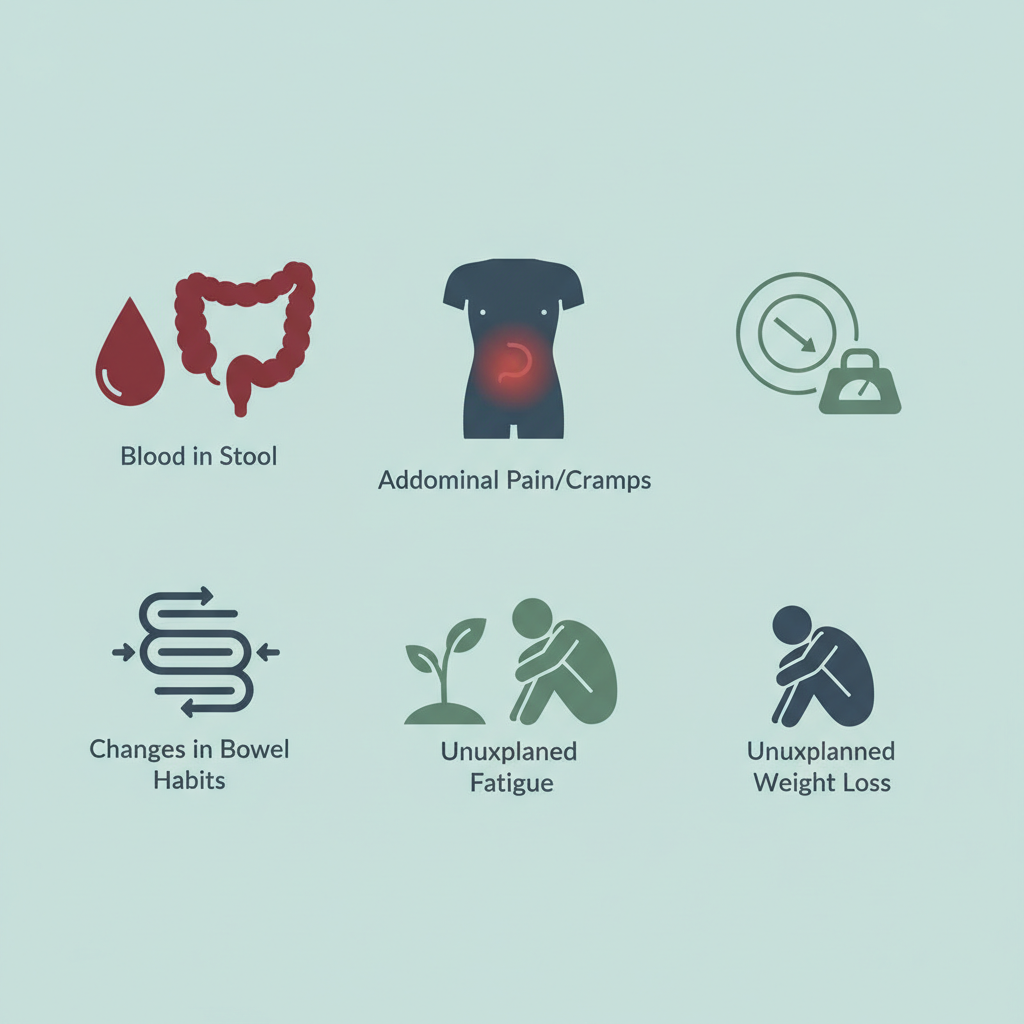
5 Key Symptoms of Colon Cancer You Shouldn't Ignore
Colon cancer, also known as colorectal cancer, is a type of cancer that begins in the large intestine (colon). It often develops slowly over many years, typically beginning as a small, noncancerous clump of cells called a polyp. Over time, some of these polyps can become cancerous. Early detection significantly improves the chances of successful treatment, which is why understanding the potential symptoms is so crucial. While many of these symptoms can be caused by other, less serious conditions, recognizing them is the first step toward seeking a proper diagnosis.
It's important to remember that in its early stages, colon cancer may not present any symptoms at all. This is why regular screenings, such as colonoscopies, are recommended, especially for individuals over the age of 45 or those with a higher risk. However, as a tumor grows, it can disrupt the normal functioning of the colon and lead to noticeable changes. Paying attention to your body and being aware of these potential warning signs can make a life-saving difference.
1. A Persistent Change in Your Bowel Habits
One of the most common early warning signs of colon cancer is a significant and persistent change in your bowel habits. This isn't about a single day of unusual bathroom trips but a consistent shift that lasts for more than a few days. This can manifest in several ways, including ongoing diarrhea, persistent constipation, or a feeling that your bowel doesn't empty completely. You might also notice a change in the consistency of your stool, such as it becoming narrower than usual, often described as "pencil-thin."
These changes occur because a tumor growing in the colon can obstruct the passage of stool, altering its shape and frequency. It can also irritate the lining of the intestine, leading to increased fluid secretion and diarrhea. While occasional changes in bowel habits are normal and often related to diet or stress, a change that is unexplained and lasts for several weeks should prompt a visit to a healthcare provider for evaluation. It’s the persistence of the symptom that is the key indicator something may be wrong.
2. Rectal Bleeding or Blood in Your Stool
Finding blood in your stool or on the toilet paper after a bowel movement can be alarming, and it is always a symptom that warrants medical attention. While it can be caused by common conditions like hemorrhoids or anal fissures, it is also a hallmark symptom of colon cancer. The blood can appear in different ways depending on the location of the tumor. Bright red blood often indicates bleeding in the lower part of the colon or rectum.
If the bleeding occurs higher up in the colon, the blood may be darker, appearing maroon or even black and tarry. Sometimes, the bleeding is not visible to the naked eye (occult blood) and can only be detected through a stool test. This slow, chronic bleeding can lead to another symptom: anemia. It is crucial never to assume that rectal bleeding is "just hemorrhoids," especially if it is accompanied by other symptoms like changes in bowel habits or abdominal pain. A doctor can perform the necessary tests to determine the exact cause of the bleeding.
3. Persistent Abdominal Discomfort
Ongoing discomfort in the abdomen, such as cramps, gas, or pain, that doesn't seem to go away can be another sign of colon cancer. This discomfort is often vague and can be easily dismissed as indigestion or other minor digestive issues. However, if a tumor is present, it can cause a partial blockage in the intestine, leading to cramping and a feeling of bloating. The pain may be constant or intermittent, and its location can vary.
This symptom is particularly concerning when it's new and doesn't have a clear cause. For example, if you suddenly start experiencing regular abdominal pain without changing your diet or lifestyle, it's a good idea to get it checked out. The feeling that your bowel doesn't empty completely, known as tenesmus, is also related to this discomfort. This sensation can be caused by a tumor in the rectum, making you feel the need to have a bowel movement even when you don't need to go.
4. Unexplained Weight Loss
Losing weight without trying can be a sign of several serious medical conditions, including colon cancer. If you notice a significant drop in your weight—for example, losing 10 pounds or more over a few months without changes in your diet or exercise routine—it should be considered a red flag. This type of weight loss can occur for a few reasons related to cancer.
First, cancer cells consume a lot of the body's energy supply, which can lead to weight loss. Second, a tumor in the colon can interfere with the digestive process, affecting your appetite or your body's ability to absorb nutrients from food. It might also cause nausea or abdominal pain that makes eating less appealing. Unexplained weight loss is often a sign that a disease has progressed, making it an especially important symptom to discuss with a doctor right away.
5. Weakness or Fatigue
Feeling unusually tired or weak all the time, even when you are getting enough rest, is a common but often overlooked symptom of colon cancer. This persistent fatigue is frequently linked to iron-deficiency anemia caused by chronic, slow bleeding from a tumor in the colon. As mentioned earlier, this bleeding might not be visible in the stool, but over time, the gradual loss of blood depletes the body's iron stores.
Iron is essential for making hemoglobin, the protein in red blood cells that carries oxygen to your body's tissues. Without enough iron, your body can't produce enough healthy red blood cells, leading to a shortage of oxygen throughout your body. This results in profound fatigue, weakness, shortness of breath, and pale skin. If you are experiencing exhaustion that isn't relieved by sleep, it could be a sign of an underlying medical issue like anemia, which in turn could be caused by colon cancer.
Understanding Colon Cancer: What It Is and Who Is at Risk
Colon cancer originates in the cells lining the large intestine. Most cases begin as small, benign growths called adenomatous polyps. While not all polyps become cancerous, some can undergo genetic changes over several years and transform into malignant tumors. If left untreated, these tumors can grow through the wall of the colon and spread to other parts of the body, a process known as metastasis.
Several factors can increase a person's risk of developing colon cancer. Age is one of the most significant risk factors, with the majority of cases occurring in people over 45. A personal or family history of colorectal cancer or polyps also substantially increases risk. Certain genetic syndromes, such as Lynch syndrome and familial adenomatous polyposis (FAP), carry a very high risk. Furthermore, lifestyle factors play a crucial role. A diet high in red and processed meats, a sedentary lifestyle, obesity, smoking, and heavy alcohol use are all linked to a higher incidence of colon cancer. Inflammatory bowel diseases like Crohn's disease and ulcerative colitis also increase a person's long-term risk.
Common Questions About Colon Cancer Symptoms and Diagnosis
When Should You See a Doctor About These Symptoms?
The guiding principle is persistence. A single day of diarrhea or a brief bout of constipation is usually not a cause for alarm. However, if any of the symptoms mentioned—such as a change in bowel habits, rectal bleeding, or abdominal pain—last for more than a couple of weeks, it's time to schedule an appointment with your doctor. It is especially important not to dismiss symptoms like blood in the stool. While it could be something minor, it's impossible to know without a professional medical evaluation.
Remember that these symptoms can be caused by a wide range of conditions, many of which are not cancer, including irritable bowel syndrome (IBS), infections, hemorrhoids, or inflammatory bowel disease. A doctor can help determine the underlying cause through a careful evaluation and appropriate testing. Early consultation leads to an accurate diagnosis and, if needed, earlier treatment, which is the key to better outcomes.
How Is Colon Cancer Diagnosed?
If you present with symptoms suggestive of colon cancer, your doctor will likely start with a physical exam and a discussion of your personal and family medical history. They may order blood tests to check for anemia, which can indicate internal bleeding. A fecal immunochemical test (FIT) or a stool DNA test can be used to detect hidden blood or abnormal DNA in the stool.
The gold standard for diagnosing colon cancer, however, is a colonoscopy. During this procedure, a doctor uses a long, thin, flexible tube with a camera on the end to view the entire length of your colon and rectum. A colonoscopy allows the doctor to not only see any abnormalities but also to take tissue samples (biopsies) of suspicious areas and remove most polyps during the same procedure. If cancer is confirmed, further imaging tests like CT scans may be done to see if the cancer has spread.
Can Colon Cancer Be Prevented?
While not all cases of colon cancer can be prevented, you can take significant steps to lower your risk. Regular screening is the most effective preventive tool. Screenings like colonoscopies can find and remove precancerous polyps before they have a chance to turn into cancer. For people at average risk, screenings are typically recommended to begin at age 45.
Lifestyle modifications are also powerful. Maintaining a healthy weight, engaging in regular physical activity, and eating a balanced diet rich in fruits, vegetables, and whole grains can reduce your risk. It's also advised to limit your intake of red and processed meats, avoid smoking, and moderate your alcohol consumption. These healthy habits not only lower your risk of colon cancer but also contribute to your overall well-being.
Conclusion
Awareness of the potential symptoms of colon cancer is a critical component of early detection. Persistent changes in bowel habits, blood in the stool, ongoing abdominal discomfort, unexplained weight loss, and chronic fatigue are all important signs that should not be ignored. While these symptoms can be caused by many other conditions, seeking a prompt medical evaluation is the only way to be sure. Understanding the risk factors and embracing preventive measures like regular screenings and a healthy lifestyle can further empower you to take control of your health and significantly reduce your risk of this disease.