5 Warning Signs of Colon Cancer You Shouldn't Ignore
When it comes to your health, knowing what to look for is a critical first step. The early signs of colon cancer can often be subtle and easily mistaken for less serious issues.
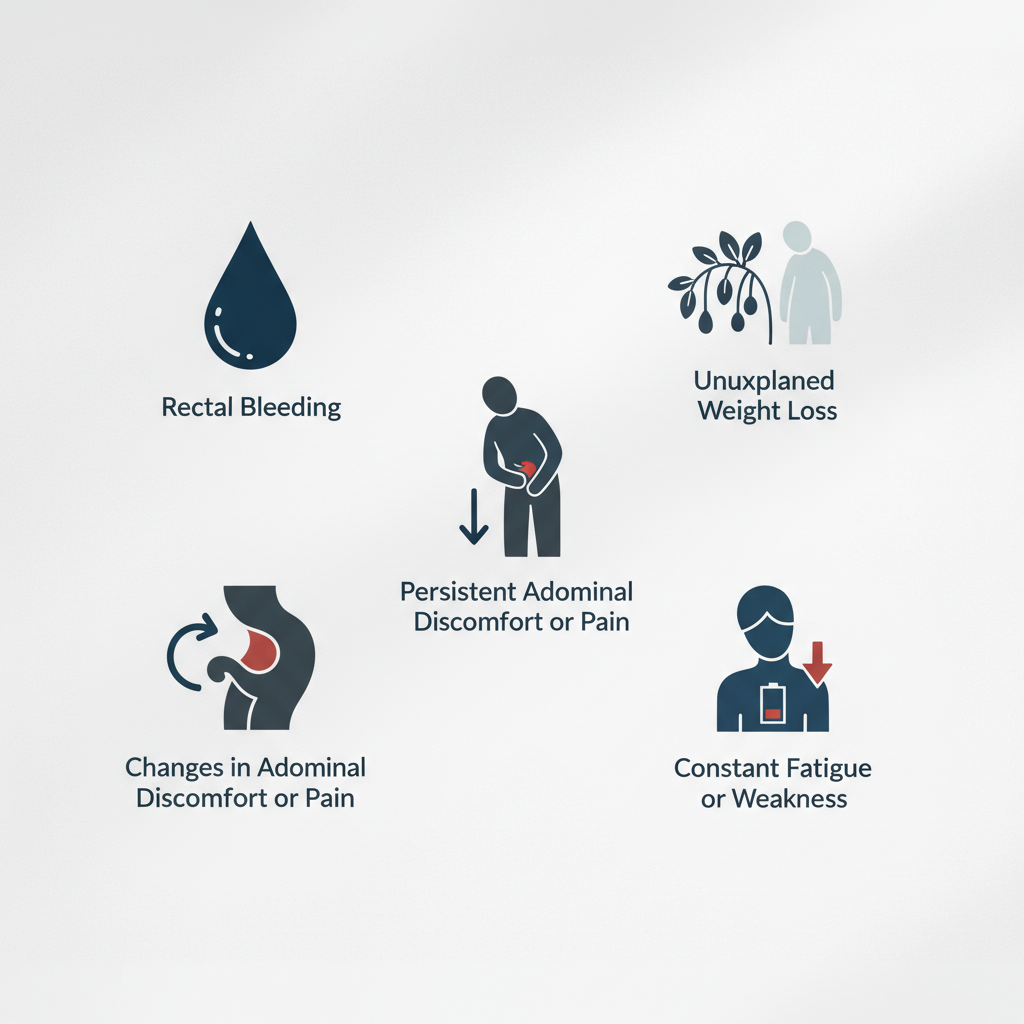
Recognizing the potential signs of colon cancer is a critical step toward early detection and understanding your health. While many of these symptoms can be caused by other, less serious conditions, being aware of them allows for more informed conversations with healthcare providers. The signs can be subtle and may develop slowly over time, making it easy to overlook them initially. However, paying attention to persistent changes in your body is key.
It's important to note that in its earliest stages, colon cancer may not produce any symptoms at all, which is why screening is so vital. When symptoms do appear, they often depend on the cancer's size and location within the large intestine. Below, we explore five common symptoms associated with colon cancer in detail to provide a clearer understanding of what to look for.
The 5 Key Symptoms to Be Aware Of
1. A Persistent Change in Bowel Habits
One of the most frequently reported symptoms of colon cancer is a noticeable and lasting change in bowel habits. This isn't about a single day of unusual digestion but rather a consistent shift that lasts for more than a few days. This can manifest in several ways, including persistent diarrhea, ongoing constipation, or a feeling that your bowel doesn't empty completely. Some people might experience a combination of these, alternating between bouts of diarrhea and constipation without any clear dietary cause.
This change occurs because a tumor or growth in the colon can act as an obstruction, altering how stool moves through the intestine. If the tumor is large enough, it can narrow the passageway, leading to thinner stools than what is normal for you. The body might also react to the presence of the growth by increasing fluid secretion, causing diarrhea. The key takeaway is the persistence of the change; it’s a new pattern that doesn’t resolve on its own and represents a departure from your normal digestive routine.
2. Rectal Bleeding or Blood in Your Stool
Finding blood in your stool or on the toilet paper after a bowel movement can be alarming, and it is a symptom that should always be evaluated by a medical professional. In the context of colon cancer, bleeding occurs when tumors, which are often fragile and have a rich blood supply, are scraped or irritated by passing stool. This can cause them to bleed into the digestive tract. The appearance of the blood can offer clues about its origin within the colon.
For instance, bright red blood often indicates bleeding in the lower part of the colon or the rectum. On the other hand, blood from higher up in the colon may have been in the digestive tract longer, causing it to appear dark brown or black, often described as having a "tarry" consistency. Sometimes, the bleeding is not visible to the naked eye (known as occult blood) and can only be detected through a specific stool test. This slow, chronic blood loss is a primary reason why another symptom, fatigue, can develop.
3. Persistent Abdominal Discomfort
Ongoing abdominal discomfort, such as cramps, gas, or pain, that doesn't seem to go away can be another indicator of colon cancer. This is different from the occasional stomach ache or indigestion that everyone experiences from time to time. This type of discomfort is often persistent and may not be relieved by typical remedies. The sensation can be a dull, generalized ache or more severe, localized cramping.
The pain or discomfort is often caused by a tumor partially or fully blocking the colon. This blockage can interfere with the normal passage of stool and gas, leading to a build-up that causes cramping, bloating, and a feeling of fullness. If a tumor grows large enough to create a significant obstruction, the pain can become more severe and constant. While many other conditions, like irritable bowel syndrome (IBS) or inflammatory bowel disease (IBD), can cause similar symptoms, persistent and unexplained abdominal issues warrant a closer look.
4. Unexplained Weight Loss
Losing weight without actively trying to is a symptom that is associated with several types of cancer, including colon cancer. This isn't about losing a few pounds after a change in diet or exercise; it refers to a significant and unintentional drop in body weight over a period of weeks or months. For example, losing 10 pounds or more without a clear reason is generally considered a red flag.
This weight loss can happen for a few reasons. The cancer cells themselves consume a significant amount of the body's energy, which can lead to weight loss. Furthermore, a tumor in the colon can interfere with the digestive process, affecting appetite and the body's ability to absorb nutrients from food properly. The persistent abdominal discomfort or feeling of fullness can also make a person feel less hungry, leading them to eat less than usual and contribute to the drop in weight.
5. Weakness or Fatigue
Feeling unusually tired or weak is a common yet often overlooked symptom of colon cancer. This isn't the kind of tiredness that a good night's sleep can fix; it's a profound sense of fatigue that can interfere with daily activities. This persistent lack of energy is frequently linked to the slow, chronic blood loss from the tumor into the stool, as mentioned earlier. Even if the blood isn't visible, this steady loss can lead to iron deficiency anemia.
Anemia occurs when you don't have enough healthy red blood cells to carry adequate oxygen to your body's tissues. Without sufficient oxygen, your body can't function optimally, resulting in feelings of weakness, shortness of breath, dizziness, and extreme fatigue. Because the blood loss can be gradual, the resulting anemia and fatigue can develop slowly over months, making it difficult to pinpoint a specific cause without medical testing.