5 Warning Signs of Colon Cancer You Shouldn't Ignore
Knowing the potential symptoms of colon cancer is a powerful first step in proactive health awareness. These signs can often be subtle or mistaken for less serious issues, making them easy to overlook.
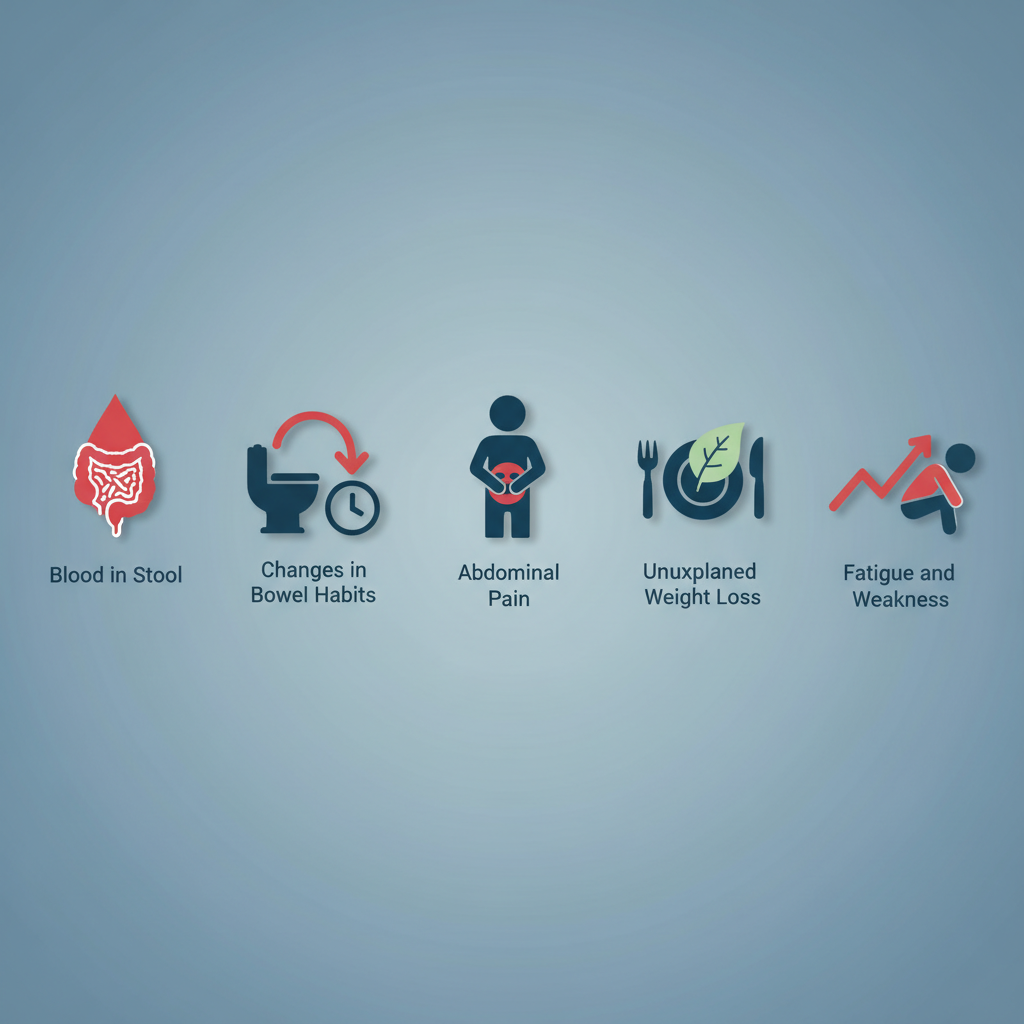
5 Key Symptoms of Colon Cancer You Shouldn't Ignore
Colon cancer, also known as colorectal cancer, is a type of cancer that begins in the large intestine (colon). It often develops slowly over many years, typically starting as a small, noncancerous clump of cells called a polyp. Over time, some of these polyps can become cancerous. Recognizing the signs early is crucial for successful treatment. While some people with colon cancer experience no symptoms in the early stages, others may notice changes that signal a problem. Below are five key symptoms that warrant a conversation with your healthcare provider.
1. A Persistent Change in Bowel Habits
One of the most common and noticeable symptoms of colon cancer is a significant and persistent change in your bowel habits. This isn't about a single day of unusual bowel movements but rather a consistent shift that lasts for more than a few days. This can manifest in several ways, including persistent diarrhea, chronic constipation, or a feeling that your bowel doesn't empty completely. You might also notice a change in the consistency or caliber of your stool, such as it becoming narrower than usual (often described as pencil-thin stools).
These changes occur because a tumor growing in the colon can obstruct the passage of stool, altering its shape and frequency. It can also irritate the lining of the intestine, leading to diarrhea or a constant urge to have a bowel movement. While many other less serious conditions, like Irritable Bowel Syndrome (IBS) or changes in diet, can cause similar symptoms, a change that is persistent and unexplained should never be ignored. It's the long-lasting nature of the change that is a key indicator to seek medical advice.
2. Rectal Bleeding or Blood in Your Stool
Finding blood in your stool or on the toilet paper after a bowel movement can be alarming, and it is a symptom that should always be evaluated by a doctor. In the context of colon cancer, this bleeding can be caused by a tumor in the colon or rectum. The tumor can bleed, and this blood mixes with the stool as it passes through the large intestine. The color of the blood can offer clues about its origin. Bright red blood often indicates bleeding in the lower colon or rectum, while darker, tarry-looking stools (a condition called melena) may suggest bleeding higher up in the colon or digestive tract.
It's important to remember that other conditions, such as hemorrhoids or anal fissures, are common causes of rectal bleeding. However, you should never assume a less serious cause without a proper medical diagnosis. Any instance of rectal bleeding, whether it's a small amount or more significant, warrants an immediate conversation with a healthcare professional to rule out more serious conditions like colon cancer. Dismissing it as "just hemorrhoids" without an examination can lead to a dangerous delay in diagnosis.
3. Persistent Abdominal Discomfort
Ongoing discomfort in your abdomen, such as cramps, gas, or pain, that doesn't seem to go away can be another warning sign of colon cancer. This discomfort is often vague and may not be severe, which can lead people to dismiss it as simple indigestion or a minor stomach issue. The pain or cramping can be caused by a tumor creating a partial or full blockage in the colon, which interferes with the normal movement of gas, liquid, and stool through the intestine. This blockage can lead to bloating and a feeling of fullness.
The location and nature of the discomfort can vary depending on where the tumor is located in the colon. Unlike typical stomach aches that resolve on their own, this type of abdominal distress is persistent and doesn't improve with over-the-counter remedies. If you are experiencing regular abdominal pain, bloating, or cramping that is new to you and lasts for more than a week or two, it is a clear signal that you should consult with your doctor to investigate the underlying cause.
4. Unexplained Weight Loss
Losing weight without trying—meaning you haven't changed your diet or exercise routine—is a significant symptom associated with many types of cancer, including colon cancer. This is often referred to as "unexplained" or "unintentional" weight loss. Cancer cells consume a lot of the body's energy supply, which can lead to weight loss. Additionally, a tumor in the colon can interfere with the body's ability to absorb nutrients from food, further contributing to a drop in weight.
Furthermore, the persistent abdominal discomfort, nausea, or feeling of fullness caused by the cancer can also lead to a loss of appetite, causing you to eat less than you normally would. If you notice a significant drop in your weight (for example, losing 10 pounds or more) over a period of a few months without a clear reason, it's a major red flag. This symptom, especially when it occurs alongside other signs like changes in bowel habits or fatigue, should prompt an urgent visit to your doctor.
5. Weakness or Fatigue
Feeling unusually tired or weak all the time, to the point where rest doesn't seem to help, is a common symptom of colon cancer. This profound fatigue is often caused by chronic, slow blood loss from the tumor. Even if you don't visibly see blood in your stool, a tumor can bleed slowly into the digestive tract over a long period. This gradual loss of blood can lead to iron-deficiency anemia, which is a condition where you don't have enough healthy red blood cells to carry adequate oxygen to your body's tissues.
When your body's cells and organs don't get enough oxygen, the result is persistent fatigue, weakness, shortness of breath, and sometimes pale skin. The cancer cells themselves also demand a significant amount of the body's energy, contributing to this feeling of being constantly drained. If you're experiencing a level of tiredness that is out of the ordinary for you and interferes with your daily life, it's an important symptom to discuss with a healthcare provider, as it could be an early sign of an underlying medical issue.
Understanding Colon Cancer and Its Risk Factors
Colon cancer begins when healthy cells in the lining of the colon develop errors in their DNA. These errors can cause cells to grow and divide uncontrollably, forming a tumor. In many cases, this process starts with the formation of polyps, which are small growths on the inner wall of the colon. While most polyps are benign (noncancerous), some types, known as adenomatous polyps, can transform into cancer over several years. This slow progression is why screening is so effective; it allows doctors to find and remove polyps before they have a chance to become malignant.
Several factors can increase a person's risk of developing colon cancer. Age is one of the most significant, with the majority of cases diagnosed in people over 50. A personal or family history of colorectal cancer or polyps also substantially elevates risk. Certain genetic syndromes, such as Lynch syndrome and familial adenomatous polyposis (FAP), carry a very high risk. Additionally, lifestyle factors play a crucial role. A diet low in fiber and high in red and processed meats, a sedentary lifestyle, obesity, smoking, and heavy alcohol use have all been linked to an increased risk of the disease. Understanding these risk factors can help individuals and their doctors make informed decisions about screening schedules and lifestyle modifications.
Common Questions About Colon Cancer Symptoms
When Should You See a Doctor About These Symptoms?
The simple answer is: as soon as possible. While the symptoms listed above can be caused by many other, less serious conditions, it's impossible to know the cause without a medical evaluation. The key is persistence. A single day of diarrhea or abdominal cramping is usually not a cause for concern. However, if any of these symptoms—such as a change in bowel habits, rectal bleeding, or abdominal pain—last for more than a couple of weeks, you should schedule an appointment with your doctor.
Early detection is the single most important factor in the successful treatment of colon cancer. When found in its early, localized stages, the five-year survival rate is over 90%. That rate drops significantly if the cancer has spread to distant parts of the body. Therefore, it's far better to see a doctor and find out that your symptoms are due to a minor issue like hemorrhoids or IBS than to wait and risk a delayed diagnosis. Be prepared to describe your symptoms in detail, including when they started, how often they occur, and anything that makes them better or worse.
What is a Colonoscopy and Why is it Important?
A colonoscopy is a medical procedure that is considered the gold standard for both screening for and diagnosing colon cancer. During the procedure, a doctor uses a colonoscope—a long, thin, flexible tube with a small camera and light on the end—to examine the entire length of the colon and rectum. The patient is typically sedated to ensure comfort. The camera transmits an image to a monitor, allowing the doctor to look for any abnormalities, such as polyps or tumors.
The importance of a colonoscopy is twofold. First, it is an excellent diagnostic tool. If you are experiencing symptoms, it allows a doctor to directly visualize the inside of your colon to identify the cause. Second, and perhaps more importantly, it is a preventative tool. If the doctor finds any precancerous polyps during the examination, they can usually be removed right then and there using small instruments passed through the colonoscope. Removing polyps before they have a chance to turn into cancer can prevent the disease from ever developing. This unique ability to both detect and prevent cancer makes the colonoscopy a critically important procedure in public health.
Can Colon Cancer Be Prevented?
While not all cases of colon cancer can be prevented, you can take significant steps to lower your risk. The most effective preventative measure is regular screening. Screening tests, like a colonoscopy, can find and remove precancerous polyps. Standard guidelines generally recommend that people at average risk begin screening at age 45. Those with a higher risk due to family history or other factors may need to start earlier and be screened more frequently.
Lifestyle modifications are also crucial for prevention. Adopting a healthy diet rich in fruits, vegetables, and whole grains while limiting red and processed meats can reduce your risk. Regular physical activity is also strongly linked to a lower incidence of colon cancer. Maintaining a healthy weight, avoiding smoking, and limiting alcohol consumption are other important preventative actions you can take. Combining a healthy lifestyle with adherence to recommended screening guidelines offers the best defense against developing the disease.
Conclusion
Awareness of the symptoms of colon cancer is a powerful tool for early detection. Persistent changes in bowel habits, rectal bleeding, ongoing abdominal discomfort, unexplained weight loss, and chronic fatigue are all important signals that should not be ignored. While these symptoms can have many causes, a timely consultation with a healthcare provider is essential to determine the underlying issue. By understanding the risk factors and embracing preventative measures like regular screening and a healthy lifestyle, individuals can take proactive steps to protect their long-term health.
For further information from authoritative sources, please visit: