Effective Tips for Seniors to Care for Their Aging Skin Naturally
Discover simple tips for seniors to care for aging skin effectively. Proper hydration, nutrition, and gentle skincare routines can support healthy aging skin without harsh treatments. Explore natural methods to maintain your skin's glow.
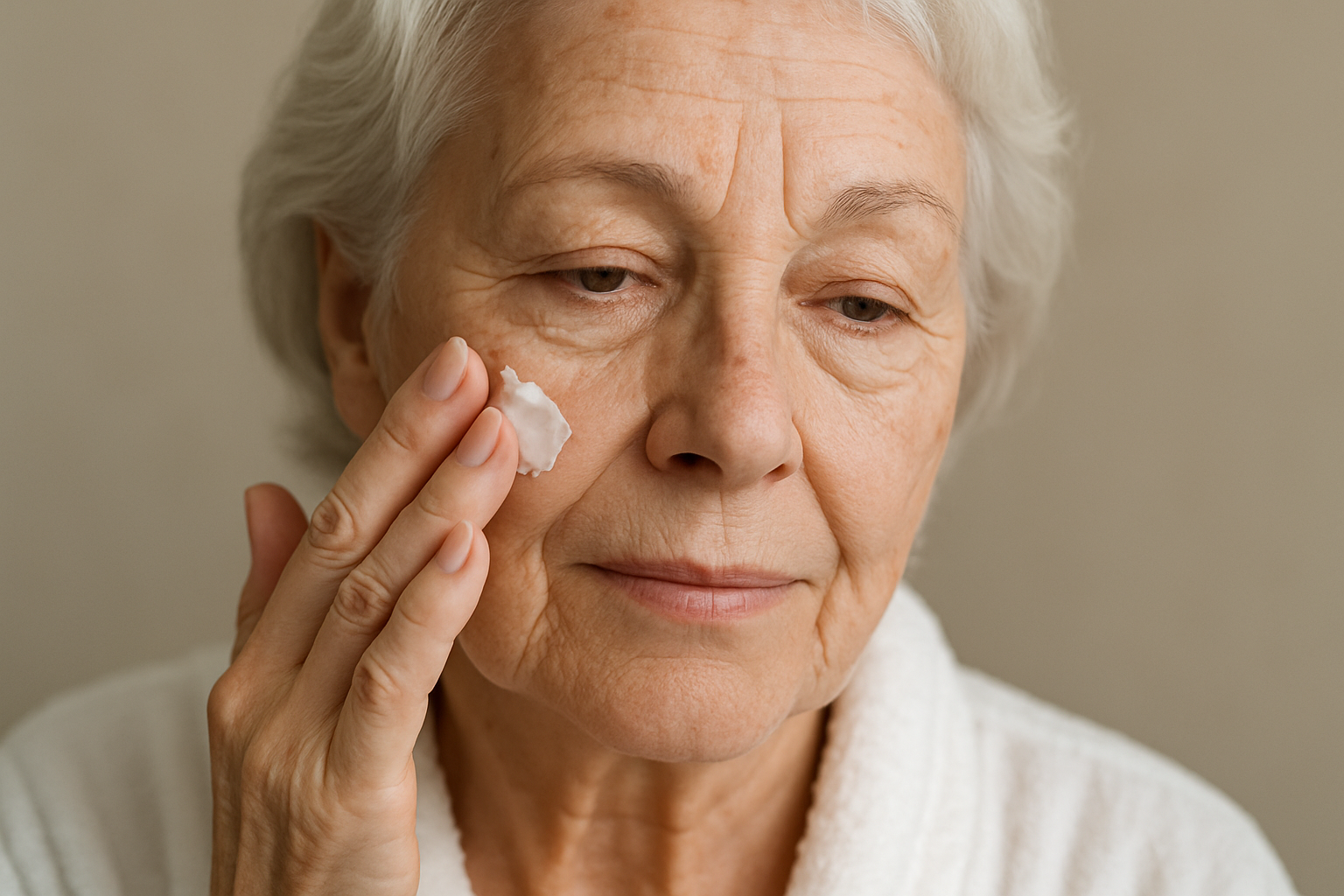
Understanding the Fundamentals of Healthy Aging Skin
Aging is a natural process that affects everyone, and as we age, our skin undergoes numerous changes. Maintaining healthy aging skin is crucial not only for aesthetic purposes but also for overall skin health. As we grow older, our skin becomes thinner, loses fat, and no longer looks as plump and smooth as it once did. While these changes are inevitable, there are several strategies seniors can adopt to support skin health as they age.
The Importance of Skincare in Aging
The skin is the largest organ of the body, and it serves as the first line of defense against environmental factors like pollution and UV radiation. With age, the skin's ability to repair itself diminishes. Therefore, maintaining an effective skincare regimen becomes increasingly important.
- Loss of collagen and elastin diminishes skin elasticity and firmness.
- Reduced natural oil production can lead to dry, flaky skin.
- Decreased cell renewal rates make skin appear dull and uneven.
Key Tips for Maintaining Healthy Skin as You Age
1. Prioritize Sun Protection
One of the most impactful ways seniors can protect their skin health is through effective sun protection. Ultraviolet (UV) radiation accelerates skin aging and increases the risk of skin cancer.
- Wear broad-spectrum sunscreen with an SPF of at least 30 daily, even on cloudy days.
- Use hats, sunglasses, and protective clothing to cover exposed skin.
- Avoid peak sun hours, usually between 10 a.m. and 4 p.m.
According to the Skin Cancer Foundation, consistent use of sunscreen can reduce the risk of skin cancer and dramatically slow the effects of aging skin (source).
2. Hydrate Inside and Out
Proper hydration is essential for maintaining healthy skin. As we age, the skin becomes less efficient at conserving moisture, necessitating both external and internal hydration techniques.
- Drink plenty of fluids daily, aiming for at least 8 glasses of water, unless otherwise directed by your physician.
- Use a humidifier at home to add moisture to the air, particularly in dry environments.
- Apply a hydrating moisturizer immediately after bathing to lock in moisture.
3. Adopt a Nutritious Diet
Diet plays a crucial role in skin health. A balanced diet rich in antioxidants, vitamins, and minerals supports skin renewal and reduces inflammation.
- Include a variety of fruits and vegetables, rich in vitamins A, C, and E.
- Incorporate fatty fish like salmon, which is rich in omega-3 fatty acids beneficial for skin health.
- Consume nuts and seeds, which provide necessary fats and nutrients.
A 2026 study from the Journal of Dermatological Science indicates that diets rich in antioxidants significantly improve skin elasticity and moisture retention (source).
4. Regularly Visit a Dermatologist
Regular check-ups with a dermatologist can help prevent and treat skin disorders common among seniors. It's important for early detection of skin conditions and personalized skincare advice.
- Schedule annual skin examinations to check for early signs of skin cancer or other conditions.
- Discuss any changes in your skin, such as new moles or persistent dryness.
Adapting Your Skincare Routine
Gentle Cleansing and Moisturizing
Consider using a gentle, fragrance-free cleanser to avoid stripping the skin of its natural oils. Follow with a rich, non-comedogenic moisturizer that supports the skin's barrier function.
Incorporate Anti-Aging Products
Anti-aging products with ingredients like retinoids, hyaluronic acid, and peptides can improve skin texture and reduce visible signs of aging.
- Retinoids encourage cell turnover and can minimize fine lines and wrinkles.
- Hyaluronic acid hydrates and plumps the skin, reducing the appearance of fine lines.
- Peptides support collagen production, promoting firm and smooth skin.
Conclusion: Embrace Your Age Beautifully
While we cannot stop the natural process of aging, embracing a comprehensive approach to skincare can foster healthy skin regardless of age. By adopting a skincare routine that includes sun protection, hydration, nutritious eating, and regular dermatological care, seniors can maintain vibrant and resilient skin.
Ultimately, the goal is not just to address the aesthetic signs of aging, but to support the skin in functioning optimally, allowing everyone to age gracefully and confidently.