7 Essential Appliances to Unplug Before Bed for Peace of Mind
Discover why unplugging certain appliances before bedtime might be a smart move for your household. In the article 7 Appliances You Must Unplug Before Sleeping, we explore which common devices could surprisingly be drawing power overnight.
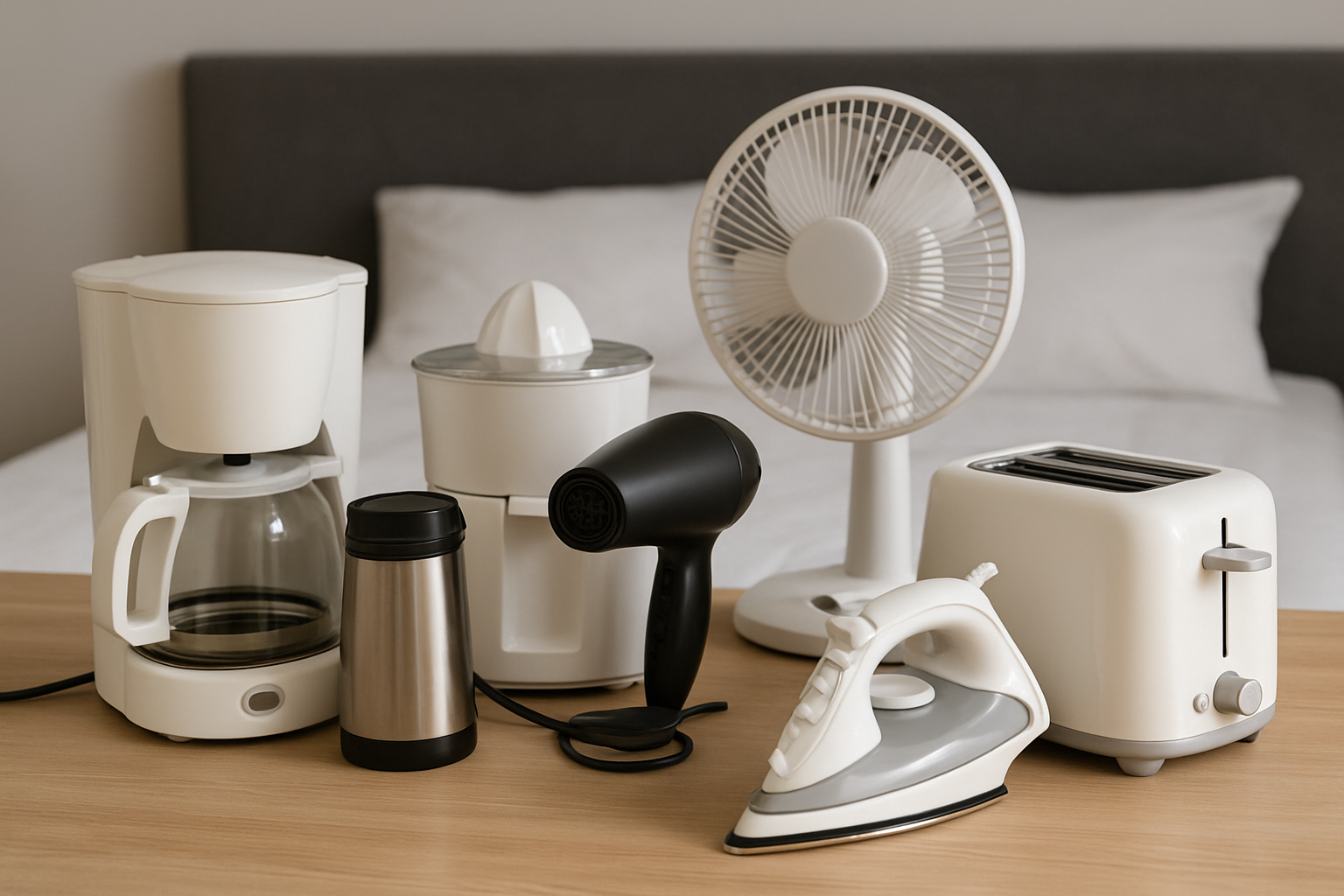
Why Should You Unplug Certain Appliances Before Sleeping?
In our modern world, appliances and electronic devices play a crucial role in our daily lives. However, leaving certain appliances plugged in overnight can lead to unnecessary energy consumption, safety risks, and increased electricity bills. Understanding which appliances to unplug can help mitigate these issues, providing peace of mind and a more sustainable lifestyle.
Energy Consumption and Costs
One of the primary reasons to unplug specific appliances is to curb energy wastage. According to the U.S. Department of Energy, appliances continue to consume "standby" power even when turned off but still plugged in. This standby power, often referred to as "phantom load," can account for up to 10% of a household's annual electricity use, which translates into unnecessary expenses on your monthly utility bill.
Safety Concerns
Leaving certain appliances plugged in can pose fire hazards, especially if the wiring is old or faulty. The National Fire Protection Association reports that electrical fires make up a significant percentage of home fires, with misuse of appliances being a common cause. Taking proactive steps by unplugging appliances at night can help prevent such potential hazards.
The 7 Appliances You Must Unplug Before Sleeping
Here, we outline the seven critical types of appliances that should be unplugged before hitting the sack:
- Laptop and Phone Chargers
- Leaving chargers plugged in without actively charging a device is a common practice that contributes substantially to energy wastage. Modern chargers are designed to consume minimal electricity when not in use, but if multiplied by several devices throughout the home, the cumulative impact can be significant. Unplugging these chargers not only saves energy but also prolongs the life of both the charger and device batteries.
- Television Sets
- Even when turned off, televisions can consume standby power. Newer smart TVs are especially notorious for this, as they maintain a constant connection to the Internet. Disconnecting your TV before bed conservatively reduces energy consumption and limits unnecessary electromagnetic exposure during sleep.
- Coffee Makers
- Automatic coffee makers often have clocks and timers that drain energy continuously. Unplugging them when not in use prevents them from drawing power overnight. Many modern models have a programmable feature that doesn't need to stay connected to operate, making this an easy change to adapt to.
- Microwave Ovens
- Microwaves also contain clocks and circuitry that require power even when not in active use. Unplugging saves that small trickle of electricity these components use, and with frequent use throughout the day, this simple act adds up to substantial savings.
- Portable Heaters
- An unplugged heater is generally safer than one left connected. While many portable heaters feature automatic shut-off mechanisms, there's still risk associated with them failing. Ensuring these appliances are unplugged not only saves energy but eliminates the possibility of accidental ignition.
- Gaming Consoles
- With the advent of gaming systems acting as multimedia hubs, many remain on standby mode to quickly update or sync with online services. This functionality inadvertently leads to higher energy draw. Unplugging consoles when not in use avoids unnecessary power consumption and reduces chances of system burnout.
- Standby Lighting and Decorative Lighting
- Night lights and decorative lights often go unnoticed when it comes to energy use. Although many use LEDs (which are energy-efficient), the sheer number of lighting fixtures can lead to a significant cumulative power drain. Unplugging these lighting systems overnight curbs this waste.
Smart Home Solutions: Making Unplugging Easier
For those striving to maintain energy efficiency without manually unplugging devices every night, integrating smart home features can be invaluable. Devices such as smart plugs and energy monitoring systems allow homeowners to remotely control appliance power settings. According to a 2026 International Energy Agency report, smart home technologies can contribute to a 20% reduction in electricity usage.
Conclusion: Actions for a Sustainable Future
Forming the habit of unplugging these appliances can culminate in reduced electricity bills, lower carbon footprints, and greater safety from potential electrical hazards. As we advance towards a more energy-conscious society, individuals are encouraged to make small changes that collectively make a big difference in promoting environmental sustainability.