7 Essential Roof Leak Warning Signs You Shouldn't Ignore
Is your home's roof at risk of leaking? Understanding roof leak warning signs can save you from unexpected repairs. Discover the common indicators of potential leaks, how to detect them early, and what steps to take if you notice trouble.
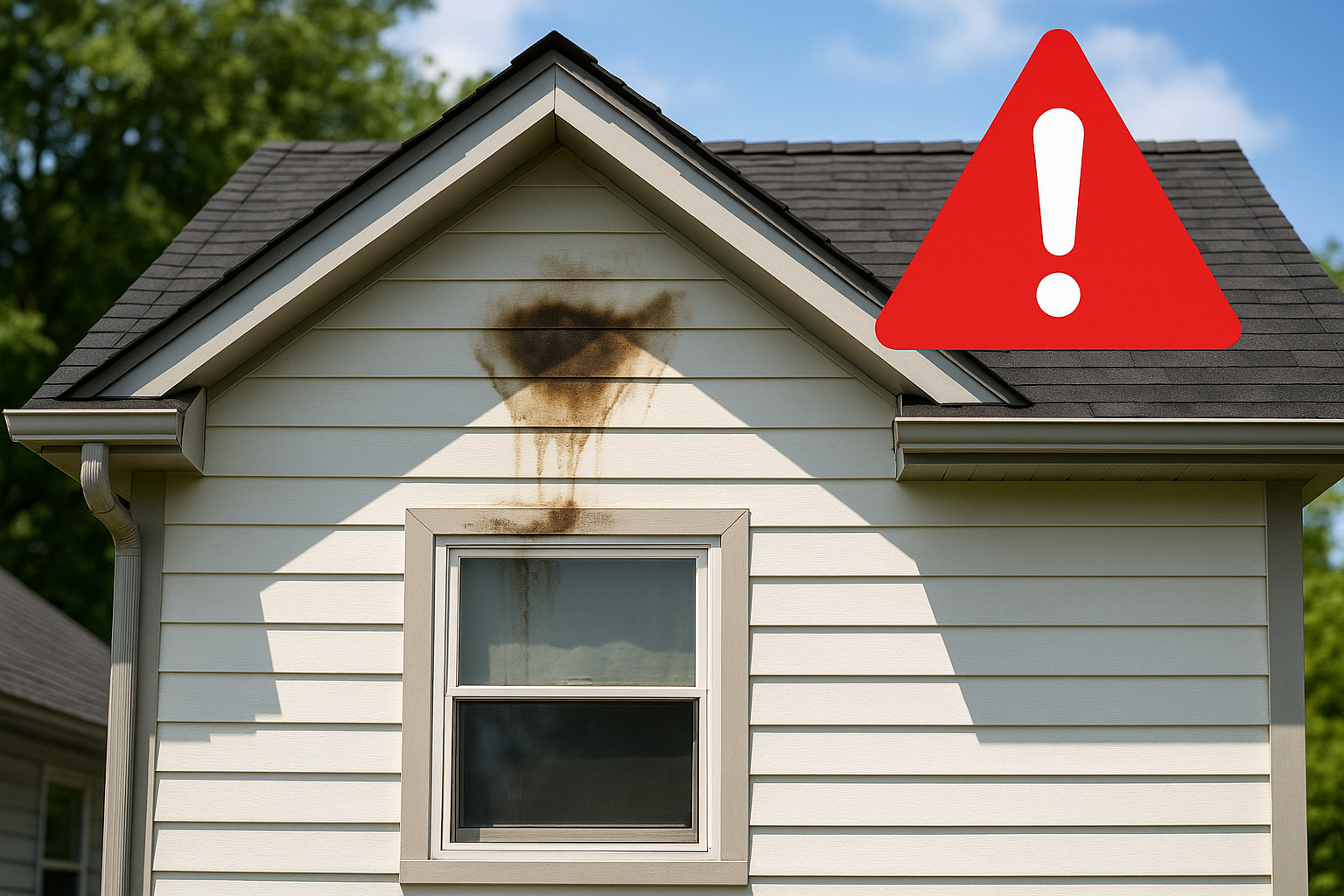
Understanding Roof Leaks and Their Warning Signs
A roof leak can be a homeowner's nightmare, leading to costly repairs and potentially significant structural damage if not addressed promptly. The first step in preventing these issues is understanding what causes roof leaks and being able to recognize the early warning signs. In this article, we'll explore essential information about roof leaks, common indicators, preventative measures, and what to do if you suspect your roof is compromised.
What Causes Roof Leaks?
Roof leaks can result from various factors, each with its own set of typical manifestations. Understanding these causes is crucial for early detection and prevention:
- Weather Damage: Harsh weather conditions, such as heavy rain, windstorms, or hail, can damage roofing materials, leading to leaks.
- Age of Roof: Over time, roofing materials wear down and lose their integrity, increasing the likelihood of leaks.
- Poor Installation: If a roof is not installed correctly, its vulnerability to leaks is significantly higher from the start.
- Lack of Maintenance: Neglecting regular maintenance can exacerbate minor issues, leading to significant water ingress over time.
Key Warning Signs of a Roof Leak
Identifying the warning signs of a potential roof leak can save you from extensive damage and repair costs. Here are some common indicators:
- Water Stains on Ceilings and Walls: These stains often appear as brown or yellow discoloration, indicating moisture infiltration.
- Mold or Mildew Growth: Excess moisture facilitates the growth of mold and mildew, which can pose health risks and signify underlying leak issues.
- Missing or Damaged Shingles: Visibly missing, cracked, or curling shingles can expose your roof to the elements and lead to leaks.
- Water Dripping or Pooling in the Attic: Inspect your attic for visible water collecting or signs of dripping, especially after heavy rainfall.
- Sunlight Passing Through Roof Boards: If daylight is visible from your attic through the roof boards, it’s a clear sign that the roof integrity is compromised.
Preventative Measures to Avoid Roof Leaks
Prevention is key when it comes to roof maintenance. Taking proactive steps can not only extend the life of your roof but also save money in the long run:
- Regular Inspections: Schedule professional roof inspections at least twice a year and after significant weather events to catch early signs of damage.
- Maintain Gutters and Downspouts: Clean and repair gutters and downspouts regularly to prevent water backflow and accumulation on the roof.
- Trim Overhanging Trees: Branches that hang over your roof can cause damage during storms and drop debris that clogs drainage systems.
- Address Repairs Promptly: Fix any detected issues, such as cracked shingles or damaged flashing, immediately to prevent escalation.
What to Do If You Suspect a Roof Leak
Acting swiftly when you suspect a roof leak can help minimize damage. Here’s a plan of action:
- Immediate Steps: Place buckets under active drips to minimize water damage to your home's interior. If feasible, use a dehumidifier to reduce moisture.
- Contact a Professional: Reach out to a certified roofing contractor to conduct an assessment and necessary repairs. Ensure they are licensed and insured for credibility.
- Document Damage: Take photographs of any visible damage for insurance purposes and repair estimates.
Recent Trends and Developments
Advancements in roofing materials and technology continue to improve the durability and longevity of roofs. According to industry experts, 2026 has seen a significant uptick in homeowners opting for weather-resistant roofing materials that offer better protection against intense climate conditions (Construction Industry Trends 2026). Furthermore, digital tools like drone inspections are becoming increasingly popular for their ability to safely and efficiently assess roof conditions (Roof Inspection Technology).
Conclusion
Understanding the warning signs and taking preventative measures can greatly reduce the risk of roof leaks in your home. By staying vigilant and informed, homeowners can protect their investment and ensure their safety and comfort. If a leak is suspected, don't delay in consulting with professionals to address the issue effectively. By keeping your roof in check, you're securing the first line of defense against nature's elements.
Remember, a healthy roof means a safe home, so invest the time now to prevent future headaches.