7 Unique Features of the Apple Card That Set It Apart from Traditional Credit Cards
Discover how the Apple Card sets itself apart from regular credit cards with unique features and advanced technology. Explore how Apple's minimalist design, integration with Apple Pay, and commitment to privacy make transactions seamless and secure.
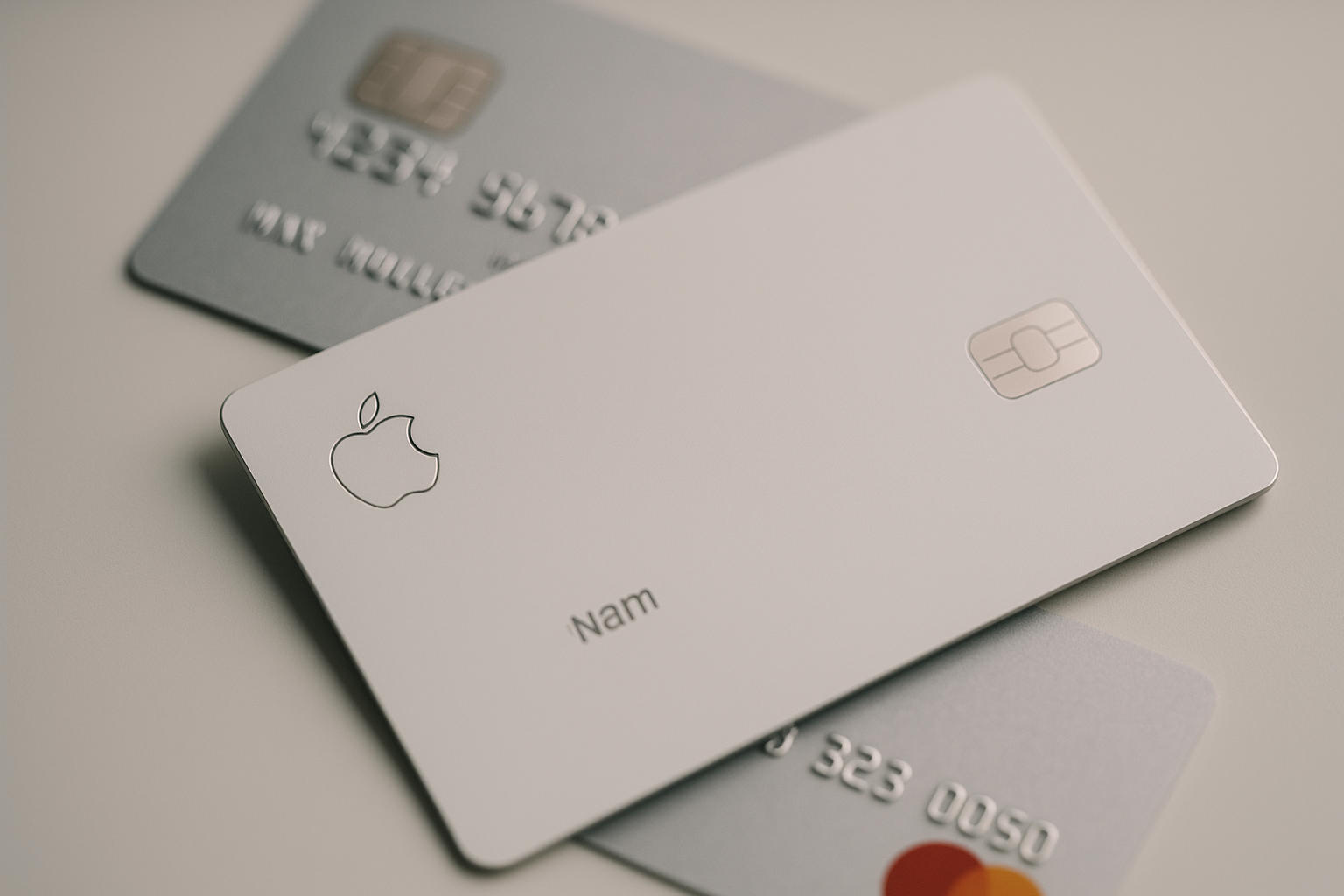
Understanding the Apple Card: A New Kind of Credit Experience
In a world dominated by traditional credit cards, the Apple Card emerges with a promise to revolutionize how we think about credit. But what makes the Apple Card different from regular credit cards? This question has intrigued many, especially those interested in integrating more tech-centric solutions into their personal finance strategies.
The Basics of the Apple Card
Launched by Apple Inc., the Apple Card is a credit card designed to mesh seamlessly with the Apple ecosystem. Backed by Goldman Sachs, it offers features tailored for iPhone users, utilizing Apple's hardware capabilities to enhance user experience and security. Key differentiators include its unique integration with Apple Wallet, emphasis on privacy, and a cashback rewards program focused on simplicity.
Innovative Features of the Apple Card
The Apple Card introduces several features that set it apart from conventional credit cards:
- Seamless Integration with Apple Devices: Users can apply for the Apple Card directly from their iPhones. Once approved, the card appears in the Apple Wallet, instantly ready for use with Apple Pay, making it unnecessary to wait for a physical card to arrive.
- Fee-Free Structure: One of the most appealing features is its "no fees" promise. This means no late fees, no international transaction fees, and no annual fees, which is a significant departure from the fee-heavy environment typical of traditional cards.
- Daily Cash Back Rewards: Unlike standard credit cards that offer monthly rewards, the Apple Card provides daily cash back on purchases. It offers 1% back on general purchases, 2% back on Apple Pay purchases, and 3% on purchases directly from Apple and select partners.
- Advanced Security Features: The card number is stored on the user's device, and transactions require Face ID, Touch ID, or a passcode for verification. This setup ensures transaction security even if the physical card is compromised.
- Financial Health Tools: The card provides easy-to-read spending summaries within the Wallet app that categorize purchases, making budget management easier and more intuitive.
Comparative Analysis: Apple Card vs. Traditional Credit Cards
To truly appreciate what makes the Apple Card distinct, it's helpful to compare it to traditional credit cards:
- Application Process: While most credit cards require a drawn-out application process and a waiting period for approval, the Apple Card provides instant approval for most applicants, simplifying the onboarding experience.
- User Experience: Regular credit cards typically rely on web interfaces and third-party apps for account management. With the Apple Card, users manage everything through the iPhone’s Wallet app, ensuring a seamless, streamlined experience.
- Privacy Concerns: Traditional credit cards may involve sharing information with merchants, which raises privacy issues. Apple emphasizes privacy; your transaction history is stored on your device, and Apple does not use your payments for marketing or advertising purposes.
Real-World Impact and User Feedback
Since its introduction, the Apple Card has gathered mixed reviews, which is typical for a pioneering product that challenges norms:
- Positive Feedback: Users appreciate the absence of fees and the simplicity of tracking spending. The daily cash back feature has been particularly well-received, as it provides immediate rewards that can be used for Apple's products or as statement credits.
- Challenges: Some consumers have noted limitations, such as the initial lack of widespread acceptance compared to Visa or Mastercard. However, the integration with Apple Pay and iPhones, which alone have seen a significant market penetration rate of over 85% among U.S. teens in 2026, mitigates this issue over time.
Conclusion: Is the Apple Card Right for You?
The decision to use the Apple Card depends on one's lifestyle and preferences. It suits users embedded in the Apple ecosystem who value technology integration, ease of use, and privacy. As of 2026, the financial service industry has been gradually shifting towards integration with smartphones, and the Apple Card is at the forefront of this movement. According to a 2026 report by Deloitte, there is increased consumer trust and reliance on tech companies for financial solutions, aligning with the rise in Apple Card use.
For those interested in real-time financial insights and tech-forward solutions, the Apple Card is a compelling option. However, for users who prioritize travel perks or need extensive international acceptance, traditional cards from competitors like Visa or Mastercard might still hold an edge.
Regardless of your choice, the Apple Card's introduction signals an innovative future for digital financial products, reshaping our expectations of what credit cards can offer.
For further insights, consider visiting [Business Insider's review](https://www.businessinsider.com) and [Deloitte's 2026 financial technology report](https://www.deloitte.com).