9 Proven Strategies for Keeping Your Mind Sharp and Healthy
If the term “brain rot” resonates with you after a bit too much endless scrolling, you're in the right place to reverse the effects. Protecting your focus isn't about quitting technology, but about using it smarter and re-engaging with the world around you.
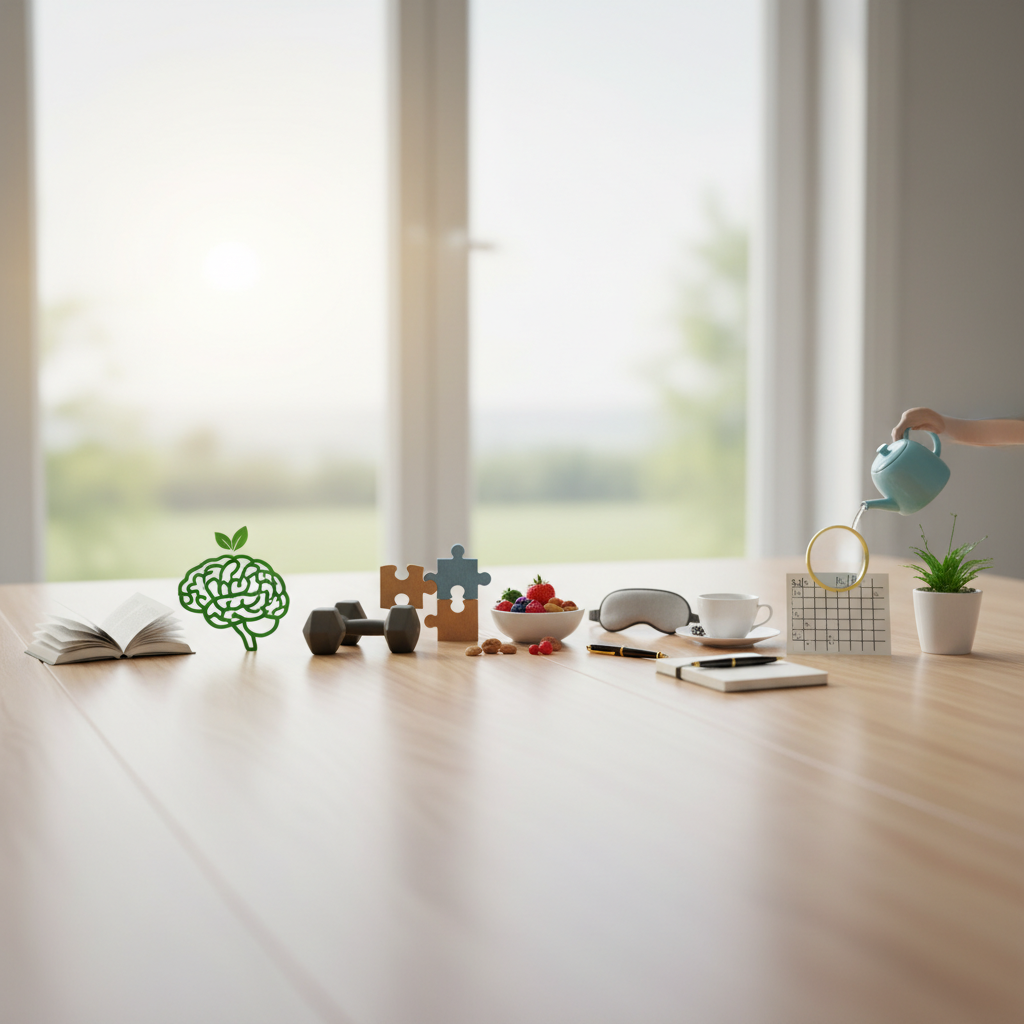
Key Strategies to Combat Brain Rot
In our hyper-connected world, the term "brain rot" has emerged to describe the feeling of mental fatigue and a shortened attention span caused by overconsuming low-quality digital content. While not a medical diagnosis, it resonates with many who feel their cognitive sharpness dulling. Protecting your mind involves building intentional habits that prioritize depth over distraction. Here are several effective methods to safeguard your mental clarity.
1. Diversify Your Content Diet
Just as a balanced diet is crucial for physical health, a varied content diet is essential for mental fitness. The primary culprit of brain rot is the endless stream of short-form, low-effort content, such as memes, 15-second videos, and sensationalist headlines. These formats are designed to deliver a quick dopamine hit without requiring any real cognitive engagement. To counteract this, make a conscious effort to consume a wider range of media that challenges your brain.
Actively seek out long-form articles from reputable sources, watch feature-length documentaries on complex subjects, or listen to podcasts that dive deep into history, science, or philosophy. Reading physical books is one of the most powerful ways to do this, as it forces your brain to maintain focus for extended periods, build mental imagery, and follow intricate narratives or arguments. This shift from passive, bite-sized consumption to active, deep engagement helps rebuild your attention span and critical thinking skills.
2. Practice Mindful Media Consumption
Mindless scrolling is the default state for many, but you can reclaim control by practicing mindfulness. This means being intentional and aware of what you are consuming and why. Before you open a social media app or click on a trending video, take a moment to ask yourself, "What is my goal here? Am I looking for specific information, connecting with a friend, or am I just trying to escape boredom?" This simple pause can break the compulsive cycle.
To further support this, you can implement practical changes to your digital environment. Turn off autoplay features on video platforms and disable push notifications for non-essential apps. Set specific time limits for social media use with built-in phone features or third-party apps. By creating friction and removing the triggers that lead to mindless consumption, you force yourself to make a conscious choice about how you spend your digital time, turning it from a passive habit into an active decision.
3. Engage in Active, Not Passive, Hobbies
A powerful antidote to brain rot is replacing passive consumption with active creation and engagement. Passive activities, like scrolling through a feed or binge-watching a show, require very little from your brain. Active hobbies, on the other hand, demand focus, problem-solving, and skill development, which builds and strengthens neural pathways.
Consider picking up a hobby that involves working with your hands, such as gardening, painting, woodworking, or learning a musical instrument. These activities engage multiple senses and areas of the brain. Alternatively, challenge yourself with mentally stimulating pastimes like learning to code, practicing a new language with a language app, playing strategy games like chess, or even working on a complex puzzle. The key is to choose something that requires your full attention and provides a sense of accomplishment.
4. Prioritize Real-World Social Interaction
While online communities can provide a sense of connection, they are not a substitute for face-to-face interaction. Digital communication often lacks the nuance of non-verbal cues like body language, tone of voice, and eye contact, which our brains are wired to process. Over-reliance on text-based or virtual interactions can weaken our social skills and lead to feelings of isolation, even when we are technically "connected."
Make a deliberate effort to schedule regular in-person activities with friends, family, or community groups. Join a local sports team, a book club, or a volunteer organization. Even simple actions, like having a coffee with a colleague instead of sending an email, can make a significant difference. These real-world interactions are cognitively demanding in a healthy way, forcing you to listen, empathize, and respond in real-time, thereby sharpening your social and emotional intelligence.
5. Schedule Regular 'Digital Detox' Periods
Giving your brain a complete break from digital stimulation is crucial for recovery and reset. A digital detox involves intentionally stepping away from all screens—phones, tablets, computers, and televisions—for a set period. This doesn't have to be a week-long retreat in the woods; you can start small and build from there. The goal is to create space for your mind to wander, rest, and engage with the world around you without a digital filter.
Try implementing simple rules, such as "no phones at the dinner table" or designating the hour before bed as a screen-free wind-down period. You could also try a "digital Sabbath," where you disconnect for 24 hours every weekend. Use this time to read, go for a walk in nature, work on a hobby, or simply be present with your thoughts. These breaks can reduce anxiety, improve sleep quality, and help you re-evaluate your relationship with technology.
6. Incorporate Physical Activity into Your Routine
The connection between physical and mental health is undeniable. Regular exercise is one of the most effective ways to protect your brain and improve cognitive function. Physical activity increases blood flow to the brain, which delivers vital oxygen and nutrients. It also stimulates the release of brain-derived neurotrophic factor (BDNF), a protein that supports the growth of new neurons and the survival of existing ones.
You don't need to become a marathon runner to reap the benefits. Aim for at least 30 minutes of moderate-intensity exercise most days of the week. This could include brisk walking, cycling, swimming, or dancing. Exercise is also a powerful stress reducer and mood booster, which can make you less likely to turn to mindless scrolling as a coping mechanism for negative feelings.