A Beginner's Guide to Purchasing Government Seized Vehicles Without the Hassle
Discover the intriguing world of purchasing government seized cars, a unique opportunity to buy quality vehicles at competitive prices. Learn what steps to take to get started, where to find these hidden gems, and what to watch out for during the process.
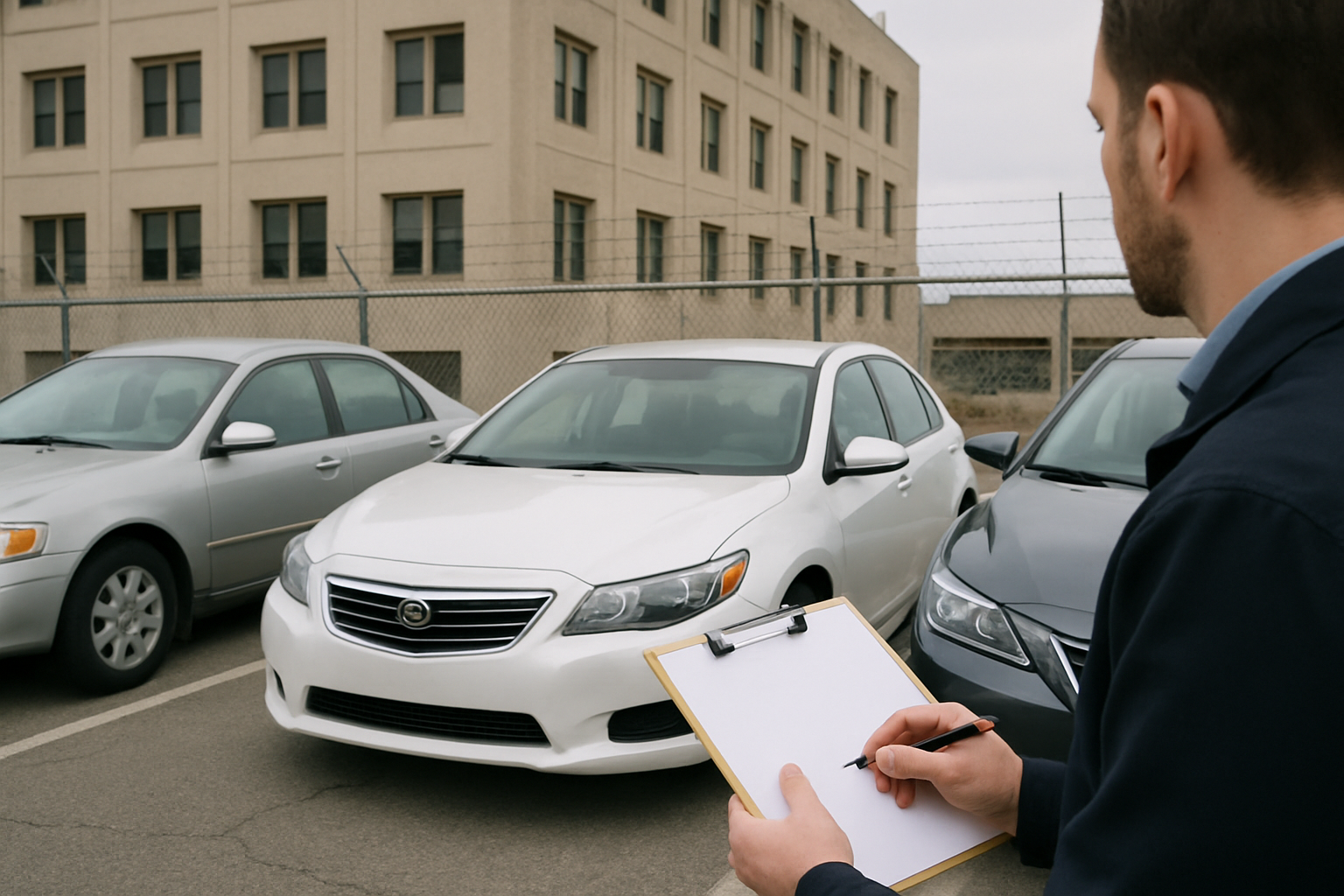
Understanding Government Seized Car Auctions
Government seized car auctions are unique opportunities to purchase vehicles at significantly lower prices than traditional car buying methods. These auctions feature cars seized due to various reasons, such as legal disputes, tax evasion, or involvement in criminal activities. The government aims to recoup losses or free up space by auctioning off these vehicles to the public. Participating in these auctions requires some understanding of the process to maximize your investment and minimize risks.
How Do Government Seized Car Auctions Work?
Government seized car auctions are organized by various agencies, including federal, state, and local government bodies. Agencies such as the U.S. Marshals Service, Internal Revenue Service (IRS), and local police departments frequently hold these auctions. Vehicles are typically sold "as-is," meaning buyers must assess the car's condition independently. Auctions can be held in person or online, allowing a broader audience to participate. Auction sites like GovDeals and Public Surplus are popular platforms for finding these vehicles.
Steps to Buy Government Seized Cars
Purchasing a vehicle through a government auction can be highly rewarding, but it requires due diligence and preparation. Here’s a step-by-step guide to help you navigate the process:
Step 1: Research Upcoming Auctions
Stay informed about upcoming auctions by regularly checking agency websites and auction platforms. Often, these sites will list scheduled dates, available inventory, and auction rules. Utilize email notifications or newsletters offered by these platforms to keep track of future events.
Step 2: Understand the Vehicles Up for Auction
Before attending an auction, familiarize yourself with the available vehicles. Most auction houses provide a list of vehicles, including their make, model, mileage, and VIN. For in-person auctions, visiting preview days, when available, can provide a firsthand look at the cars.
Step 3: Set a Budget and Stick to It
Determine how much you are willing to spend beforehand, considering potential repair costs. Setting a strict budget will help you avoid overbidding and financial strain. Remember, impulse buys can lead to regrettable decisions.
Step 4: Bid Wisely
When the auction begins, start with a conservative bid. Experienced bidders often use these strategies to avoid tipping their hand too early. Engage in the auction calmly and remain within your budget range. Remember, if a vehicle becomes too expensive, it’s wise to walk away.
Step 5: Finalize the Purchase
Once you win a bid, you need to finalize the payment immediately. Some auctions require a deposit upfront and full payment within a few hours. Ensure you understand these terms before participating. After payment, complete the necessary paperwork to transfer ownership legally.
Benefits and Risks of Buying Seized Vehicles
Buying government seized vehicles has several benefits but also comes with inherent risks. Below are some pros and cons to consider:
Benefits
- Cost-saving Opportunities: Vehicles often sell below market value, presenting significant savings.
- Wide Selection: Auctions can feature various makes and models, from economy cars to luxury vehicles.
- Transparency: Unlike dealership sales, auctions have clearly stated terms and conditions.
Risks
- As-Is Condition: Vehicles are sold without warranties, posing potential unforeseen repair costs.
- Limited Inspection: Buyers often have minimal opportunities to inspect vehicles prior to bidding.
- High Competition: Popular auctions can attract many bidders, driving prices up.
Real-world Examples and Statistics
In 2026, government agencies conducted thousands of seized vehicle auctions across the U.S., with hundreds of thousands of cars sold to the public. A report from CarsGuide indicated that savings on such vehicles often ranged from 30% to 50% off the retail price, depending on the vehicle’s condition and scarcity at auction. The increasing popularity of online auction platforms has broadened access, enabling more buyers to participate and increasing overall sales volume. Recent data suggests that the completion rate of online vehicle auctions has increased by 15% in the last year.
Conclusion
Buying government seized vehicles is a worthwhile pursuit for those willing to research and prepare. Consider partnering with professionals, like mechanics or car appraisers, when evaluating vehicles. While the process requires caution and strategy, the potential to acquire a quality vehicle at a fraction of its market value is a compelling reason to explore government seized car auctions.