A Complete Guide to Safely Purchasing Cars Online
Buying your next car online is a fantastic way to find the perfect vehicle, but it’s crucial to know how to protect yourself during the process. This guide breaks down the essential steps for a secure and successful purchase from start to finish.
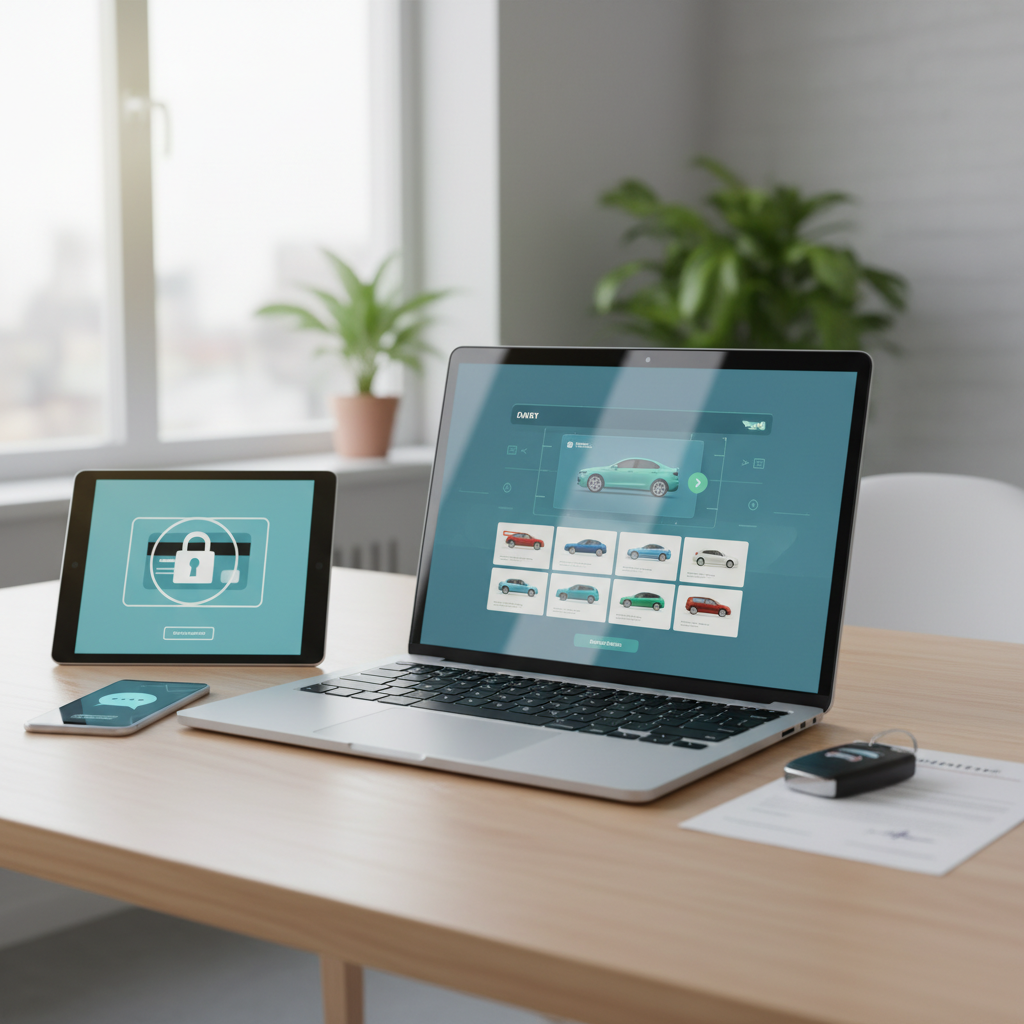
How To Safely Buy Cars Online: A Comprehensive Guide
Buying a car has traditionally involved long hours at a dealership, endless paperwork, and high-pressure sales tactics. Today, the internet has revolutionized this process, offering convenience, a wider selection, and often, better prices. However, the digital marketplace also presents unique risks. Navigating it safely requires diligence, research, and a clear understanding of the process. This guide provides a step-by-step approach to ensure your online car-buying experience is secure and successful.
Key Steps to a Secure Online Car Purchase
Following a structured process can protect you from common pitfalls and scams. Each step is crucial for verifying the vehicle, the seller, and the transaction itself.
1. Conduct In-Depth Research on the Vehicle
Before you even start browsing listings, you need to know exactly what you're looking for. Begin by researching the specific makes and models that fit your needs and budget. Look into their long-term reliability ratings from trusted sources like Consumer Reports or J.D. Power. Investigate common mechanical issues for that model year, typical maintenance costs, and its average market value. Knowing the fair market price (using tools like Kelley Blue Book or Edmunds) will give you a strong baseline and help you immediately identify listings that seem too good to be true.
This initial research phase empowers you as a buyer. When you understand the vehicle's strengths and weaknesses, you can ask more informed questions and better scrutinize the details provided in a listing. It also helps you create a shortlist of vehicles, making your search more focused and efficient.
2. Choose a Reputable Online Platform
Where you shop matters immensely. There are several types of online car-selling platforms, each with its own level of security and buyer protection. Major online retailers like Carvana, Vroom, and CarMax offer a more streamlined, dealership-like experience with fixed pricing, financing options, and limited warranties or return periods. These platforms handle much of the verification process for you, making them a safer choice for first-time online buyers.
Alternatively, you can use online marketplaces like eBay Motors or Craigslist, which connect you with private sellers or traditional dealerships. While you might find better deals here, the risk is significantly higher. If you choose this route, you must be extra vigilant in vetting the seller and the vehicle yourself. Always check seller ratings and reviews when available and be wary of new accounts with no history.
3. Scrutinize the Vehicle Listing Carefully
A legitimate seller will provide a detailed and transparent listing. Pay close attention to the quality and number of photographs. A good listing should include high-resolution images of the car's exterior from all angles, the interior, the dashboard (with the odometer visible), the engine bay, and the tires. Be suspicious of listings with only a few blurry or generic photos.
Read the vehicle description thoroughly. Does it provide specific details about the car's condition, service history, and any known issues? Vague descriptions are a red flag. The listing should also clearly state the Vehicle Identification Number (VIN). If the VIN is missing, request it from the seller. If they refuse, walk away immediately. The VIN is essential for the next critical step.
4. Always Get a Vehicle History Report
A Vehicle History Report (VHR) is a non-negotiable part of the process. Using the VIN, you can purchase a report from services like CARFAX or AutoCheck. This report provides a comprehensive history of the vehicle, including previous owners, accident history, title status (checking for salvage, flood, or lemon titles), service records, and reported odometer readings.
Carefully review the VHR for any discrepancies or major issues. Does the reported mileage match what’s in the listing? Has the vehicle been in any major accidents? Is the title clean? A VHR can reveal hidden problems that the seller may not have disclosed, potentially saving you from a disastrous purchase. The small cost of a report is an invaluable investment in peace of mind.
5. Insist on a Pre-Purchase Inspection (PPI)
Even with a clean VHR, you should never buy a car without having it professionally inspected. Since you can't see the car in person, a Pre-Purchase Inspection (PPI) is your eyes and ears. A PPI is conducted by a qualified, independent mechanic who will perform a thorough evaluation of the vehicle's mechanical and structural condition.
Arranging a PPI for a remote vehicle is easier than it sounds. You can use a national service like Lemon Squad, which sends a mobile mechanic to the car's location. The mechanic will provide you with a detailed report, complete with photos and analysis, covering everything from engine health to brake wear and signs of hidden rust or frame damage. A seller who refuses to allow a PPI is almost certainly hiding something.
6. Secure a Safe Payment Method
How you pay for the car is one of the most critical security points. Never, under any circumstances, pay a private seller using an irreversible wire transfer, gift cards, or a peer-to-peer cash app. These are the preferred methods for scammers because once the money is sent, it's impossible to get back. Reputable online retailers will have their own secure financing and payment portals.
For private transactions, the safest method is to use a third-party escrow service. An escrow service acts as a neutral middleman. You send the payment to the escrow company, which holds the funds until you have received the vehicle and confirmed its condition. Only then do they release the money to the seller. This protects both the buyer and the seller from fraud.
7. Understand Shipping and Title Transfer
Finally, you need to have a clear plan for shipping and paperwork. If you're buying from a major online retailer, they will typically handle delivery and the title/registration process. For private sales, you will need to arrange your own shipping. Get quotes from several reputable auto transport companies and ensure they are fully insured.
Before finalizing the payment, confirm exactly how the title transfer will work. You will need the seller to send you the signed title and a bill of sale. Ensure the name on the title matches the seller's identification and that there are no liens listed. Never agree to a deal where the seller claims the title will be "sent later." You must have the signed title in hand or a clear, secure process for obtaining it before funds are fully released.
The Rise of the Digital Dealership: How Online Car Buying Became Mainstream
The concept of buying a car online isn't new, but its widespread adoption is a relatively recent phenomenon. For decades, the auto industry was built around the physical dealership model. This system gave dealers significant control over pricing, financing, and inventory, often leaving consumers feeling overwhelmed and at a disadvantage.
The shift began with informational websites like Edmunds and Kelley Blue Book, which empowered consumers with pricing data. Marketplaces like eBay Motors and Craigslist followed, creating platforms for private and dealer sales. However, the true game-changer was the emergence of end-to-end online retailers like Carvana in the early 2010s. These companies digitized the entire process, from browsing and financing to home delivery, effectively creating the "digital dealership." They introduced features like 360-degree virtual vehicle tours and 7-day money-back guarantees, which helped build consumer trust and overcome the hurdle of not being able to physically test drive the car. The convenience, transparency, and no-haggle pricing model resonated with a new generation of buyers, forcing the entire industry to adapt and pushing traditional dealerships to develop their own robust online sales platforms.
Common Questions About Buying a Car Online
Even with a clear process, first-time online car buyers often have lingering questions. Here are answers to some of the most common concerns.
What are the biggest red flags to watch for?
Beyond the major points already covered, several specific red flags should make you immediately suspicious. One of the most common is a price that is drastically below market value. Scammers use these "too good to be true" deals to lure in victims. Another major red flag is a seller who creates a sense of urgency, pressuring you to make a quick decision and send money before you can do your due diligence. They might claim another buyer is interested or that the deal expires soon.
Be wary of sellers who refuse to talk on the phone and will only communicate through email or text. A legitimate seller should be willing to have a conversation. Also, watch out for "sob stories" explaining why the car is priced so low—these are often used to build a false sense of trust. Finally, if a seller tries to move the transaction off a secure platform (like eBay Motors) and asks you to deal with them directly via email, it is almost certainly a scam.
How does a test drive work when buying online?
The lack of a traditional test drive is a major concern for many online buyers. Reputable online retailers have addressed this in several ways. The most common solution is a robust return policy, often marketed as a "test own" period. Companies like Carvana and Vroom typically offer a 7-day money-back guarantee. During this week, you can drive the car as you normally would to see how it fits your lifestyle, and you can even take it to your own mechanic for a post-purchase inspection. If you're not satisfied for any reason, you can return it for a full refund.
For platforms connecting you to distant dealerships or private sellers, this isn't an option. In these cases, you must rely heavily on the combination of a detailed Vehicle History Report and a thorough Pre-Purchase Inspection. Some sellers may also be willing to do a live video walk-around, where they show you the car in real-time and start the engine so you can hear it run. While not a substitute for driving, it provides more insight than photos alone.
Final Thoughts on Your Online Purchase
Buying a car online offers unparalleled convenience and selection, but it requires a cautious and methodical approach. By conducting thorough research, choosing reputable platforms, verifying the vehicle's history and condition through reports and inspections, and using secure payment methods, you can confidently navigate the digital marketplace. Remember that a legitimate seller will be transparent and patient, accommodating your requests for information and inspections. If at any point a deal feels rushed or a seller is evasive, trust your instincts and walk away. Your diligence is the best protection against potential risks.