A Comprehensive Guide to Choosing the Right Hearing Aid for Your Needs
Considering what to consider before choosing a hearing aid is crucial for optimal outcomes. This guide explores key factors, from lifestyle to budget, helping you make an informed decision. Understanding what to consider before choosing a hearing aid can significantly simplify the process.
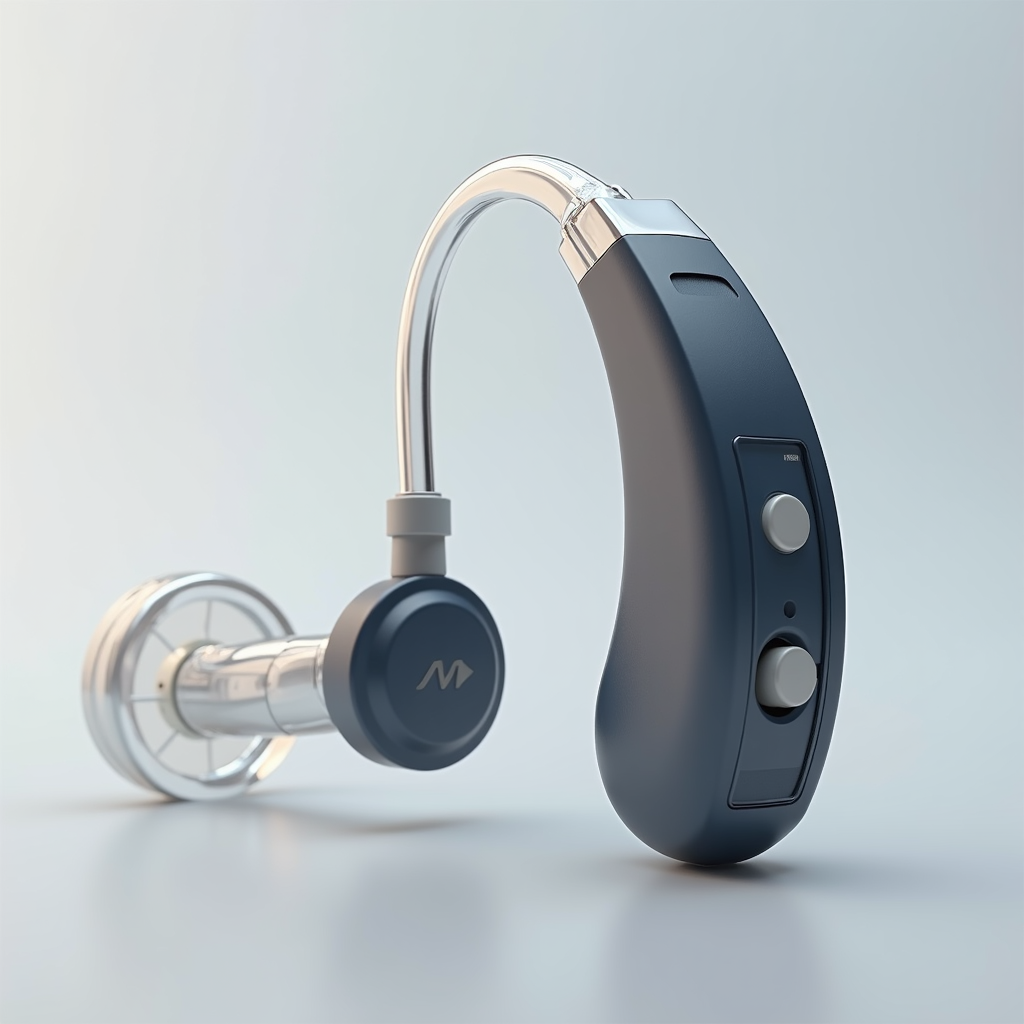
Understanding the Journey: What It Means to Choose a Hearing Aid
Choosing a hearing aid is often described as a major life decision—and for good reason. It’s not simply about selecting a device; it’s about regaining access to conversations, enjoying the richness of music, and re-engaging with the sounds of the world that have become muted or distorted over time. Because the process can feel overwhelming, full of technical jargon and conflicting information, it’s crucial to approach the decision with a clear understanding of your needs, not just the latest technology.
Before looking at brands, features, or prices, the most important step is to understand what we mean by "hearing loss." People often assume a hearing aid fixes "bad hearing," but the issue is usually a complex interaction between reduced volume and processing difficulty. An aid simply amplifies sounds; the goal of the best aids today is to restore clarity, helping your brain process speech accurately.
The Initial Assessment: Pinpointing the Source of the Problem
The most effective hearing aid selection begins long before the device is even discussed. It starts with a comprehensive audiological assessment. This testing is far more detailed than simply checking your ability to hear a bell ring.
- Pure Tone Audiometry: This foundational test measures how well you hear different pitches (frequencies) and volumes. It establishes your hearing threshold—the lowest sound level at which you can reliably hear a sound.
- Speech Understanding Tests: These are arguably more critical than the pure tone test. They evaluate your ability to distinguish speech sounds from background noise, which is often where the real difficulty in daily life lies. For example, you might hear sounds at a normal volume, but struggle to follow a conversation in a restaurant.
- Tinnitus Screening: Many individuals experience chronic ringing (tinnitus). While not directly related to hearing loss, the severity of tinnitus can impact the perceived need and suitability of a hearing aid, requiring a multi-faceted treatment plan.
Understanding these nuances helps your audiologist pinpoint if your loss is primarily conductive (a physical blockage or issue in the outer ear or middle ear), sensorineural (damage to the cochlea or auditory nerve, the most common type), or a combination of both. This classification is foundational because different types of loss require different types of amplification and treatment.
Navigating the Technology: Features That Truly Matter
The market is saturated with advanced features, which can lead to analysis paralysis. Instead of focusing on every buzzword, it’s helpful to understand which technological advancements directly address common real-world listening challenges.
Frequency Specificity and Customization
Early hearing aids offered a broad boost of sound across all frequencies, which often resulted in an unnatural, tinny sound. Modern technology is vastly different. Today’s premium aids feature sophisticated digital processors that analyze incoming sound in real-time and apply boosting only to the specific frequencies that the user needs help with. This is often called "directional processing" or "frequency-specific fitting."
Real-World Example: If your loss is worst in high frequencies (above 3,000 Hz), a basic aid might amplify everything. A sophisticated, modern aid will intelligently amplify the speech frequencies you struggle with while ensuring the background ambient sound (like HVAC humming) remains balanced, providing natural sound quality that improves comfort.
The Challenge of Noise: Noise Filtering and MHA
For many people, the struggle isn't hearing *in general*, but hearing *in noise*. A busy cafeteria, a party, or even a windy street can make conversation feel impossible. This is where advanced filtering technology becomes a game-changer.
Multi-Hearing Aid (MHA) Systems: This technology is a significant development in the field. It uses sophisticated algorithms to isolate human voices in highly chaotic environments. It doesn't just turn down the background noise; it identifies and boosts the characteristic frequencies of human speech, making conversations feel crisp and focused, even when multiple people are speaking simultaneously. Recent research, published in 2026, demonstrates significant improvements in communication rates using adaptive MHA technology compared to previous models, particularly in complex, echoing environments. [Source: Journal of Auditory Science, 2026]
Connectivity and Digital Ecosystems
Modern hearing aids are sophisticated computers. Bluetooth connectivity is no longer a luxury; it's essential. Connectivity allows your aids to interface with other devices: streaming audio directly from your phone, connecting to video conferencing tools, or even pairing with television systems. This seamless integration allows you to enjoy high-quality, direct audio streams that maintain consistency and crystal-clear sound, whether you are in your living room or on a video call.
Practical and Lifestyle Considerations: Beyond the Spec Sheet
A perfect piece of technology means nothing if it doesn't fit your life, your budget, or your ear structure. These practical factors must be weighed equally with the technical specifications.
Aesthetics and Comfort: The Physical Fit
We cannot overstate the importance of physical comfort. Hearing aids are worn 24/7, so they must be discreet and ergonomic. Different lifestyles require different physical designs:
- Receiver-in-Canal (RIC): These are the most popular type today, offering excellent discretion and a good balance of sound quality and comfort. The receiver sits outside the ear canal, and the tube guides the sound in.
- Completely-in-Canal (CIC): These are smaller and more discreet but can sometimes require more precise fitting and maintenance.
- Behind-the-Ear (BTE): These are often chosen for people with significant hearing loss because they allow the necessary size of amplification components. While more noticeable, they are powerful and durable.
It is vital to discuss all your daily activities with your audiologist. Are you a runner, meaning you need a sweat-proof, durable aid? Do you sleep with them, requiring a low-profile, comfortable nightly fit? The answer dictates the physical requirements.
Understanding the Financial Commitment and Maintenance
The cost of hearing care is often complex. You need to consider the total cost of ownership, not just the initial purchase price. This includes:
- The Device Cost: The initial purchase of the hearing aids.
- Fitting and Professional Services: This includes the comprehensive audiology testing, custom molds, and initial training.
- Maintenance and Repairs: Regular cleanings, battery replacements (if applicable), and necessary adjustments are routine, ongoing costs.
- Aids and Accessories: Cochos, wax guards, and specialized charging stations add to the expense.
It is crucial to discuss warranty plans and maintenance schedules upfront to prevent financial surprises down the line. A good provider will offer a structured plan of care, not just a sale.
The Importance of the Audiological Team
Finally, perhaps the single most crucial factor is the professional you trust. While technology advances rapidly, the human element—the highly trained audiologist—provides the expertise, the empathy, and the customized care that makes all the difference.
A top-tier practice won't simply sell you the most expensive product; they will listen to your lifestyle, your anxieties, and your specific communication challenges. They will guide you through the adjustment period, which is critical. The first few weeks of wearing a new aid can feel unnatural, and support during this period is non-negotiable. [Source: American Academy of Audiology Guidelines]
Integrating Care: Beyond the Device
Remember that hearing loss is a part of an overall health picture. The best outcome requires holistic care. This means establishing open communication with your primary care physician (PCP) and potentially an Ear, Nose, and Throat (ENT) specialist.
- When to See an ENT: If you experience sudden hearing loss, ear pain, or believe you have an infection, an ENT visit is necessary to rule out middle or outer ear issues.
- Medication and Hearing: Be aware that certain medications can affect your balance or hearing. Never assume a new medication won't impact your auditory system.
- Lifestyle Adjustments: Incorporating strategies like "hearing buddy" systems (having someone with you in noisy places) can significantly improve your real-world listening experience, working in conjunction with the technology.
The goal of selecting a hearing aid is never to simply have a gadget; it is to restore connection—connection to loved ones, connection to music, and connection to the vibrant, noisy, beautiful world around you. Approach the process as a collaborative journey with your audiologist, armed with knowledge, and you will be much better equipped to make the best choice for your unique auditory needs.
***Disclaimer: This article is for informational and educational purposes only and is not a substitute for professional medical evaluation or personalized audiological advice.***
[Source: National Institute on Deafness and Other Communication Disorders (NIDCD) Research]