A Comprehensive Guide to Comparing Car Insurance Options Before Renewal
Looking to compare car insurance options before renewing? Our latest guide offers a step-by-step approach to evaluating your choices. Learn how to assess different policies, understand key factors like coverage and rates, and find the perfect match for your needs.
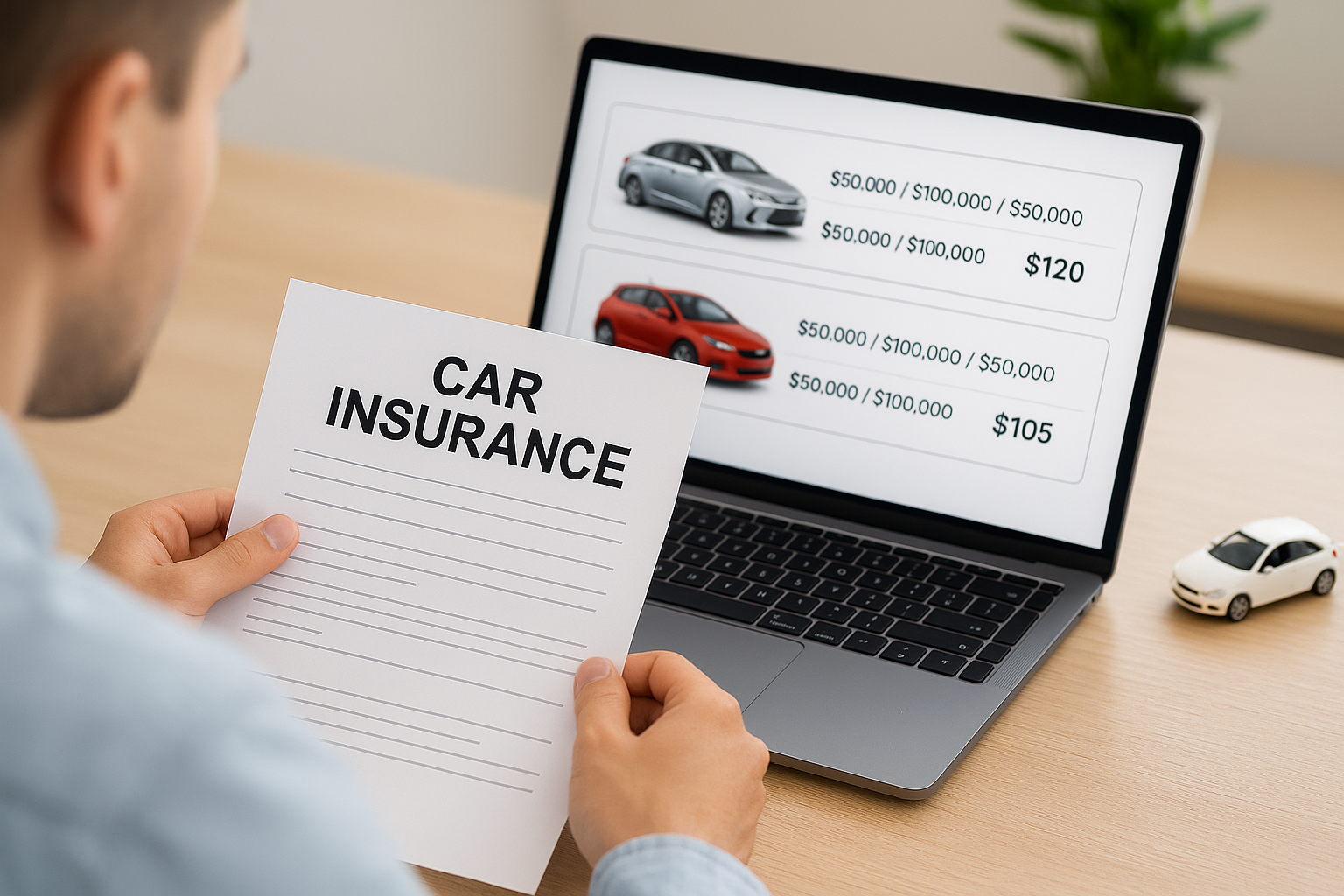
Understanding Car Insurance: What Are Your Options?
When it comes to car insurance, understanding the different options available to you can be overwhelming. With so many companies, coverage types, and varying costs, it's important to have a clear understanding before making a decision. This guide is designed to help you navigate through this process efficiently and effectively.
Types of Car Insurance Coverage
Before comparing car insurance options, it’s essential to understand the types of coverage available. Here are the main types of car insurance coverage you may encounter:
- Liability Coverage: This is the most basic form of car insurance and is required by law in most states. It covers costs related to injuries and damages you cause to others in an accident.
- Collision Coverage: This covers damage to your car from collisions with another vehicle or object. It ensures that your vehicle is repaired or replaced regardless of who is at fault.
- Comprehensive Coverage: Comprehensive insurance covers non-collision-related incidents such as theft, vandalism, or natural disasters. It's an optional addition to your policy.
- Personal Injury Protection (PIP): PIP covers medical expenses for you and your passengers after an accident, regardless of who is at fault.
- Uninsured/Underinsured Motorist Coverage: This protects you if you’re involved in an accident with a driver who lacks sufficient insurance coverage.
Factors to Consider When Comparing Car Insurance
Not all car insurance policies are created equal, and several factors can influence which policy is right for you. Here’s what you should consider:
Cost
The cost of your premium is often the most significant factor in choosing a car insurance plan. Make sure to request quotes from multiple companies and compare them. Keep in mind the price should not be your sole consideration—balance cost with coverage.
Coverage Limits
Examine the coverage limits of your policy to ensure you’re adequately protected. Ask yourself if the limits on liability, collision, and comprehensive coverage are sufficient in the event of an accident or theft.
Deductibles
A deductible is the amount you pay out of pocket before your insurance kicks in. Policies with lower premiums often have higher deductibles. Consider how much you can afford to pay if you need to make a claim.
Reputation and Customer Reviews
Research the reputation of the insurance companies you’re considering. Customer reviews can provide insight into an insurer’s customer service and claims processing efficiency. Sites like Consumer Reports or J.D. Power offer comprehensive reviews.
Discounts
Many insurance companies offer discounts for things like good driving records, bundling multiple policies, or having safety features in your car. Make sure to ask about potential discounts to lower your premium.
How to Compare Car Insurance Quotes Effectively
Comparing car insurance quotes is crucial to finding the best policy for your needs. Here’s a step-by-step approach to effectively comparing quotes:
Step 1: Gather Your Information
Before requesting quotes, gather all necessary information, including your driving history, details about your vehicle, and any current coverage you have. This will ensure accuracy in the quotes you receive.
Step 2: Use Online Comparison Tools
Utilize online comparison tools to get a general idea of insurance rates from different companies. Websites like NerdWallet provide side-by-side comparisons of rates from multiple insurers.
Step 3: Contact Insurance Agents
For additional detail and clarification, consider speaking directly with insurance agents. They can explain specific coverages and help tailor a policy to suit your needs.
Step 4: Review and Decide
After comparing quotes and coverage options, review the pros and cons of each policy. Consider factors like cost, coverage, and reputation to make an informed decision.
Real-World Example: Case Study of a Driver Comparing Car Insurance
Let’s look at a case study to illustrate how to compare car insurance effectively:
Sarah, a 30-year-old driver, is looking to renew her car insurance. She drives a 2023 Honda Accord and has a clean driving record. Sarah began by using an online comparison tool and received quotes ranging from $900 to $1,200 annually. By directly contacting several insurers, she learned about additional coverage options and discounts, such as a safe driving discount and a multi-policy discount.
After reviewing the policies, Sarah chose an insurer that offered a balanced package of cost, coverage, and customer service, ultimately saving her $250 a year compared to her previous policy.
Conclusion
When comparing car insurance options, taking the time to research and understand your choices can lead to significant savings and better coverage. Use this guide to navigate the complexities of car insurance and choose a policy that provides peace of mind and financial protection.