A Comprehensive Guide to Navigating Patient Assistance Programs in the USA
Navigating patient assistance programs in the USA can be key to accessing affordable healthcare. These programs often offer support for those eligible, providing discounts or free medications.
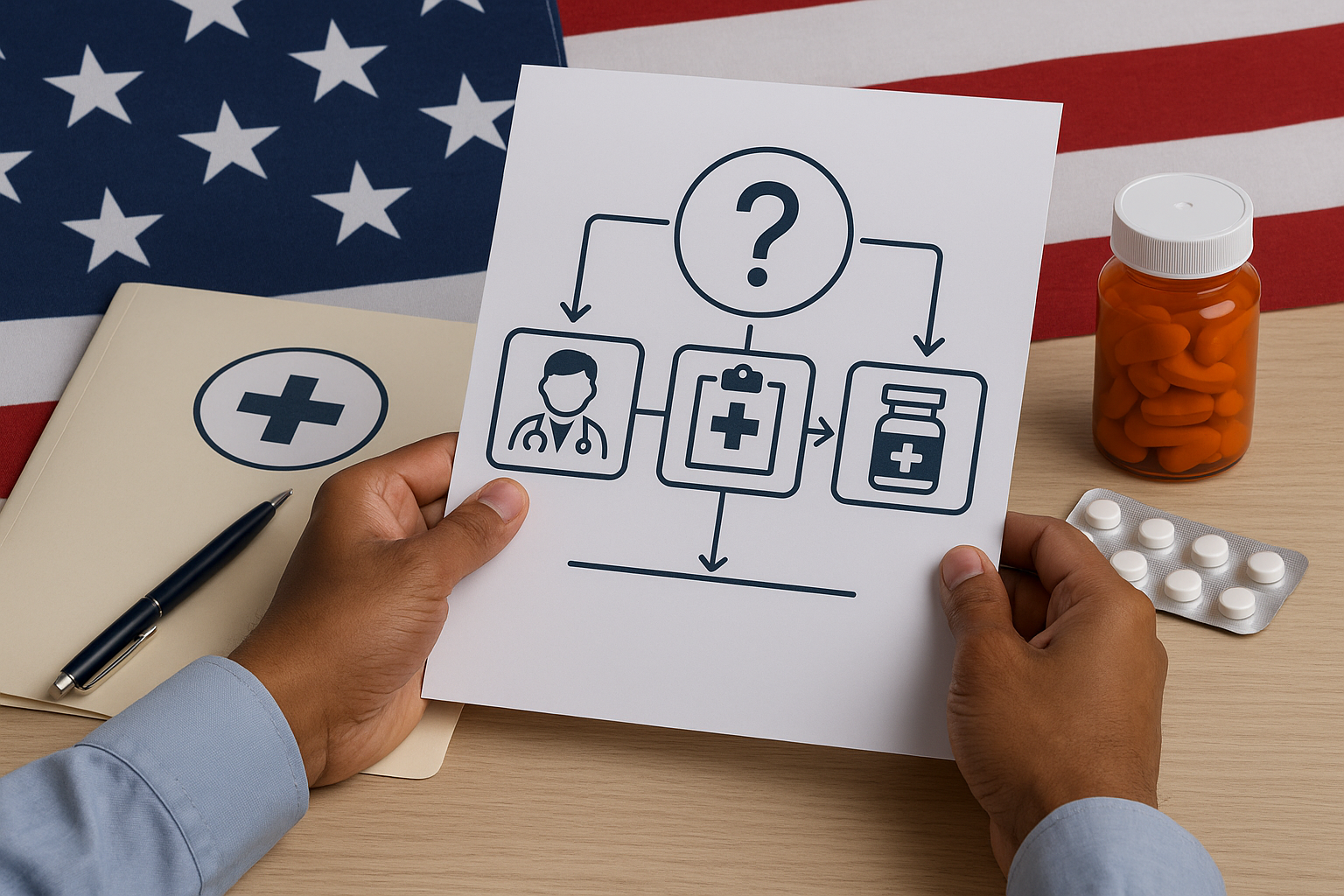
Understanding Patient Assistance Programs in the USA
Patient Assistance Programs (PAPs) are initiatives designed to help individuals who cannot afford their medications. Despite the presence of insurance, many people encounter high out-of-pocket costs that make accessing necessary medications difficult. These programs bridge the gap by offering free or low-cost medications to those who qualify. As of 2026, the landscape of healthcare continues to evolve, making it vital for patients to understand and navigate these programs effectively.
Who Can Apply for Patient Assistance Programs?
Patient Assistance Programs are primarily aimed at uninsured or underinsured individuals who fall within certain income guidelines. The specific criteria can vary significantly from one program to another. Generally, eligibility is based on:
- Income Level: Most PAPs assist individuals and families whose income is at or below 250% to 400% of the Federal Poverty Guidelines. Recent data indicates that a family of four earning less than $55,000 annually may qualify.
- Insurance Status: Typically, those without insurance or with limited coverage qualify for assistance. Some programs also consider applications from those on Medicare who struggle with high costs.
- Residency: Applicants usually need to be U.S. residents or citizens, although some exclusions apply.
Real-World Example
For Jane, a single mother with two kids, affording her prescription medication for diabetes was challenging due to her low-paying job. Through a PAP offered by a pharmaceutical company, she received her medication at a reduced cost, highlighting the importance of these programs for those in need.
How to Find a Relevant Patient Assistance Program
Finding a suitable PAP requires some research. Here are steps to guide you:
- Consult Your Doctor: Physicians often have information about available patient assistance resources and can guide patients based on their specific needs.
- Use Online Tools: Websites like NeedyMeds and Helping Patients offer comprehensive databases of PAPs, making it easier for patients to find suitable programs.
- Contact Pharmaceutical Companies: Many pharmaceutical companies have their own PAPs. Calling the customer service line or visiting their websites can provide detailed information about the assistance they offer.
Steps to Apply for Patient Assistance Programs
Applying for a Patient Assistance Program typically involves several steps:
- Gather Necessary Documentation: You'll need to provide proof of income, residency, and any relevant insurance information. These documents help validate your eligibility for the program.
- Complete the Application: Applications can often be found online or through healthcare offices. Ensure that you fill out the forms completely and accurately.
- Submit Your Application: Applications can usually be submitted online, via fax, or through mail. Be sure to follow the instructions provided by the program.
- Follow Up: After submission, it’s important to follow up to confirm that your application was received and is being processed. This step is crucial to address any potential errors or missing information quickly.
An Example Step-by-Step Process
Consider Alex, who required medication for his chronic condition. He applied to a PAP by downloading the application from the pharmaceutical company's website. After gathering his tax return and other financial documents, he submitted them online and received confirmation and approval within two weeks.
Common Challenges and How to Overcome Them
While PAPs are highly beneficial, applicants might face certain challenges:
- Complexity of Forms: Application forms can be detailed and hard to navigate. Seeking help from healthcare providers or social workers can ease this process.
- Processing Delays: Application reviews can take time. Planning ahead and submitting applications well before medications run out can prevent interruptions in therapy.
- Eligibility Changes: Yearly income changes or changes in insurance coverage may affect eligibility. Keeping abreast of these changes and promptly updating information with PAPs is essential.
Recent Statistics and Research
According to a 2026 report by the Healthcare Research Institute, nearly 9 million individuals in the U.S. benefit from patient assistance programs annually. This reflects the growing reliance on PAPs amid increasing healthcare costs. Further, studies emphasize the importance of expanding such programs to address gaps in healthcare access.
Conclusion
Patient Assistance Programs can serve as a critical resource for those struggling with the cost of medications in the USA. By understanding the eligibility criteria, researching available options, following the application steps, and anticipating challenges, applicants can effectively navigate and benefit from these programs. Staying informed and proactive in managing one's healthcare can lead to better health outcomes and reduced financial strain.