A Comprehensive Guide to Plug-in Hybrid SUVs: What to Expect in 2026
Explore the evolving landscape of plugin hybrid SUVs in 2026 and discover how these vehicles are reshaping our approach to sustainable driving. Learn about the advancements in hybrid technology and what makes plugin hybrid SUVs a compelling choice for environmentallyconscious drivers.
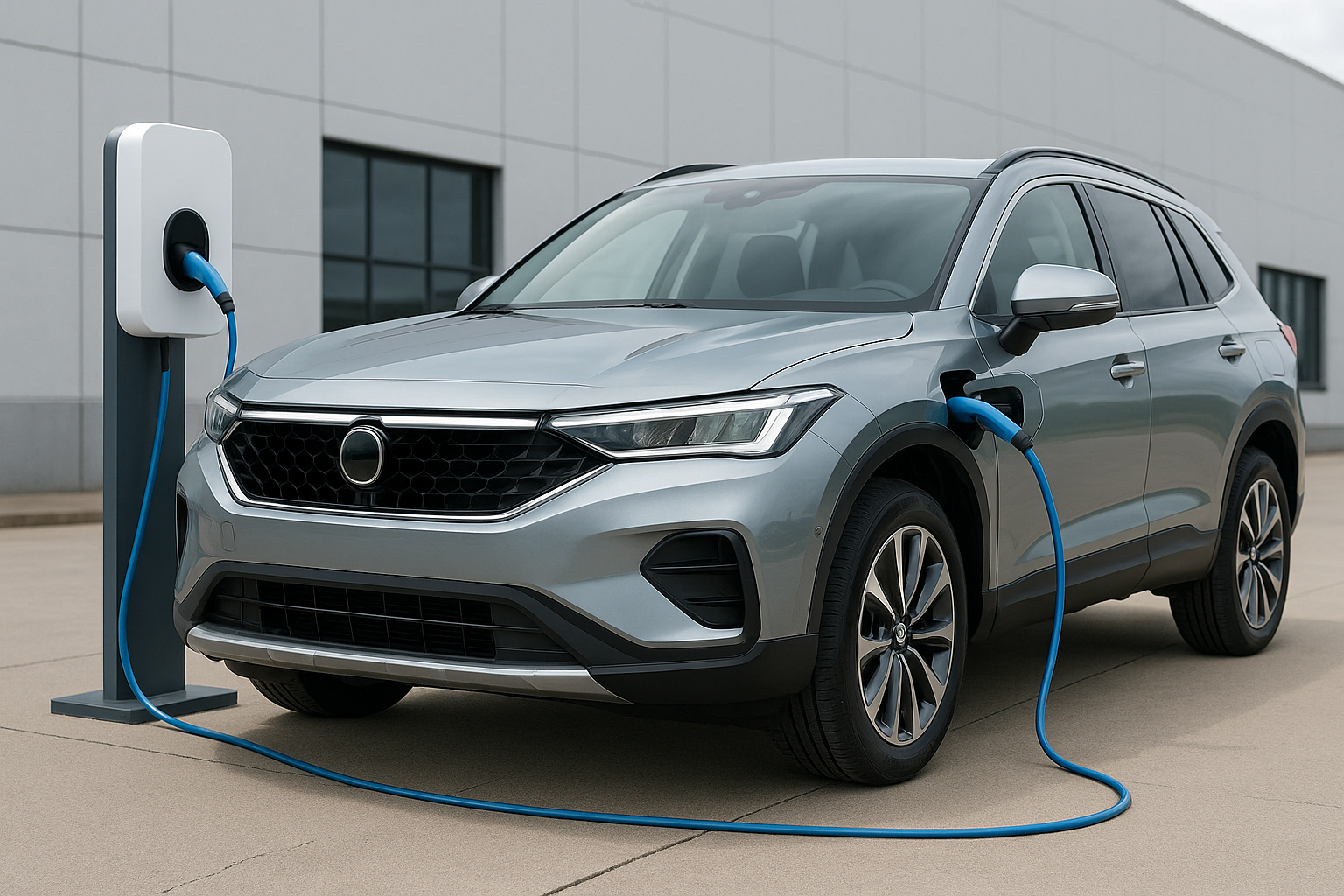
What is a Plug-in Hybrid SUV?
In the automotive landscape of 2026, Plug-in Hybrid SUVs (PHSUVs) have cemented their place as a bridge between traditional internal combustion engine vehicles and fully electric vehicles. A plug-in hybrid SUV combines an internal combustion engine (usually gasoline) with an electric motor and a rechargeable battery.
This synergy allows drivers to enjoy the benefits of electric propulsion for short distances and the convenience of a gasoline engine for longer journeys. As the industry aims for enhanced sustainability, plug-in hybrids offer an intermediate step towards a greener future.
Key Characteristics of Plug-in Hybrid SUVs
- Dual Power Sources: Utilizes both a conventional engine and an electric motor.
- Rechargeable Battery: Comes with a battery that can be recharged by plugging into an external power source.
- Extended Range: Electric range is typically 20-50 miles, while the gasoline engine can extend the range significantly.
- Reduced Emissions: Compared to traditional SUVs, plug-in hybrids produce fewer emissions.
- Efficiency: Offers improved fuel economy by leveraging electric power.
How Do Plug-in Hybrid SUVs Work?
Understanding the mechanics of plug-in hybrid SUVs helps in appreciating their versatility and efficiency. When you drive a PHSUV, it primarily runs on the electric motor, utilizing the stored battery charge for emission-free travel, especially during low-speed city commuting.
Once the battery's charge is depleted or if more power is needed, the gasoline engine kicks in. This seamless transition between power sources is managed by sophisticated hybrid systems, allowing for optimal performance and efficiency without the driver having to toggle between modes manually.
The Role of Regenerative Braking
Regenerative braking is a standout feature in plug-in hybrids. It captures energy during braking that is usually wasted in traditional braking systems. This energy is then used to recharge the vehicle's battery, thereby enhancing the electric range and improving overall efficiency.
Why Consider a Plug-in Hybrid SUV in 2026?
The year 2026 presents a perfect scenario for investing in PHSUVs for several reasons. Not only are charging infrastructures more developed, but incentives and policies also make them more accessible and cost-effective.
Increased Environmental Awareness
With growing environmental consciousness, more people are turning towards vehicles that offer a lower carbon footprint. According to a 2026 report by the International Council on Clean Transportation, plug-in hybrids have contributed to a 23% reduction in urban emissions compared to traditional combustion vehicles.
Practicality and Flexibility
PHSUVs cater to diverse needs — from city dwellers to long-distance travelers. They offer the quiet and clean city driving experience of an electric vehicle while retaining the gasoline range that makes long trips feasible without frequent recharge stops.
Cost Benefits and Incentives
The financial aspects of owning a PHSUV in 2026 are encouraging. Tax credits and rebates are available for buyers, and many countries have implemented lower registration fees and toll reductions. Furthermore, the operating cost of a PHSUV tends to be lower despite the initial purchase price.
What to Look for When Buying a Plug-in Hybrid SUV?
Choosing the right plug-in hybrid SUV involves considering several factors to match your lifestyle and values.
Electric Range
Asses the electric range – the distance the vehicle can travel on a full charge is critical. For instance, if your daily commute stay within the electric range, you might rarely use the gasoline engine, maximizing efficiency and reducing fuel costs.
Charging Facilities
Check the availability of home charging options and public charging stations. In 2026, urban areas typically have numerous charging points, but rural access can be more limited.
Space and Comfort
Ensure that the vehicle meets your spatial needs, especially if you have a family or require additional cargo space. Modern PHSUVs offer a balance between passenger comfort and storage.
Comparing Plug-in Hybrid SUVs to Other Vehicle Types
The decision to invest in a PHSUV often involves comparing it to other vehicle types like traditional hybrids, full electric vehicles (EVs), and gasoline-powered cars.
Plug-in Hybrid SUVs vs. Full Electric Vehicles
While EVs provide a zero-emission solution, they often require more frequent charging, which can be a drawback in areas with sparse charging infrastructure. PHSUVs mitigate this with their gasoline engines.
PHSUVs vs. Traditional Hybrids
Traditional hybrids rely more on gasoline, while PHSUVs offer significant electric-only range, which enhances their efficiency and emissions performance. They offer a more robust transition towards an electric-only future.
Conclusion
Plug-in Hybrid SUVs, as of 2026, remain a compelling choice for many drivers. They offer a balance between the immediate zero-emission benefits of electric driving and the practicality of a gasoline engine when needed. As technology evolves and infrastructure expands, PHSUVs represent a practical step towards a sustainable automotive future.
For further insights and reviews on specific plug-in hybrid models available in 2026, you can refer to resources such as Car and Driver or the latest findings published by International Energy Agency.