A Comprehensive Guide to Safely Using External Catheters
Using an external catheter, often called a condom catheter, can be a comfortable and discreet way to manage urinary incontinence, but proper use is essential for skin health and effectiveness. In this straightforward guide, we'll walk you through the most important steps for safe use.
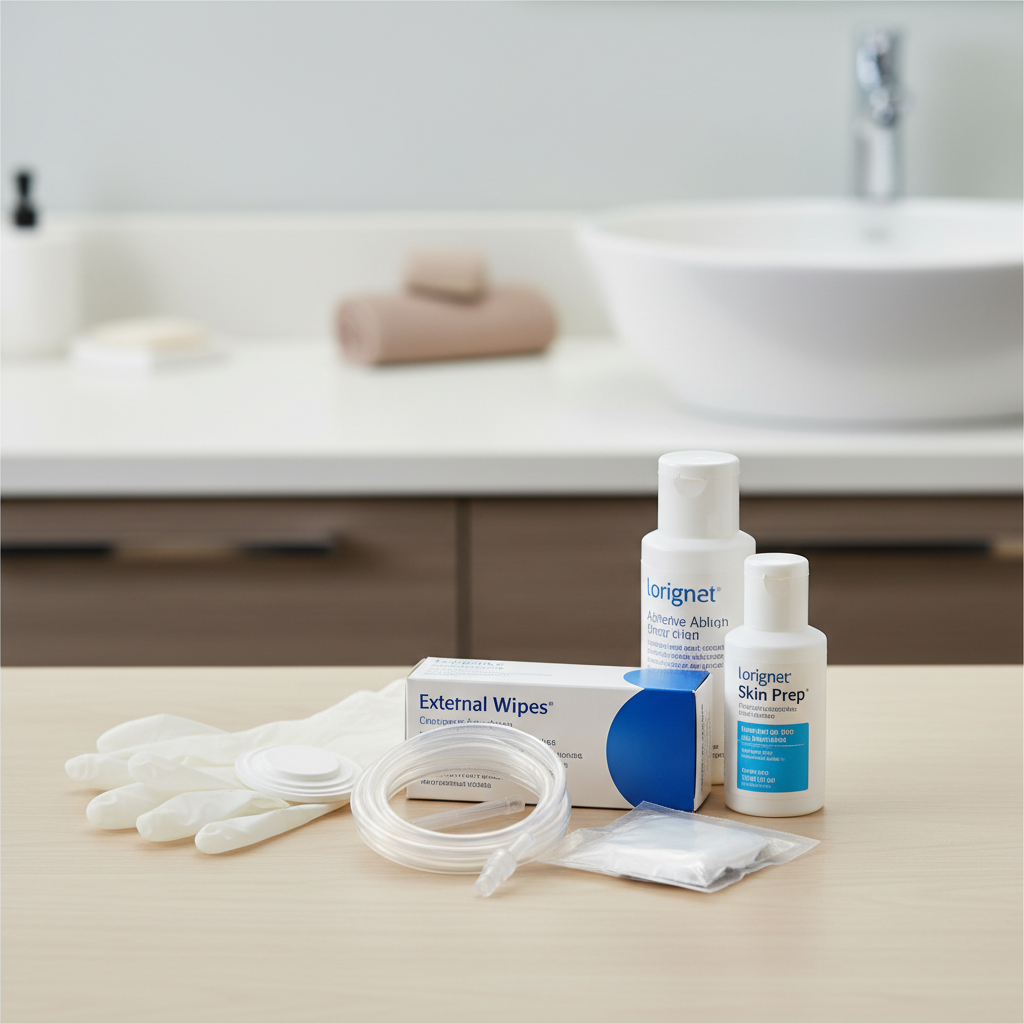
A Step-by-Step Guide to Safely Applying an External Catheter
Using an external catheter, often called a condom catheter or a male external catheter, can be a safe and effective way to manage urinary incontinence. However, proper application is crucial to prevent skin irritation, infection, and leakage. Following a consistent and hygienic process ensures both comfort and effectiveness. Below is a detailed guide to help you apply an external catheter correctly and safely.
Step 1: Gather Your Supplies
Before you begin, it’s essential to have all your necessary supplies clean and within easy reach. This preparation prevents interruptions and ensures a sterile process. You will typically need:
- The correct size external catheter
- A urinary drainage bag (leg bag or bedside bag) with tubing
- Soap (mild, non-moisturizing) and warm water
- A clean washcloth and towel
- Protective skin barrier wipes or spray (optional but highly recommended)
- Clean scissors (if you need to trim pubic hair)
- Disposable gloves (optional)
Step 2: Prepare the Skin
Proper skin preparation is perhaps the most critical step in preventing complications. The skin in this area is sensitive, and a poorly prepped surface can lead to poor adhesion, leakage, and skin breakdown. Start by washing your hands thoroughly with soap and water. If applicable, carefully trim any long pubic hair near the base of the penis to prevent it from getting caught in the adhesive, which can be painful and cause the catheter to dislodge. Do not shave the area, as this can cause microscopic cuts and increase the risk of infection.
Next, gently wash the penis with mild soap and warm water, being sure to retract the foreskin (if uncircumcised) and clean thoroughly. Rinse the area completely to remove all soap residue, as leftover soap can irritate the skin and interfere with the catheter's adhesive. Pat the area completely dry with a clean towel. The skin must be perfectly dry for the adhesive to work correctly. For added protection, you can use a skin barrier wipe or spray. This creates a thin film on the skin that protects it from moisture and adhesive irritation. Allow the barrier film to dry completely before proceeding.
Step 3: Position and Apply the Catheter
With the skin prepped, you are ready to apply the catheter. Hold the penis with one hand and place the rolled catheter over the tip. If you are uncircumcised, ensure the foreskin is in its natural, forward position before rolling on the catheter. Leaving the foreskin retracted under the catheter can cause painful swelling and restrict blood flow, which is a serious medical concern.
Gently unroll the catheter smoothly down the shaft of the penis, leaving a small space (about half an inch) between the tip of the penis and the inside end of the catheter. This space prevents the tip of the penis from rubbing against the catheter, which could cause irritation, and allows for proper urine flow into the drainage tube. Once the catheter is fully unrolled, gently squeeze it around the shaft for 10-15 seconds. The warmth from your hand helps the adhesive bond securely to the skin.
Step 4: Connect the Drainage Bag
Once the catheter is securely in place, you can connect it to the drainage bag. Attach the connector at the end of the drainage bag's tubing to the funnel-shaped tip of the external catheter. Ensure the connection is snug and secure to prevent any accidental disconnection or leakage. If the tubing is too long, you can trim it to a comfortable length, but be careful not to make it too short, as this could pull on the catheter when you move.
Secure the drainage bag to your leg using the provided straps. The bag should always be positioned below the level of your bladder to allow gravity to facilitate proper drainage and prevent urine from flowing back toward the catheter, which can increase the risk of infection. For a leg bag, attach it to your calf or thigh, ensuring the straps are snug but not so tight that they restrict circulation.
Best Practices for Wearing and Maintaining an External Catheter
Safe use doesn’t end with application. Daily maintenance is key to comfort and health. It is recommended to change the external catheter every 24 hours. This daily change allows you to clean and inspect the skin for any signs of redness, rash, or breakdown. Never wear a single catheter for more than 24 hours, as this significantly increases the risk of urinary tract infections (UTIs) and skin damage.
You should also empty your drainage bag when it is about half to two-thirds full. Allowing the bag to become too full can create back pressure, which may cause the catheter to leak or detach. A full, heavy bag can also pull uncomfortably on the catheter and tubing. Always wash your hands before and after emptying the bag. Periodically check the tubing to ensure there are no kinks or twists that could block the flow of urine.
The Safe Removal Process
Removing the catheter correctly is just as important as applying it. Never pull or rip the catheter off, as this can strip the top layer of skin and cause significant pain and damage.
Step 1: Gather Removal Supplies
You will need a warm, wet washcloth or adhesive remover wipes specifically designed for medical use. Having these items ready makes the process smoother and more comfortable.
Step 2: Gently Detach the Adhesive
To begin, disconnect the catheter from the drainage bag tubing. To loosen the adhesive, wrap a warm, wet washcloth around the outside of the catheter for about 30 seconds. This warmth helps to gently break down the adhesive bond. Alternatively, you can use an adhesive remover wipe by applying it around the top edge of the catheter. Slowly and gently roll the catheter down and off the penis. If you feel any resistance, apply more warmth or adhesive remover and wait a moment before trying again.
Step 3: Clean and Inspect the Skin
After the catheter is removed, wash the penis with mild soap and warm water, then pat it dry. Take a moment to thoroughly inspect the skin for any signs of irritation, such as redness, sores, or rashes. It’s a good practice to allow the skin to air out for a period before applying a new catheter if possible.
Understanding External Catheters: What They Are and Who Uses Them
An external catheter is a medical device used to manage urinary incontinence in men. Unlike indwelling catheters (like Foley catheters), which are inserted into the bladder through the urethra, external catheters are non-invasive. They fit over the penis much like a condom, with a funnel at the end that connects to a drainage tube and collection bag. This design makes them a more comfortable and lower-risk option for long-term use, as they carry a much lower chance of causing a catheter-associated urinary tract infection (CAUTI).
These devices are an excellent solution for men who experience urinary incontinence but have a functional, non-obstructed bladder. Common users include individuals with mobility issues due to spinal cord injuries, multiple sclerosis, or other neurological conditions. They are also used for patients with dementia or other cognitive impairments who may be unable to manage their toileting needs, as well as for those recovering from certain types of surgery. The primary benefit is that they allow for discreet, effective urine collection without the discomfort and high infection risk of an internal catheter.
Addressing Common Concerns and Potential Complications
Even with proper use, users may encounter some common issues. Knowing how to troubleshoot these problems can improve your experience and prevent complications.
What if the catheter keeps falling off?
This is one of the most frequent complaints and is usually caused by one of a few factors. The most common reason is incorrect sizing. An external catheter that is too large will not form a secure seal, while one that is too small can restrict blood flow and be uncomfortable. Use the manufacturer's sizing guide to measure correctly. Another cause is improper skin preparation. Oily skin, soap residue, or moisture will prevent the adhesive from sticking. Ensure the skin is completely clean and dry before application. Using a skin barrier wipe can also improve adhesion by creating an ideal surface for the adhesive to bond to.
How can I prevent skin irritation and infections?
Preventing skin issues relies on a strict hygiene routine. Always change the catheter daily, and never reuse one. When you change it, take the time to wash and dry the skin thoroughly and inspect it for any early signs of trouble, like redness or swelling. If you notice irritation, it may be due to a sensitivity to the material. Most catheters are made of silicone, which is hypoallergenic, but some are latex. If you have a known or suspected latex allergy, ensure you are using a 100% silicone product. Allowing the skin to be exposed to air for 15-30 minutes between changes can also be very beneficial.
Can I wear an external catheter at night?
Yes, external catheters are designed for use both day and night. For nighttime use, it is best to connect the catheter to a larger-capacity bedside drainage bag. This prevents the bag from overfilling while you sleep. To prevent blockages, ensure the tubing runs from the catheter over the top of your thigh and down to the bag, which should be hung on the side of the bed frame. Make sure the bag remains below your bladder level and that the tubing has a clear, downward path without any kinks or loops where urine could pool.
Conclusion
Using an external catheter can significantly improve the quality of life for men managing urinary incontinence. The key to a positive and healthy experience lies in understanding the proper procedures for application, maintenance, and removal. By prioritizing hygiene, ensuring a correct fit, and performing daily skin checks, users can effectively prevent common issues like leakage, skin irritation, and infection. When used correctly, these devices offer a safe, comfortable, and discreet solution.
References
For more information, you can consult these reputable sources: