A Comprehensive Guide to the Best Male Intimate Health Devices
Navigating the world of men's intimate wellness devices can be overwhelming, but finding the right one can be a true game-changer for your health and confidence. To make it simple, we've researched and compiled a list of the top-rated devices on the market today.
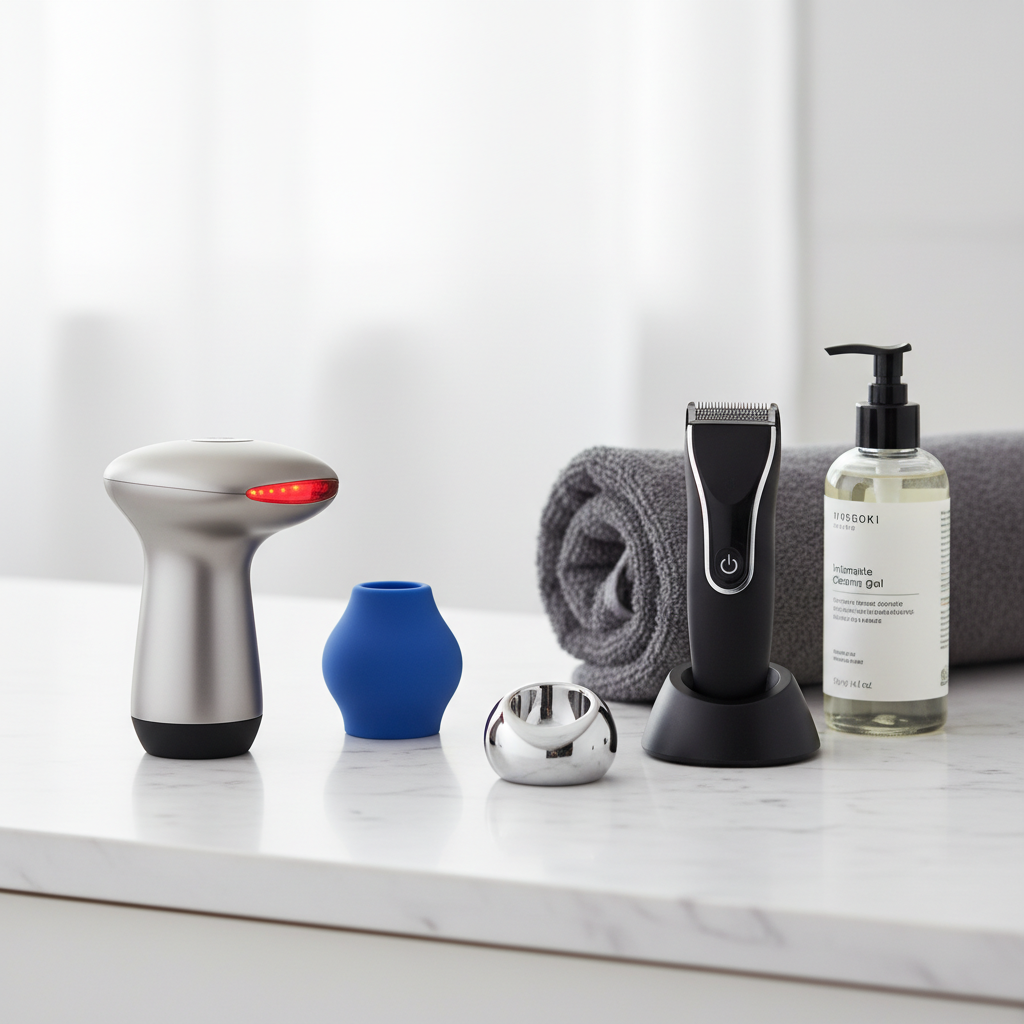
An Informational Guide to Top Rated Male Intimate Health Devices
The landscape of men's personal wellness has expanded significantly, with technology playing a pivotal role in developing devices aimed at supporting and enhancing intimate health. These tools leverage various scientific principles, from biofeedback to acoustic wave energy, to address different aspects of male physiological function. Understanding the types of devices available, their mechanisms of action, and their intended purposes is key to navigating this growing market. Below is a comprehensive overview of some of the top-rated categories of male intimate health devices, explained in a purely informational context.
1. Pelvic Floor Trainers with Biofeedback
Often associated with Kegel exercises, male pelvic floor trainers are sophisticated devices designed to help men identify, strengthen, and control their pelvic floor muscles. These muscles are crucial for bladder control, core stability, and sexual function. Modern trainers have moved beyond simple instruction, incorporating biofeedback technology to provide real-time data and guidance. Typically, this involves a small sensor or probe that, when used, measures the pressure and contraction of the pelvic floor muscles.
This data is then transmitted to a smartphone app, which visualizes the user's performance through interactive games and exercises. The app tracks progress over time, showing improvements in strength, endurance, and coordination. By providing this direct feedback, users can ensure they are performing the exercises correctly and effectively, which is a common challenge when relying on instruction alone. The primary benefit is improved neuromuscular control, which can positively impact urinary continence and ejaculatory control.
2. At-Home Acoustic Wave Therapy Devices
Acoustic wave therapy, known in clinical settings as Low-Intensity Extracorporeal Shockwave Therapy (LI-ESWT), is a technology that uses sound waves to promote physiological responses in tissue. At-home devices have been developed to make this technology more accessible, aiming to support circulatory health in the male reproductive system. These devices work by delivering targeted, high-frequency acoustic waves to the penile tissue. The mechanical stress and micro-trauma created by these waves are believed to stimulate the body's natural healing processes.
The proposed mechanism of action involves several key biological responses. First, it is thought to trigger neovascularization, which is the formation of new blood vessels. Second, it may help to break down micro-plaque that can accumulate in existing vessels, thereby improving blood flow. Enhanced circulation is fundamental to erectile function. Users typically follow a protocol of regular sessions over several weeks. It is a non-invasive approach focused on addressing one of the underlying physiological factors related to erectile quality.
3. Vacuum Erection Devices (VEDs)
Vacuum Erection Devices are a well-established mechanical solution for managing erectile dysfunction (ED). A VED consists of three main parts: a plastic cylinder that is placed over the penis, a pump (either manual or battery-operated) attached to the cylinder, and a constriction ring or band that is placed at the base of the penis. The device works on a simple principle of negative pressure. When the pump is activated, it removes air from the cylinder, creating a vacuum that draws blood into the penis, causing it to become erect.
Once a firm erection is achieved, the constriction ring is slipped from the base of the cylinder to the base of the penis. This ring helps to trap the blood and maintain the erection for the duration of intercourse. VEDs are often recommended by healthcare professionals because they are non-invasive, drug-free, and highly effective for many users. They are considered a safe and reliable method for achieving an erection on demand, regardless of the underlying cause of ED.
4. Red Light Therapy Devices
Red light therapy, also known as photobiomodulation (PBM), is an emerging wellness technology being applied to various aspects of health, including male intimate wellness. These devices utilize specific wavelengths of red and near-infrared (NIR) light, which are capable of penetrating the skin and being absorbed by cells. The core principle is that this light energy stimulates the mitochondria, the "powerhouses" within cells, to produce more adenosine triphosphate (ATP). ATP is the primary energy currency of the cell, and an increase in its production can lead to enhanced cellular function and repair.
For male intimate health, these targeted devices are designed to be used on the perineal and genital areas. The purported benefits are linked to improved circulation and reduced oxidative stress. By boosting cellular energy and promoting blood flow, red light therapy may support tissue health and function. These devices are typically designed for easy, at-home use, requiring consistent sessions where the light is applied for a specific duration. It represents a gentle, non-invasive approach aimed at supporting health at a cellular level.
5. Penile Vibratory Stimulation (PVS) Devices
Penile Vibratory Stimulation devices are medical-grade tools designed specifically to elicit a neurological response. They are distinct from conventional personal massagers in that they operate at a very high frequency and amplitude, which is necessary to trigger the ejaculatory reflex. These devices are primarily used in a clinical or at-home medical context for men with specific conditions, such as anejaculation (the inability to ejaculate) resulting from spinal cord injuries or other neurological issues.
The device is typically applied to the frenulum (the underside of the head of the penis), where nerve endings are highly concentrated. The intense, high-frequency vibrations overload the sensory nerves, sending a strong signal up the spinal cord to the brain, which then triggers the reflex. For men facing challenges with ejaculation, PVS can be a highly effective, non-pharmacological method for retrieving semen for fertility purposes or for experiencing orgasm. Its function is purely neurological, focusing on stimulating a specific reflex pathway rather than addressing muscular or circulatory issues.
The Evolution of Male Intimate Health Technology
The journey of male intimate health devices reflects a broader trend in personal wellness: a shift from simple mechanical aids to sophisticated, data-driven, and therapeutic technologies. Decades ago, the options were largely limited to mechanical tools like the Vacuum Erection Device (VED), which offered a straightforward, physical solution to a physical problem. These devices were revolutionary for their time, providing a reliable, drug-free alternative for managing erectile dysfunction.
The digital age ushered in the next wave of innovation with the introduction of electronics and biofeedback. Pelvic floor trainers transformed the abstract concept of a Kegel exercise into a tangible, measurable activity. By connecting a physical sensor to a smartphone app, users could suddenly see their muscle contractions, track their progress, and engage in "gamified" routines. This shift empowered users with data, turning a private exercise into an informed training regimen. More recently, the focus has expanded to include therapeutic energy-based technologies. Devices using acoustic waves and red light therapy represent a move toward addressing cellular and circulatory health, aiming to support the body's own regenerative processes rather than just managing symptoms. This evolution highlights a growing understanding of male physiology and a desire for proactive, holistic approaches to intimate wellness.
Key Considerations for Male Intimate Health
As the market for these devices grows, it's important for individuals to understand how to approach them safely and effectively. Making an informed choice involves more than just selecting a product; it requires understanding personal health needs, the technology itself, and best practices for use.
How to Choose the Right Device for Your Needs
The most critical first step before using any intimate health device is to consult with a healthcare professional, such as a urologist or a men's health specialist. A proper diagnosis is essential to understand the root cause of any issue, whether it's related to muscle control, circulation, nerve function, or psychological factors. A doctor can help determine if a device is appropriate and which type would be most beneficial for your specific circumstances.
Once you have professional guidance, consider your specific goals. If the objective is to improve bladder control or ejaculatory endurance, a pelvic floor trainer with biofeedback may be the most suitable tool. If the primary concern is erectile function related to blood flow, a VED or an acoustic wave device might be more relevant. For those interested in a non-invasive, cellular-level wellness approach, red light therapy could be an area to explore. The choice should align directly with the physiological system you aim to support.
Understanding the Science: How Do These Devices Work?
Grasping the basic mechanism of action is key to setting realistic expectations. The devices fall into several broad categories based on the principles they employ. Mechanical devices, like VEDs, use physical forces (negative pressure) to create an immediate, temporary result. Biofeedback devices act as training tools, helping you improve your own body's muscular control over time through guided exercise. They don't do the work for you; they teach you how to do it better.
Energy-based therapeutic devices, such as acoustic wave and red light therapy tools, work on a more foundational, biological level. They introduce energy (in the form of sound or light) into the body's tissues to stimulate natural processes like cell repair and increased blood flow. Their effects are typically cumulative and develop over a period of consistent use rather than being instantaneous. Understanding this distinction is crucial for committing to the proper usage protocol and having patience with the results.
Safety and Best Practices
Safety should always be the top priority. Always read and strictly follow the manufacturer's instructions for any device. This includes guidelines on session duration, frequency, and intensity settings. It is often wise to start with the lowest possible setting to see how your body responds before gradually increasing it. Pay close attention to your body and discontinue use if you experience any pain, discomfort, or adverse effects, and consult your doctor.
Hygiene is another critical aspect of safe use. Devices that come into contact with the body must be cleaned thoroughly before and after each use according to the instructions. The materials used in a device—such as body-safe silicone, ABS plastic, or glass—will determine the appropriate cleaning agents. Proper maintenance not only ensures safety but also extends the lifespan of the device. Finally, consistency and realistic expectations are paramount. These are not magic wands but tools that, when used correctly and consistently as part of a broader health-conscious lifestyle, can support intimate wellness.
Conclusion
The field of male intimate health has seen remarkable technological advancement, offering a diverse range of devices that operate on principles from simple mechanics to advanced cellular stimulation. Tools like pelvic floor trainers, acoustic wave therapy devices, VEDs, and red light therapy systems each target different physiological aspects of male wellness. Understanding the function and purpose of each category is the first step toward making an informed decision. Ultimately, the most effective approach involves professional medical guidance to ensure that the chosen device aligns with individual health needs and goals, promoting safe and beneficial use.
For more information on men's health topics, you can visit these reputable sources: