A Guide to the Top 5 Trusted Intimate Washes for Women
Navigating the world of feminine hygiene can feel overwhelming, so we've done the research for you. This guide breaks down the top five intimate washes specifically designed to support women's health.
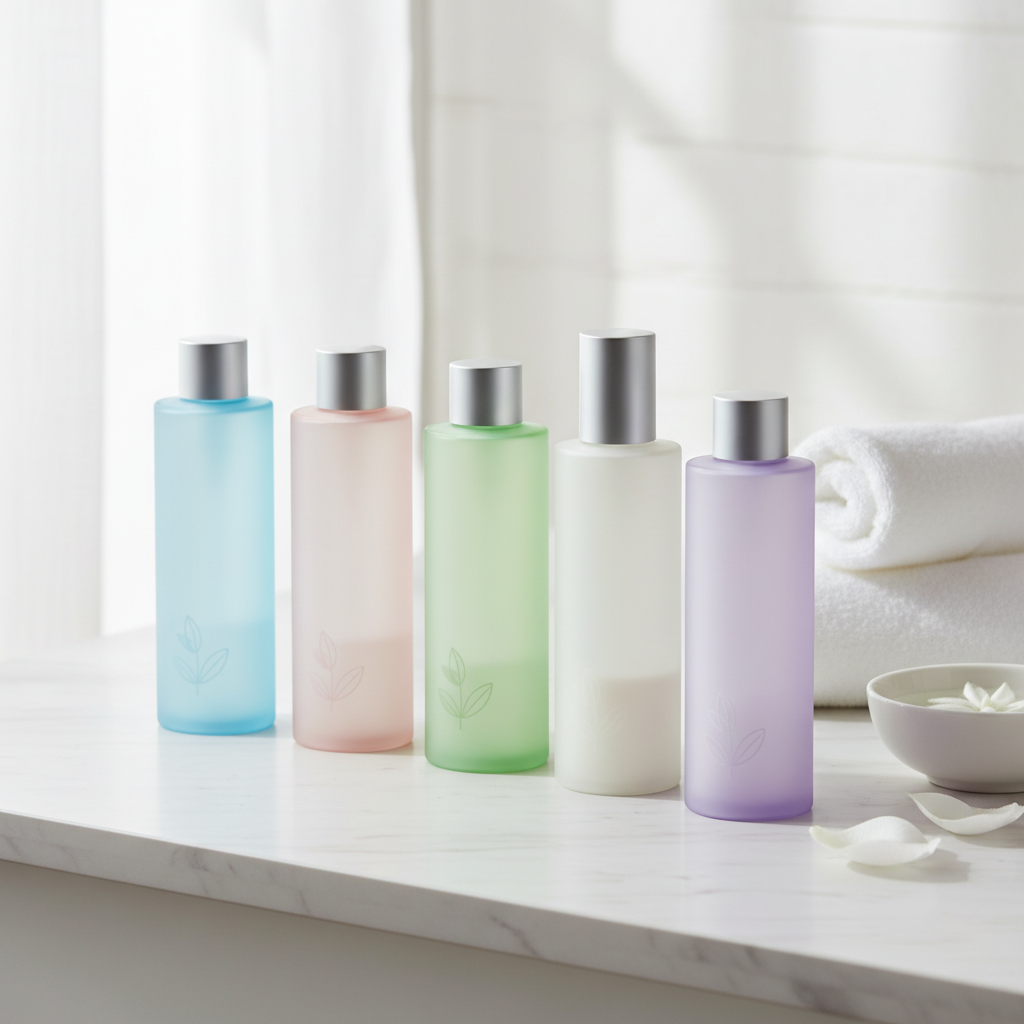
Top 5 Intimate Washes for Women: A Comprehensive Guide
Maintaining intimate hygiene is a crucial aspect of overall health and well-being for women. The delicate skin in the vaginal area has a specific pH balance that, when disrupted, can lead to discomfort, irritation, and potential infections. While regular soaps and body washes can be too harsh, specially formulated intimate washes are designed to cleanse gently while respecting the natural environment. This guide explores five top-tier intimate washes, focusing on their unique formulations and benefits to help you understand what might be the best fit for your personal care routine.
1. The pH-Balanced Everyday Cleanser
This category represents the cornerstone of intimate hygiene products. A pH-balanced cleanser is meticulously formulated to match the natural acidic pH of the vagina, which typically ranges from 3.8 to 4.5. By maintaining this acidity, the wash helps support the growth of beneficial bacteria, like lactobacilli, which act as a natural defense mechanism against harmful pathogens. Using a cleanser that aligns with this specific pH range helps prevent the disruption that can be caused by alkaline soaps or body washes, which often have a pH of 9 or 10. This can reduce the risk of common issues like bacterial vaginosis and yeast infections, making it an excellent choice for daily use.
These formulas are typically very gentle and free from harsh detergents. They often contain ingredients like lactic acid, which not only helps maintain the acidic environment but also promotes hydration. Many are also gynecologist-tested and hypoallergenic, ensuring they are safe for most women, even those with moderately sensitive skin. The primary goal of this type of wash is not to "disinfect" but to gently cleanse away sweat, residue, and odor-causing bacteria without stripping the area of its natural protective oils and flora. It's the ideal starting point for anyone new to intimate washes or for those seeking a reliable, no-fuss daily option.
2. The Natural and Botanical-Infused Formula
For individuals who prefer products with plant-derived ingredients, a natural and botanical-infused intimate wash is an excellent option. These formulas leverage the power of nature to provide gentle cleansing and soothing benefits. Common ingredients include aloe vera, known for its powerful moisturizing and anti-inflammatory properties, which can help calm irritated skin. Chamomile is another popular addition, celebrated for its soothing effects and ability to reduce redness. Tea tree oil is sometimes included for its natural antiseptic and antifungal properties, which can help manage odor and keep harmful bacteria in check, though it should be used in very mild concentrations to avoid irritation.
What sets these washes apart is their commitment to avoiding synthetic chemicals, fragrances, parabens, and sulfates. They are often vegan, cruelty-free, and formulated with certified organic ingredients. This makes them a fantastic choice for those with a clean beauty philosophy or individuals who have known sensitivities to artificial additives. The gentle cleansing action comes from plant-based surfactants, which effectively clean without being overly harsh. These washes provide a sense of comfort and reassurance, knowing that you are using ingredients that are both effective and kind to your body's most delicate area.
3. The Ultra-Gentle Hypoallergenic Wash for Sensitive Skin
Women with highly sensitive skin or those prone to allergies and irritation require a product that is stripped of all potential irritants. An ultra-gentle, hypoallergenic intimate wash is specifically designed for this purpose. These formulations are characterized by what they lack: they are almost always free of fragrances, dyes, parabens, sulfates (like SLS and SLES), and harsh preservatives. Fragrance, whether synthetic or natural (from essential oils), is one of the most common causes of contact dermatitis and irritation in the vulvar area, making a fragrance-free option essential for many.
Instead of focusing on botanicals or complex ingredients, these washes use a minimal number of simple, proven-gentle components. You might find soothing agents like glycerin for hydration and very mild, non-irritating cleansing agents derived from coconuts or other gentle sources. They are typically dermatologist and gynecologist-tested to ensure maximum safety and minimal risk of allergic reaction. For anyone who experiences itching, redness, or discomfort after using regular hygiene products, this category of intimate wash offers a safe, calming, and effective cleansing solution that prioritizes skin health above all else.
4. The Lactic Acid-Enriched Formula
While many pH-balanced washes contain lactic acid, some formulas make it a star ingredient, emphasizing its role in supporting the vaginal microbiome. Lactic acid is naturally produced by lactobacilli, the good bacteria that dominate a healthy vaginal ecosystem. It is the primary substance responsible for creating the acidic environment that prevents the overgrowth of harmful microbes. An intimate wash enriched with a higher concentration of lactic acid can actively help to restore and maintain this crucial acidic mantle, especially during times when it might be compromised, such as during menstruation, after intercourse, or during hormonal shifts.
These washes go beyond simple cleansing; they are designed to be therapeutic by actively promoting a healthy flora balance. They can be particularly beneficial for women who are prone to recurrent infections or notice frequent imbalances. The formula helps to create an inhospitable environment for odor-causing bacteria and pathogens that thrive in more alkaline conditions. By reinforcing the body's natural defenses, a lactic acid-enriched wash offers a proactive approach to intimate health, ensuring the delicate ecosystem remains strong, resilient, and in balance.
5. The Moisturizing and Soothing Wash
Dryness and irritation are common complaints, often exacerbated by hormonal changes (such as during menopause or postpartum), certain medications, or simply having naturally dry skin. A moisturizing intimate wash is specifically formulated to address these concerns by providing hydration and comfort during and after cleansing. These products are packed with humectants and emollients that attract and lock in moisture, preventing the tight, uncomfortable feeling that can result from using drying cleansers. Key ingredients often include glycerin, hyaluronic acid, vitamin E, and natural oils like jojoba or almond oil.
The focus of these washes is twofold: to cleanse gently without stripping natural oils and to deliver a layer of soothing hydration. Ingredients like allantoin or calendula extract may also be included for their skin-calming properties, helping to reduce any existing redness or irritation. This type of wash is ideal for anyone experiencing vaginal dryness or for those who find other cleansers to be too stripping. It transforms a daily hygiene routine into a comforting, nourishing experience, leaving the skin feeling soft, supple, and comfortable throughout the day.
Why pH Balance is Crucial for Vaginal Health
The concept of pH balance is central to understanding intimate female hygiene. The pH scale, which runs from 0 to 14, measures acidity and alkalinity. A pH below 7 is acidic, 7 is neutral, and above 7 is alkaline. A healthy vagina maintains an acidic pH, typically between 3.8 and 4.5. This acidic environment is not accidental; it is a finely tuned defense mechanism created by beneficial bacteria called lactobacilli. These microorganisms thrive in acidic conditions and produce lactic acid, which helps keep the population of harmful bacteria, yeast, and other pathogens in check.
When this delicate pH balance is disrupted, the environment can become more alkaline. This shift weakens the natural defenses, allowing harmful microbes to multiply, which can lead to conditions like bacterial vaginosis (BV), characterized by a fishy odor and unusual discharge, or yeast infections (candidiasis). Many common products and activities can disrupt this balance, including ordinary bar soap and body washes (which are highly alkaline), douching, certain lubricants, and even semen. Using a specially formulated intimate wash that is pH-balanced helps to cleanse the external vulvar area without disturbing the internal vaginal ecosystem, supporting the body's natural ability to stay healthy.
Common Questions About Intimate Washes
Can You Use Regular Soap or Body Wash for Intimate Hygiene?
While it might seem convenient to use the same product for your entire body, regular soap and body wash are generally not recommended for the intimate area. The primary reason is their high pH level. Most soaps are alkaline, with a pH ranging from 9 to 10, which is far from the vagina's natural acidic range. Using such a product can neutralize the natural acidity of the vulva and surrounding area, disrupting the protective barrier maintained by lactobacilli. This can create an environment where harmful bacteria can flourish, increasing the risk of odor, irritation, and infections.
Furthermore, many body washes contain harsh detergents, such as Sodium Lauryl Sulfate (SLS), as well as artificial fragrances and dyes. These ingredients are formulated to cut through oil and dirt on tougher skin like your arms and legs but can be extremely irritating to the delicate, sensitive tissue of the vulva. They can strip the area of its natural moisturizing oils, leading to dryness, itching, and inflammation. A dedicated intimate wash is formulated to be much milder, using gentle cleansing agents that clean effectively without causing these negative side effects, all while respecting the crucial pH balance.
What Ingredients Should You Look For (and Avoid)?
Reading the ingredient list is one of the most important steps in choosing the right intimate wash. For a safe and effective product, look for beneficial ingredients that support skin health. Lactic acid is a top ingredient, as it helps maintain the natural acidic pH. Glycerin is an excellent humectant that draws moisture into the skin, preventing dryness. Natural extracts like aloe vera, chamomile, and calendula are known for their soothing and anti-inflammatory properties, making them great for calming sensitive skin.
Equally important are the ingredients to avoid. Steer clear of harsh sulfates (SLS and SLES), which are aggressive detergents that can cause significant dryness and irritation. Parabens (like methylparaben or propylparaben) are preservatives that some people prefer to avoid due to concerns about hormonal disruption. Perhaps the biggest culprit for irritation is fragrance or "parfum." Both synthetic and natural fragrances can cause allergic reactions and sensitivity in the delicate vulvar area. It's also wise to avoid products containing dyes, alcohol, and other harsh chemicals that serve no beneficial purpose in an intimate cleanser.
Conclusion
Choosing the right intimate wash is a personal decision that depends on your skin type, sensitivity, and specific health needs. Whether you opt for a simple pH-balanced formula, a natural botanical blend, or an ultra-gentle wash for sensitive skin, the goal is the same: to cleanse effectively without disrupting the delicate natural environment of the intimate area. By understanding the importance of pH balance and being mindful of ingredients, you can confidently select a product that enhances your comfort, supports your health, and makes a positive contribution to your daily self-care routine.