A Step-By-Step Guide to Applying for a Loan Using Interac E-Transfer
Discover the step-by-step process to apply for a loan with Interac e-Transfer. Find out how this convenient option can make loan applications smoother without promising any guaranteed results.
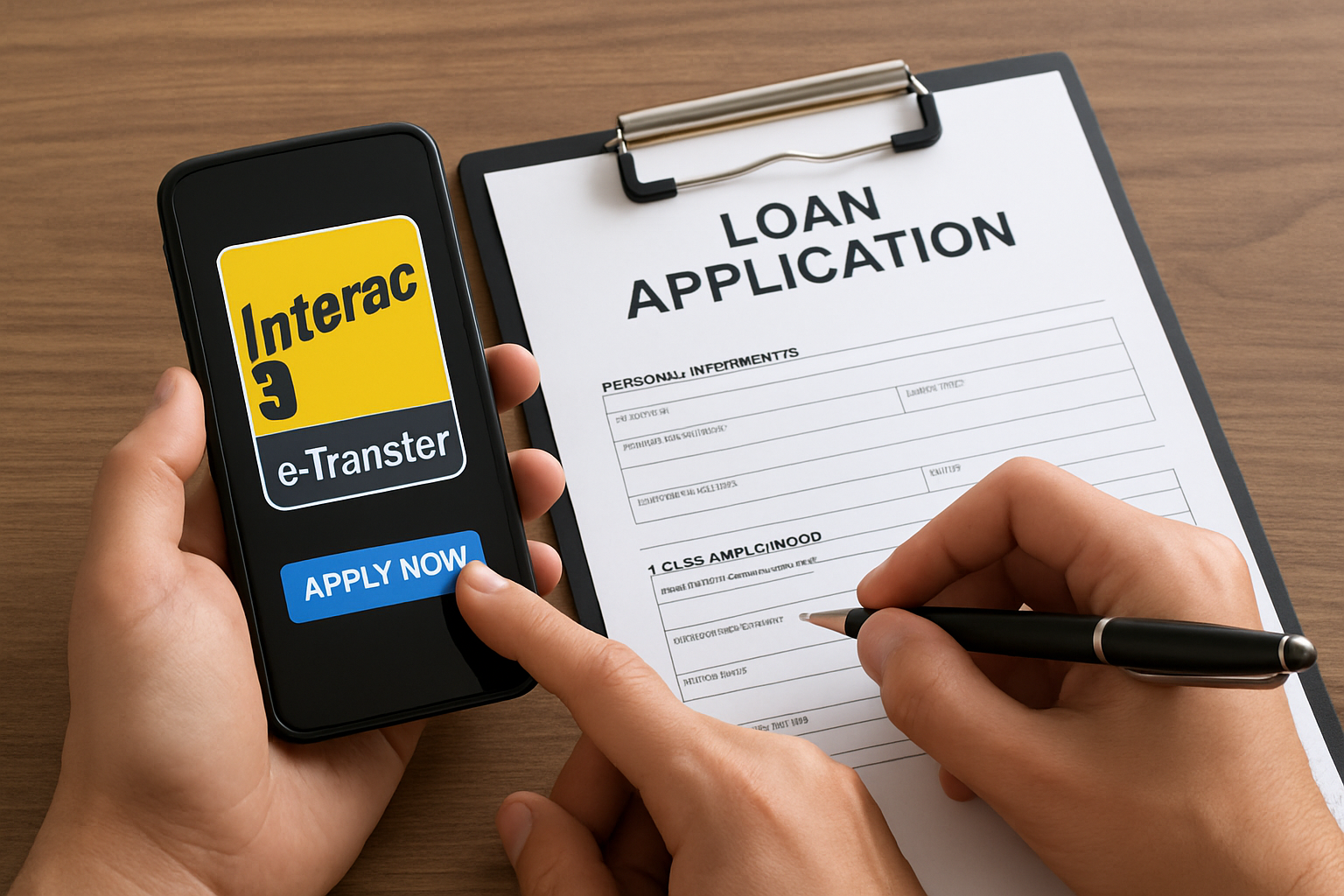
Understanding Loans and Interac E-transfer
In today's digital age, applying for a loan has evolved significantly. One of the modern conveniences borrowers are leveraging is the ability to integrate Interac E-transfers into their loan application processes. While this might sound complex, it is essentially about using a trusted and seamless digital payment system to enhance the loan application and funding experience.
But before you dive into the application process, it's essential to understand both the concept of loans and how Interac E-transfer fits into this landscape. Here, we'll break down everything you need to know.
What is a Loan?
At its core, a loan is a sum of money that one individual, organization, or entity lends to another with the expectation of repayment over time, typically with added interest. Loans come in various forms, including personal loans, mortgages, and small business loans, each with specific terms and conditions tailored to particular borrowing needs.
What is Interac E-transfer?
Interac E-transfer is a popular method for transferring money electronically in Canada. It allows users to send and receive funds via email or text, directly between Canadian bank accounts, without requiring banking details from the recipient. It's secure, fast, and convenient, making it an attractive option for both personal and business transactions.
How to Apply for a Loan with Interac E-transfer
Applying for a loan with the aid of Interac E-transfer can streamline the application and disbursement process. Here's how you can do it effectively:
1. Choose a Suitable Lender
Not all lenders offer Interac E-transfer as an option for loan disbursements, so start by identifying lenders who do. Look for credit unions, banks, or online financial institutions known to uphold secure and efficient digital transactions.
- Check lender reviews and ratings to ensure reliability.
- Look at the interest rates offered and compare them with traditional loan options.
- Ensure the lender is compliant with Canadian financial regulations.
2. Gather Necessary Documents
Prepare the following documents before starting your loan application:
- A valid form of identification (such as a driver's license or passport).
- Proof of address (like a utility bill or lease agreement).
- Financial statements and proof of income (bank statements, pay stubs).
- Credit history report.
Having these documents ready will smoothen the application process and show the lender that you are well-prepared and organized.
3. Complete Loan Application
Once you've chosen a lender and gathered your documents, proceed to fill out the loan application form. Most lenders will have an online application platform, which is convenient and quick. Typically, you will need to provide personal information, details about your financial situation, and how you plan to use the loan.
4. Specify Interac E-transfer for Disbursement
During or after the application process, you will usually have the option to choose how you want to receive your loan funds. Opt for Interac E-transfer. You'll need to provide the email or phone number linked to your bank account to facilitate the E-transfer.
The advantage here is the speed and convenience of receiving loan funds, often within minutes of approval and the lender's disbursement. This immediacy can be crucial, especially for time-sensitive needs.
Benefits and Considerations
Like any financial transaction, using Interac E-transfer for loans has its pros and cons. Here's a closer look:
Benefits
- Speed: The fastest method to receive loan funds after approval, often taking minutes.
- Security: Interac E-transfer employs high encryption and cannot be intercepted mid-transfer.
- Convenience: Uses email or mobile numbers to disburse funds, eliminating the need for manual banking details.
Considerations
- Fees: Some banks may charge nominal fees for receiving Interac E-transfers.
- Compatibility: Ensure your bank supports Interac E-transfer transactions to avoid any issues.
- Transaction Limits: Be aware of daily or transaction limits that might apply to receiving funds.
Recent Trends and Insights
In 2026, the use of digital banking tools, including Interac E-transfer, continued to grow robustly. The Canadian Payments Association reported that over 60% of financial transactions in Canada now occur through digital mediums, showcasing the shift towards more tech-centric financial solutions.
Moreover, a recent survey by the Canadian Bankers Association revealed that 75% of Canadians have used Interac E-transfer in some form in 2026, up significantly from previous years. This trend indicates a growing trust and reliance on digital payment solutions, further bolstering their use in loan processes.
Such rising statistics reinforce the notion that incorporating Interac E-transfers in loan applications is not only modern but also reflects broader economic trends in digital banking.
Conclusion
Applying for a loan using Interac E-transfer is a convenient, secure, and efficient option in today's digital world. By choosing the right lender, preparing necessary documents, and understanding the process, you can streamline your loan application. As digital trends continue to evolve, staying informed and adapting to new payment methods can provide significant benefits.
For further information, consider consulting reliable financial institutions or digital payment insights from credible sources such as the Interac website or the Canadian Bankers Association.