A Veteran's Guide to Selecting the Best VA Home Loan Lender
Choosing the right VA home loan lender can feel overwhelming, but with the right insights, you can confidently navigate your options. You'll want lenders who offer competitive rates, excellent service, and a solid understanding of VA loans.
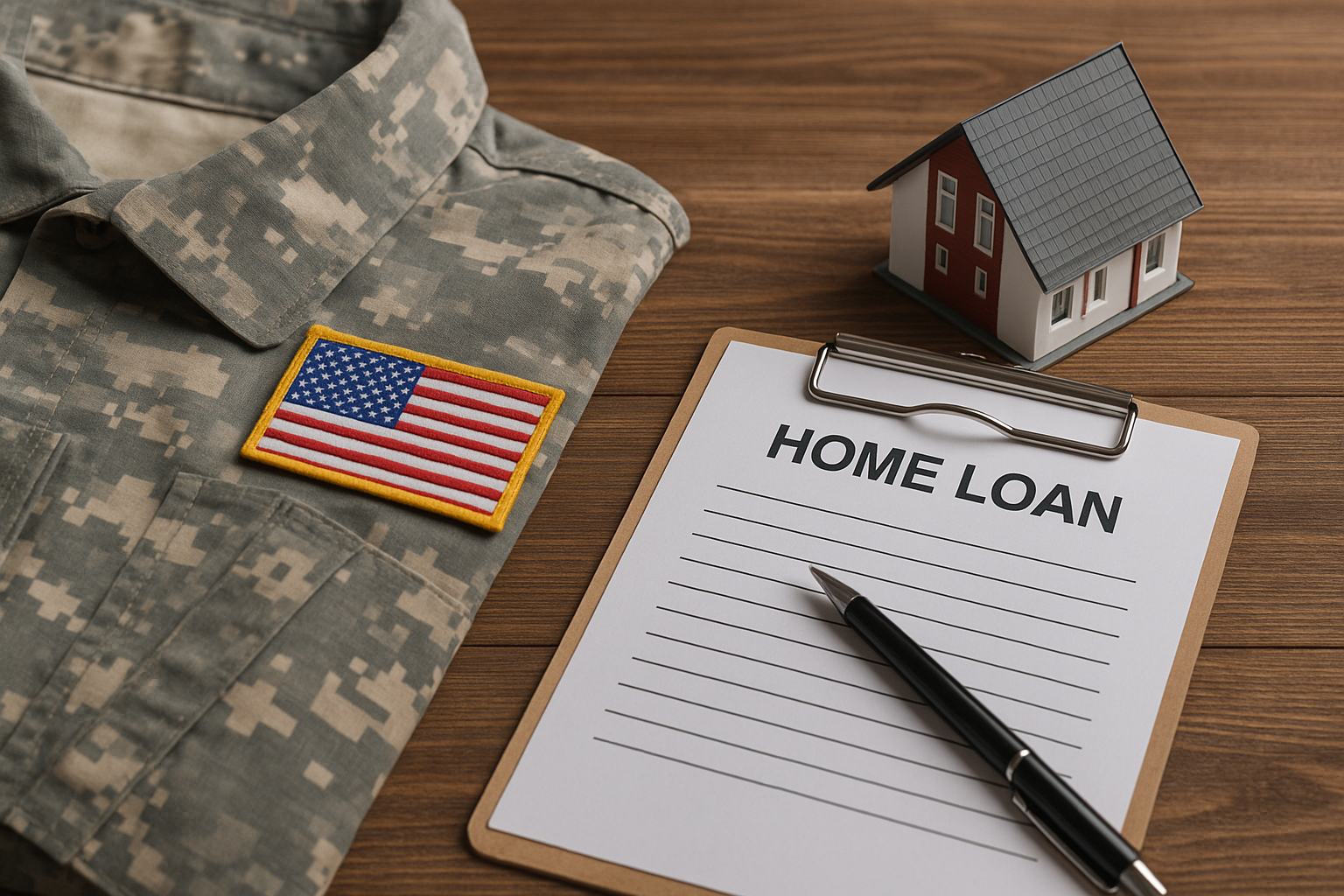
Understanding VA Home Loans
The journey to homeownership can be both exciting and daunting, especially for veterans and active-duty service members who are considering a VA home loan. As a benefit exclusive to veterans, VA home loans offer numerous advantages, including no down payment requirements and competitive interest rates. However, choosing the right VA home loan lender is crucial for maximizing these benefits.
What Is a VA Home Loan?
Before selecting a lender, it’s important to understand what a VA home loan entails. A VA loan is a mortgage option available through a program established by the United States Department of Veterans Affairs. It’s specifically designed to help veterans, service members, and eligible surviving spouses become homeowners.
These loans are made by private lenders, such as banks and mortgage companies, but the VA guarantees a portion of the loan, making it less risky for lenders and allowing for favorable terms.
Why Select the Right Lender?
Choosing the right lender is more than a matter of finding someone who offers good rates. The right lender should understand the nuances of the VA loan process and offer support throughout your journey. Here are key reasons why lender selection is crucial:
- Experience and Specialization: Lenders specializing in VA loans are more familiar with the specific requirements and can often expedite the process.
- Terms and Conditions: Different lenders might offer varied interest rates or fees, impacting the overall cost of your mortgage.
- Customer Service: Supportive and transparent communication can significantly ease the stress associated with home buying.
Key Factors to Consider When Choosing a VA Home Loan Lender
1. VA Loan Expertise
A lender with extensive experience in VA loans can be incredibly advantageous. They can provide insight into the process, help you avoid common pitfalls, and make the experience smoother. When evaluating potential lenders, inquire about the number of VA loans they’ve processed and their familiarity with VA-specific requirements.
2. Interest Rates and Fees
Interest rates significantly affect the total cost of your loan. It’s crucial to compare offers from multiple lenders to ensure you are getting competitive rates. In addition to interest rates, consider other fees associated with the loan, such as origination fees, closing costs, and any possible VA funding fees.
3. Lender Reviews and Reputation
Researching lender reviews can provide valuable insights into their reputation and the experiences of other borrowers. Websites like the Better Business Bureau and Trustpilot are good places to start. Additionally, personal recommendations from fellow veterans can be incredibly trustworthy.
4. Pre-Approval Process
Getting pre-approved for a VA loan can clarify your budget and show sellers that you are serious about purchasing a home. Evaluate how responsive a lender is during the pre-approval process, as this can indicate how they will handle the rest of your loan journey.
The VA Loan Process
Eligibility Requirements
The first step in obtaining a VA loan is verifying your eligibility. Eligible individuals typically include veterans who served during wartime or peacetime and active-duty members with sufficient service. A Certificate of Eligibility (COE) is necessary and can be obtained through the VA or sometimes directly through your lender.
Applying for a VA Loan
Once you’ve identified a lender, the application process typically involves an assessment of your financial status, including income, credit, and employment history. The lender will utilize this information to determine your loan terms and qualifications, keeping in mind the VA’s requirements and guidelines.
Approval and Closing
After submitting your application, your lender will underwrite your loan to determine your financial capability. If approved, you will move to the closing process, where all legal papers are signed, and the loan is officially funded.
In recent years, VA loans have become more accessible with advancements in technology. Many lenders now offer online applications and virtual document submission, speeding up the entire process.
Recent Trends in VA Home Loans (2026)
As of 2026, there has been a noticeable increase in VA loan applications as more veterans become aware of this valuable benefit. Recent data from the U.S. Department of Veterans Affairs reported a 15% increase in VA loan usage year over year.
Another trend is the shift towards digital: studies show that over 55% of veterans prefer handling their mortgage processes online. This move towards digitization is reshaping the way lenders operate, making it vital for lenders to adopt modern tools and systems to stay competitive. (Source: National Mortgage News)
Conclusion
Choosing the right VA home loan lender involves thorough research and consideration of several key factors. While interest rates and fees are crucial, other elements like experience, reputation, and customer service significantly impact the overall borrowing experience. As VA loans continue to rise in popularity, it’s essential for veterans and service members to leverage these insights to secure their dream homes.
Always remember to consult multiple sources, compare different options, and select a lender who truly understands and values veterans’ unique needs. By doing so, you will not only secure favorable loan terms but also enjoy a smoother, more supportive home buying journey.