Achievable and Safe Techniques for Reducing Belly Fat
Discover the top 8 effective ways to lose belly fat without overpromising results. While achieving your fitness goals takes time and effort, these practical tips can help you on your journey to lose belly fat.
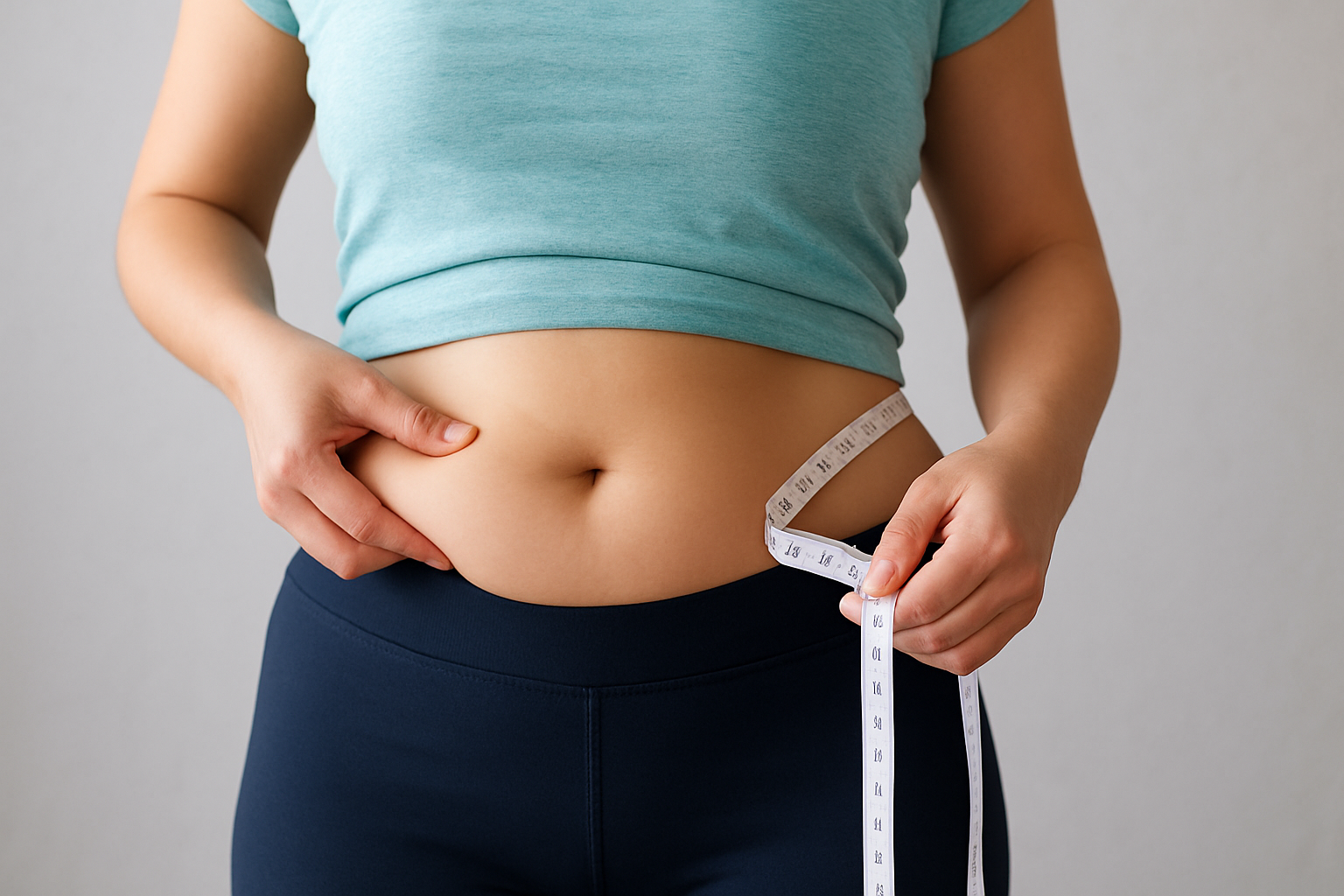
Understanding Belly Fat
Belly fat is not just a cosmetic issue; it holds significant health implications. There are two types of belly fat: subcutaneous fat, which lies under the skin, and visceral fat, which encases your abdominal organs. Visceral fat is particularly harmful, linked to heart disease, type 2 diabetes, and other metabolic disorders.
Recent studies emphasize that even at a healthy weight, excess visceral fat can elevate disease risks (Harvard Health). Hence, reducing belly fat is beneficial for more than just achieving a leaner appearance—it's crucial for overall health.
Effective Ways to Lose Belly Fat
1. Prioritize a Balanced Diet
Your diet plays a crucial role in fat loss. Focus on a nutrient-rich, balanced diet that includes:
- Whole grains: Swap out refined carbs for whole grains like brown rice, oats, and whole wheat.
- Lean protein: Incorporate proteins like chicken, fish, beans, and legumes to boost metabolism and satiety.
- Healthy fats: Choose fats like avocados, olive oil, and nuts, which can help reduce inflammation and support heart health.
- Fruits and vegetables: Fill half your plate with a colorful array of fruits and vegetables, rich in fiber and low in calories.
Research from 2026 indicates that a diet high in plant-based foods and low in processed items is effective in reducing visceral fat (National Institutes of Health).
2. Engage in Regular Physical Activity
Regular exercise is essential for storing less fat. Aim for a combination of:
- Aerobic exercises: Activities like walking, jogging, cycling, and swimming can help burn calories and improve your metabolic rate.
- Strength training: Resistance exercises increase muscle mass, which can lead to higher calorie burn at rest. Include exercises like weightlifting, push-ups, and squats.
- High-Intensity Interval Training (HIIT): These short bursts of intense exercise mixed with rest periods help burn more fat in less time.
A 2026 meta-analysis found that HIIT is especially effective in reducing abdominal fat when compared to moderate-intensity continuous training (European Society of Cardiology).
3. Get Sufficient Sleep
Lack of sleep is linked to weight gain, including increased belly fat. Aim for 7-9 hours of quality sleep per night. Sleep deprivation can alter hunger hormones and may cause you to consume more calories (Sleep Foundation).
4. Manage Stress Effectively
Chronic stress contributes to weight gain by triggering the release of cortisol, a hormone that can increase appetite and promote abdominal fat storage. Incorporate stress management techniques such as:
- Meditation and mindfulness practices.
- Yoga or tai chi.
- Engaging in hobbies that promote relaxation.
A 2026 survey highlights that individuals practicing regular meditation experienced lower visceral fat gain compared to non-practitioners.
5. Stay Hydrated
Drinking enough water is essential for overall health and can aid in weight management. Water helps boost your metabolism, cleanse the body of waste, and act as an appetite suppressant. Try to drink at least 8 cups of water a day, and more if you're active.
6. Monitor Portion Sizes
Eating too much of even healthy foods can lead to weight gain. Pay attention to portion sizes and try to eat slowly, which allows your brain to register when you are full.
7. Avoid Sugary Drinks
Sugary drinks like soda, energy drinks, and sweetened juices can contribute significantly to weight gain. Opt for water, herbal teas, or black coffee instead to cut down on unnecessary calories.
8. Reduce Alcohol Consumption
Excessive alcohol intake is directly linked to increased belly fat. Limit alcohol intake to moderate levels to prevent fat accumulation and protect various health aspects linked to excessive drinking.
Conclusion
Reducing belly fat requires a multi-faceted approach that involves dietary changes, physical activity, stress management, and lifestyle adjustments. Implementing these strategies consistently can lead to significant improvements in your waistline and general well-being. Remember, it's not about extreme dieting or strenuous workouts, but about making sustainable lifestyle changes that promote health for the long term.