Achieving Weight Loss Goals with the Guidance of Virtual Fitness Trainers
Thinking about using a virtual fitness trainer to help with weight loss? It's a powerful approach that goes far beyond just having access to workouts on your screen.
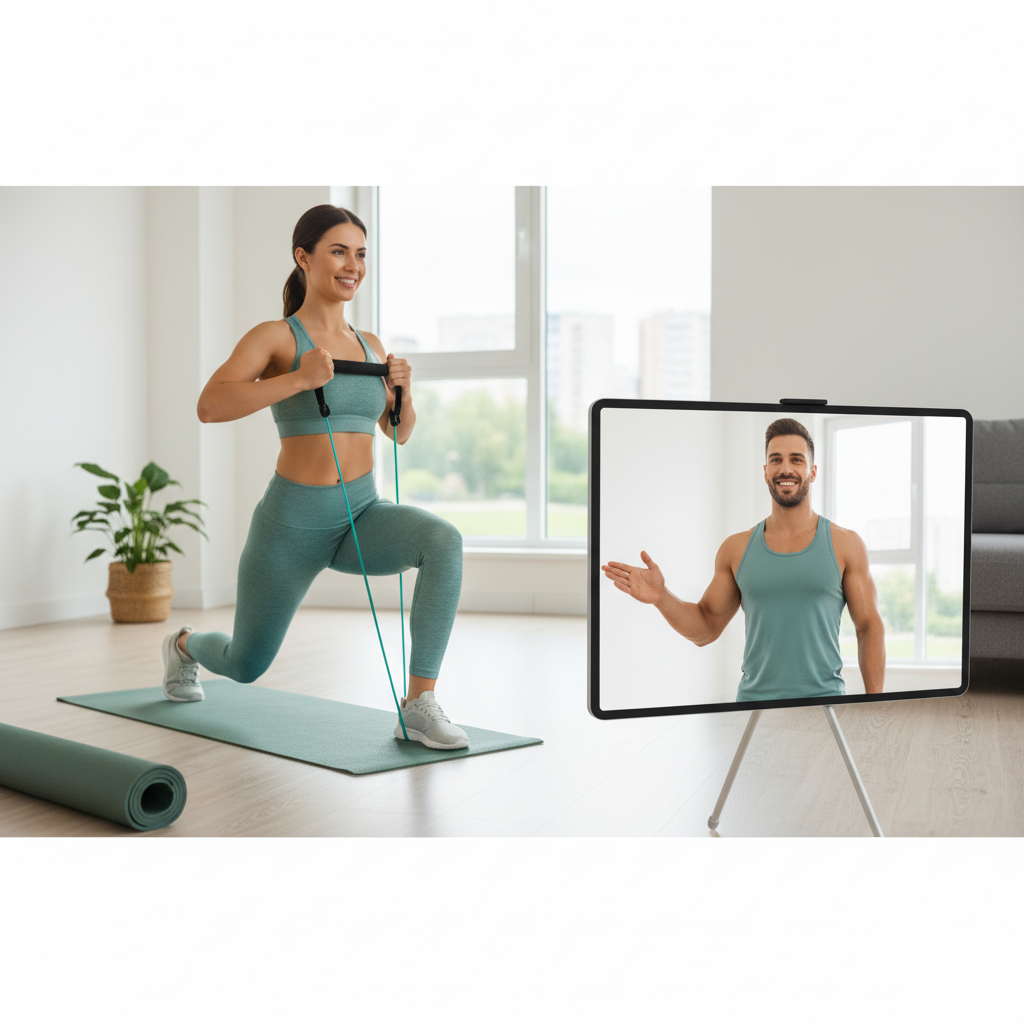
How Virtual Fitness Trainers Can Revolutionize Your Weight Loss Journey
In an increasingly digital world, the fitness industry has undergone a significant transformation. One of the most impactful changes has been the rise of the virtual fitness trainer. No longer do you need to travel to a gym to get expert, one-on-one guidance. This new approach offers a powerful and effective way to achieve weight loss goals, blending professional expertise with unparalleled convenience. Let's explore the specific ways a virtual fitness trainer can be a crucial ally in your weight loss journey.
Key Ways Virtual Trainers Support Weight Loss
1. Personalized Workout Plans Tailored to You
One of the biggest pitfalls of generic workout programs is that they are not designed for your specific body, fitness level, or goals. A virtual fitness trainer eliminates this problem by creating a completely customized workout plan. During an initial consultation, they assess your current fitness, discuss your weight loss targets, understand any physical limitations or injuries, and learn about the equipment you have available.
This personalized approach is critical for sustainable weight loss. Your trainer will design workouts that are challenging enough to drive results but not so difficult that you risk injury or burnout. As you get stronger and fitter, they will progressively adjust the plan to ensure you continue to make progress and avoid hitting a weight loss plateau. This dynamic adaptation is something a static app or pre-recorded video simply cannot offer.
2. Unmatched Convenience and Flexibility
Life is busy, and for many, the biggest barrier to consistent exercise is time. Commuting to a gym, waiting for equipment, and getting back home can easily add an extra hour to your workout session. Virtual training removes this obstacle entirely. You can work out from the comfort of your living room, basement, or even a hotel room while traveling. All you need is a device with a camera and an internet connection.
This flexibility makes it significantly easier to stick to a routine. Whether you prefer to exercise early in the morning before the kids wake up or during your lunch break, you can find a trainer whose schedule aligns with yours. By eliminating the friction of travel and gym logistics, you are far more likely to remain consistent, which is the cornerstone of any successful weight loss plan.
3. Constant Accountability and Motivation
It's easy to skip a workout when no one is waiting for you. A virtual trainer provides a powerful layer of accountability. Knowing you have a scheduled appointment with a real person who is invested in your success makes you far less likely to make excuses. They become your dedicated partner, celebrating your wins and providing encouragement when your motivation wanes.
Beyond scheduled sessions, many virtual trainers offer support via text or email. They might check in on your nutrition, ask how you're feeling after a tough workout, or send a motivational message to keep you on track. This continuous support system is invaluable for navigating the ups and downs of a weight loss journey and building long-lasting healthy habits.
4. Expert Guidance on Form and Technique
Proper form is not just about preventing injury; it's about making your workouts effective. Performing an exercise incorrectly means you may not be engaging the right muscles, which can slow down your results. A common concern with virtual training is whether a trainer can effectively correct form through a screen. The answer is a resounding yes.
Using video calls, a skilled trainer can watch your movements from multiple angles and provide real-time feedback and cues, just as they would in person. They can demonstrate exercises for you and ensure you are performing each movement safely and efficiently. This expert guidance maximizes the impact of every workout, leading to better results and greater confidence in your abilities.
5. Integrated Nutritional Guidance
Weight loss is achieved through a combination of exercise and proper nutrition. You simply cannot out-train a bad diet. Many virtual fitness trainers are also certified in nutrition and can provide holistic guidance that covers both aspects of your health. They can help you understand macronutrients, make smarter food choices, and develop healthy eating habits that complement your workout routine.
This integrated approach is far more effective than trying to manage your diet and exercise separately. Your trainer can help you align your calorie intake with your energy expenditure, ensuring you are in a healthy deficit for weight loss without feeling deprived or exhausted. They can offer practical advice, review food logs, and provide recipes, making the nutritional side of weight loss feel much more manageable.
6. Access to a Wider Pool of Experts
When you look for an in-person trainer, you are limited to the experts available in your geographical area. The virtual world removes these boundaries completely. You can connect with top-tier trainers from anywhere in the world, allowing you to find someone who specializes in your specific needs. Whether you're looking for a specialist in postpartum fitness, senior wellness, sports-specific training, or someone experienced with a particular health condition, you can find the perfect match online.
This access to specialized expertise can significantly accelerate your progress. A trainer who deeply understands your unique challenges and goals will be better equipped to create a plan that delivers exceptional results. You are no longer settling for a generalist at your local gym; you are hand-picking an expert tailored to you.
The Evolution of Digital Fitness Coaching
The concept of guided home fitness is not new. For decades, people followed along with fitness icons on VHS tapes and DVDs. While these were revolutionary for their time, they were a one-way street. There was no personalization, no feedback on form, and no accountability. The user was a passive participant in a pre-recorded, one-size-fits-all routine.
The next wave came with the rise of smartphone apps and on-demand streaming services. These platforms offered vast libraries of workouts, allowing for more variety. Some even included basic personalization based on user input. However, they still lacked the crucial element of human interaction and real-time coaching. The connection was with a screen, not a person.
True virtual training, as we know it today, emerged with the widespread adoption of high-speed internet and high-quality video conferencing technology. This enabled trainers to replicate the one-on-one personal training experience in a digital format. They could now see their clients, communicate with them in real-time, correct their form, and build a genuine professional relationship. This shift from passive content consumption to active, interactive coaching marked a turning point, making guided fitness more accessible and effective than ever before.
Common Questions About Virtual Fitness Training
What technology is needed to get started?
Getting started with a virtual trainer is surprisingly simple and doesn't require a high-tech home gym. The basic requirements are straightforward and accessible to most people. First and foremost, you need a stable internet connection to ensure a smooth, uninterrupted video call. A choppy connection can make it difficult for your trainer to see your form clearly.
You will also need a device with a camera, such as a smartphone, tablet, or laptop. Positioning the device is key; your trainer will need to see your full body to provide proper feedback on your exercises. As for workout equipment, many trainers are skilled at designing effective bodyweight-only programs. However, having a few basic items like a yoga mat, resistance bands, or a set of dumbbells can add significant variety and intensity to your workouts.
How do you choose the right virtual trainer?
Finding the right trainer is crucial for your success. Start by looking for certified professionals with credentials from reputable organizations. This ensures they have a solid foundation in exercise science and safety. Next, consider their area of specialization. Look for a trainer who has experience working with clients who have similar goals or needs to your own.
Most virtual trainers offer a free initial consultation. This is your opportunity to interview them. Ask about their training philosophy, communication style, and how they track progress. It's essential that you feel comfortable with their personality and approach. Finally, don't be afraid to ask for testimonials or reviews from past clients to get a better sense of their effectiveness and professionalism. Choosing someone you connect with will make the entire process more enjoyable and sustainable.
Are virtual sessions as effective for weight loss?
This is a common and valid question. While in-person training has its benefits, such as hands-on adjustments, virtual training has proven to be incredibly effective for weight loss. The key determining factor for success isn't the location—it's consistency. Because virtual training is so convenient and flexible, many people find it easier to stick with their program long-term, leading to better results.
The effectiveness of a session comes down to the quality of the trainer and the commitment of the client. A great virtual coach knows how to communicate clearly, motivate effectively, and build a strong rapport through the screen. When you combine this expert guidance with the powerful accountability of scheduled sessions and the personalized nature of the program, virtual training becomes a formidable tool for achieving and maintaining significant weight loss.
Final Thoughts on Virtual Training for Weight Loss
Virtual fitness trainers offer a modern, powerful, and highly effective solution for anyone looking to lose weight. By providing personalized plans, unparalleled convenience, and the crucial elements of accountability and expert guidance, they remove many of the traditional barriers to fitness. This approach democratizes personal training, making it more accessible, affordable, and adaptable to the demands of modern life. If you're ready to take control of your health, partnering with a virtual trainer could be the key to finally unlocking your weight loss potential.