Amazon Credit Card vs Walmart Credit Card: Which One is Right for You?
Explore whether the Amazon Credit Card or Walmart Credit Card best fits your shopping habits. Both cards offer unique rewards and benefits, but which aligns more with your lifestyle? We compare cash back perks, interest rates, and special features to help you decide.
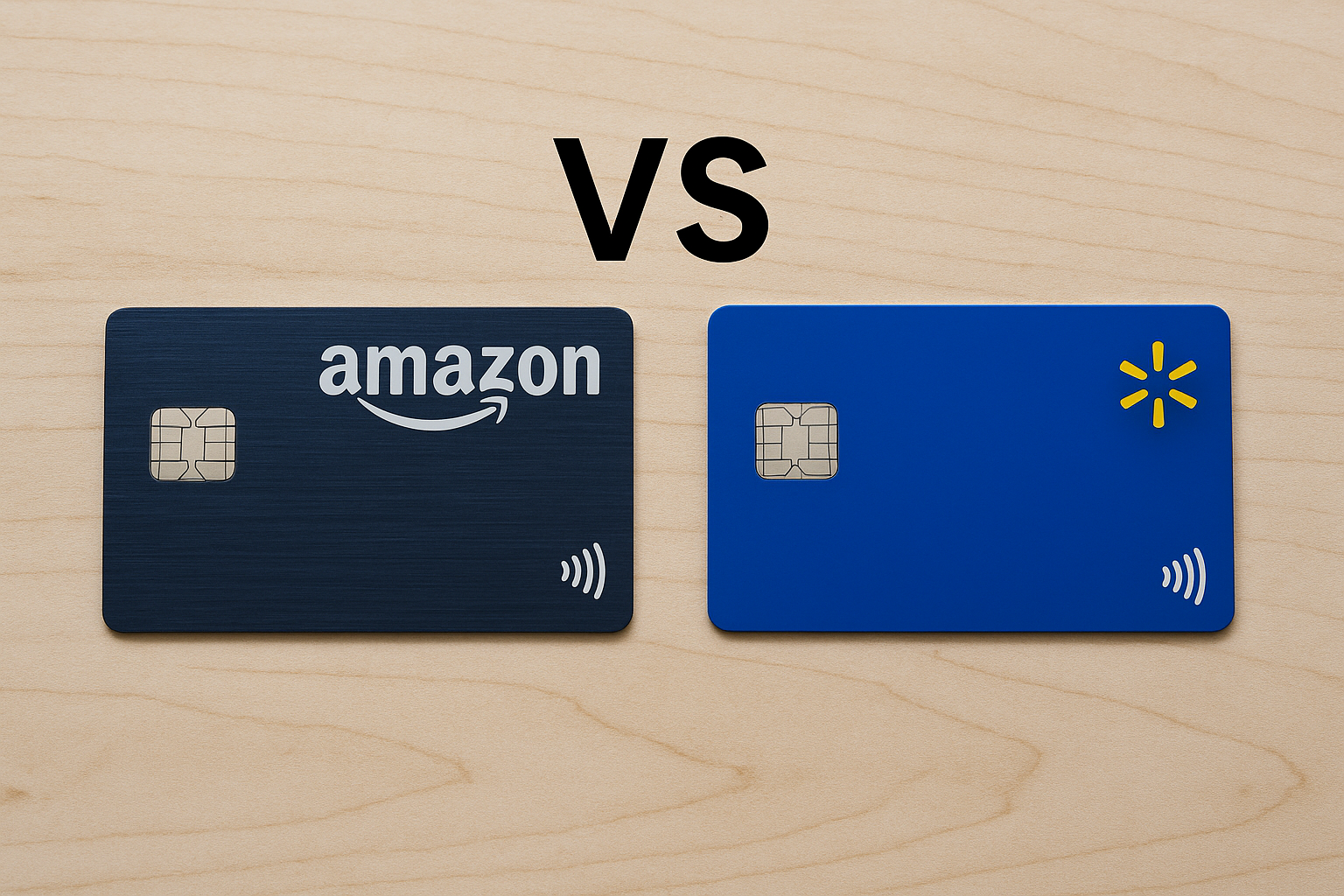
Understanding the Basics: Amazon Credit Card vs. Walmart Credit Card
In the ever-growing world of credit card options, the Amazon and Walmart credit cards stand out due to their association with prominent retail giants. Both cards offer unique features tailored to frequent shoppers at their respective stores, but which one is right for you? This guide will help you navigate the choices and make an informed decision.
Card Benefits and Features
Amazon Credit Card
The Amazon Prime Rewards Visa Signature Card, designed for Amazon Prime members, offers substantial benefits for Amazon shoppers. Cardholders earn:
- 5% cash back on all Amazon.com and Whole Foods Market purchases.
- 2% cash back at restaurants, gas stations, and drugstores.
- 1% cash back on all other purchases.
Additionally, the card features no foreign transaction fees, making it a solid option for international use. Cardholders also gain access to Visa Signature benefits, including travel and purchase protections.
Walmart Credit Card
The Capital One Walmart Rewards Card aims to provide significant value to Walmart shoppers. Its benefits include:
- 5% cash back on purchases at Walmart.com, including pickup and delivery.
- 2% cash back in Walmart stores, at restaurants and on travel.
- 1% cash back on all other purchases.
- Introductory Offer: 5% cash back in Walmart stores for the first 12 months if you use Walmart Pay.
This card also forgoes foreign transaction fees, and as a Mastercard, it includes various travel and purchase benefits.
Comparing the Rewards and Costs
Annual Fees and Interest Rates
Neither the Amazon Prime Rewards Visa Signature Card nor the Capital One Walmart Rewards Card charges an annual fee. However, it's essential to consider that the Amazon card necessitates a Prime membership, which costs $139 per year (2026 pricing). Meanwhile, the Walmart card doesn’t require a membership fee, although Walmart+ subscription could enhance the shopping experience.
In terms of APR, both cards offer variable rates as follows:
- Amazon: Variable APR ranging from 16.49% to 25.49%, based on creditworthiness.
- Walmart: Variable APR ranging from 17.99% to 26.99%, based on creditworthiness.
It's crucial to weigh these interest rates against your typical credit card usage, especially if you carry a balance month-to-month.
Rewards Program Flexibility
The Amazon card rewards are inherently tied to Amazon purchases and best serve those who frequently use this platform. In contrast, Walmart's card encourages broader use due to its Walmart Pay incentives and applicability to both online and in-store shopping.
Customer testimonials and user reviews often cite Amazon's card as superior for purely online shoppers, while Walmart’s seems favored among consumers looking for versatility and budget-friendly shopping.
Real-World Application: Which Card Matches Your Spending Habits?
If You're an Avid Online Shopper
If your shopping predominantly occurs online, especially with Amazon, the Amazon Credit Card is likely optimal. The 5% cash back essentially functions as a substantial discount on every purchase, maximized further with regular Whole Foods shopping.
If You Prefer In-Store Shopping and Versatility
On the other hand, if you value the convenience of next-day delivery without membership costs and frequently shop in-store, Walmart's credit card could be more beneficial. The initial 5% cash back using Walmart Pay extends value to physical shopping, showcasing Walmart’s effort to enhance in-store engagement.
Additional Considerations
Credit Score Requirements
Both cards require a good to excellent credit score for approval. Generally, this means a score of 670 or higher, according to 2026 FICO credit scoring models. It’s advisable to check your score and consider credit-building steps before applying.
Each issuer provides online pre-approval tools, allowing you to gauge potential approval chances with minimal impact on your credit score. However, actual approval decisions and terms will depend on numerous factors, including income and credit history.
Conclusion: Making the Right Choice
Ultimately, opting between the Amazon and Walmart credit cards hinges on individual shopping behaviors, financial goals, and personal preferences. Take stock of your shopping venues, evaluate the rewards structure most advantageous to your habits, and consider the membership commitments each card entails.
For more detailed comparisons and consumer feedback, visit resources such as NerdWallet and CreditCards.com. Be sure to stay updated on credit card offerings, as 2026 continues to evolve with consumer demands and financial tools tailored to them.