Austin vs. Dallas: A Realistic Guide to Choosing Your New Home
Explore the vibrant debates on Austin vs Dallas: Which is Better to Live? in our latest article! Dive into the unique lifestyles, cultural scenes, and economic opportunities that define Austin vs Dallas.
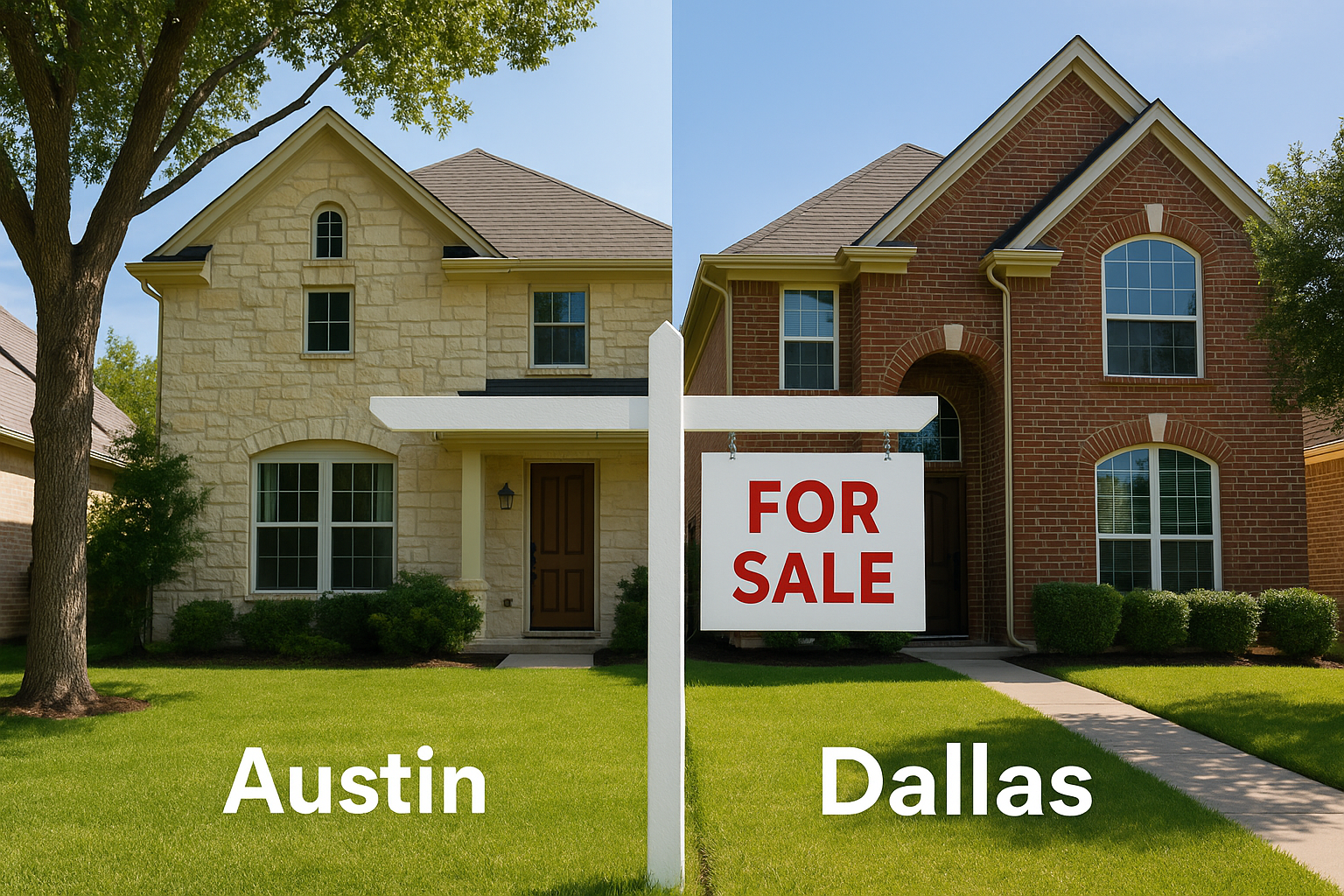
Austin Vs Dallas: Which Is Better To Live?
When considering the question "Austin vs Dallas: which is better to live?", both cities offer unique advantages and potential drawbacks that depend heavily on individual preferences and priorities. In this article, we'll explore various facets of living in Austin and Dallas, ranging from the job market and cost of living to cultural scenes and education systems.
Job Market and Economy
The job market is a critical factor when deciding where to live. Both Austin and Dallas have vibrant economies, but they cater to different industries and professional opportunities.
- Austin: Known as the "Silicon Hills," Austin is a burgeoning tech hub with companies like Dell Technologies, IBM, and Oracle Corp. in the area. Additionally, the city's entrepreneurial spirit is evident with many startups calling Austin home. Data from 2026 indicates that Austin’s job growth rate is at 3.2%, surpassing the national average (Source).
- Dallas: As part of the larger Dallas-Fort Worth metroplex, Dallas hosts major players in finance, telecommunications, and retail. Headquarters of global corporations like AT&T, American Airlines, and Southwest Airlines are located here. The city’s job growth rate hovers around 2.8% as of 2026 (Source).
Cost of Living
Cost of living is another crucial factor, especially when relocating to a major city.
- Austin: Despite being cheaper than other tech cities like San Francisco or Seattle, Austin's cost of living is slightly higher, especially in terms of housing. The median home price in Austin as of 2026 is approximately $540,000, reflecting the high demand for housing in the tech-centric city (Source).
- Dallas: Dallas presents a more affordable cost of living with a median home price of about $390,000. The cost of essentials like groceries, transportation, and healthcare is also relatively lower, making it an attractive option for many families and young professionals (Source).
Culture and Lifestyle
The cultural and lifestyle offerings of a city can significantly affect its livability. Here’s how Austin and Dallas compare:
- Austin: Known for its vibrant music scene and annual events like South by Southwest (SXSW) and Austin City Limits, Austin has a lively cultural atmosphere. Its unofficial slogan, "Keep Austin Weird," reflects its embrace of local art, diversity, and innovation.
- Dallas: Offering a blend of modern skyscrapers and historic architecture, Dallas is rich in cultural institutions such as the Dallas Museum of Art and the AT&T Performing Arts Center. The city is also renowned for its sports teams, adding an energetic vibe to its lifestyle.
Education Systems
Education is a priority for families and professionals pursuing further qualifications or seeking excellent schools for their children.
- Austin: Home to the University of Texas at Austin, the city boasts a strong educational ecosystem. AISD (Austin Independent School District) is recognized for various innovative programs and well-regarded public schools.
- Dallas: The Dallas Independent School District (DISD) is one of the fastest-improving urban school districts. Dallas also hosts several higher education institutions, including Southern Methodist University, known for its academic rigor.
Transportation and Infrastructure
Urban connectivity, traffic, and public transport options play a role in determining overall quality of life. Let's look at both cities:
- Austin: Traffic congestion is a notable issue, with ongoing developments aiming to improve roadway infrastructure. The Capital Metropolitan Transportation Authority offers public bus and rail options but is less developed compared to other major cities.
- Dallas: The DART (Dallas Area Rapid Transit) system provides an extensive public transit network comprising buses, trains, and light rail, facilitating easier navigation across the metroplex.
Climate and Environment
The climate affects daily living and leisure activities. Both cities have their distinct weather patterns.
- Austin: Experiences hot summers and mild winters, with many outdoor activities such as hiking trails, parks, and lakes that foster an active lifestyle.
- Dallas: Also presents hot summers but tends to have more robust winter cool-downs. The urban setup provides numerous indoor activities, balancing the outdoor ventures during harsh weather conditions.
Conclusion: Which Is Better To Live?
The decision between Austin and Dallas boils down to personal preferences. If you're drawn to a tech-centric, vibrant culture and don't mind the higher cost of living, Austin might be more appealing. Conversely, if you prioritize a more diverse economy, affordability, and a robust transportation system, Dallas could be a better fit.
Both cities offer unique and rewarding lifestyles that cater to different tastes, making it essential to consider what aligns best with your aspirations and living standards.