Avoiding Fashion Faux Pas: Mastering Resort Chic Attire
That "resort chic" dress code can be trickier than it sounds, and a few common missteps can take an outfit from stylish to out-of-place. From choosing the wrong fabrics for the climate to misjudging the line between casual and elegant, many travelers make the same key errors.
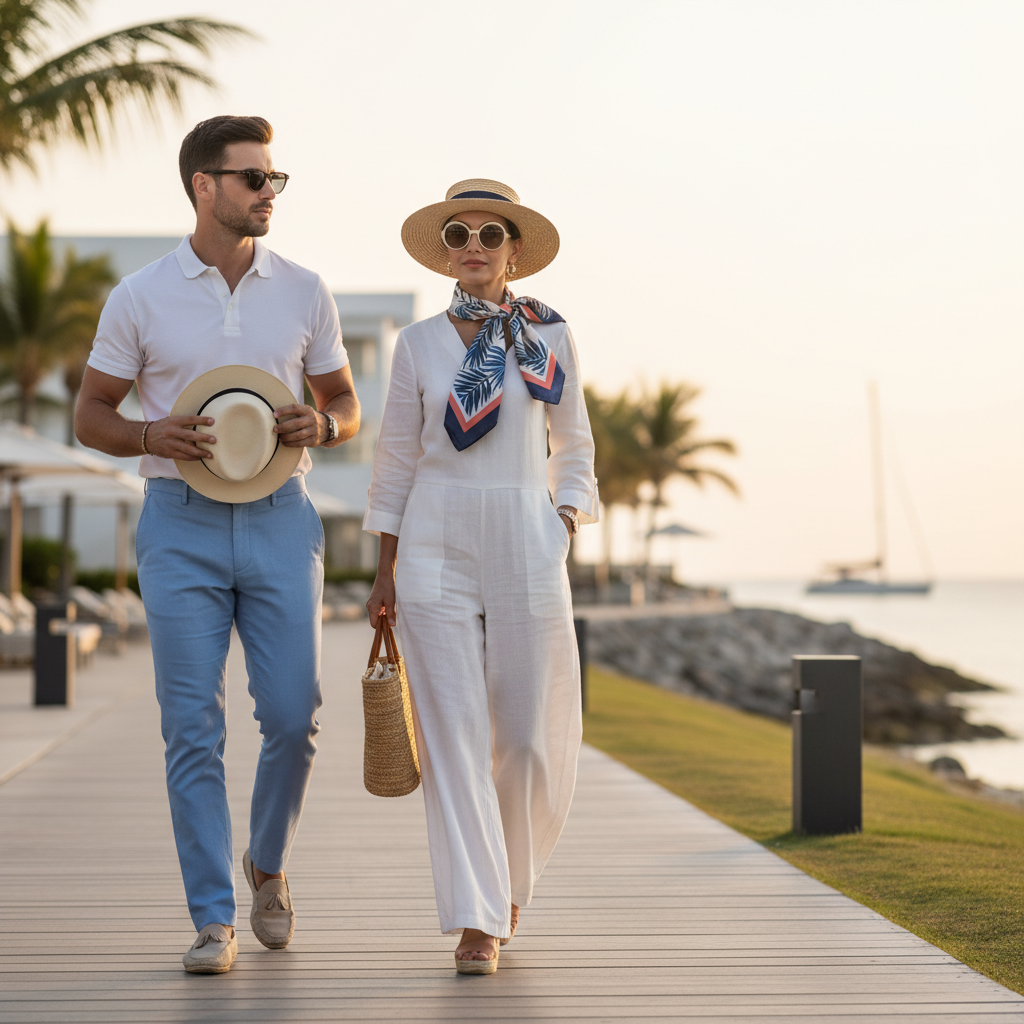
1. Being Overly Casual
Perhaps the most frequent misstep is confusing "resort" with "beach bum." While comfort is a cornerstone of resort wear, "chic" implies a level of polish and sophistication. This mistake often materializes as wearing rubber flip-flops to dinner, donning a wrinkled graphic t-shirt for cocktails, or using a worn-out beach bag for all occasions. Resort chic is about elevated casual wear; think of it as what you'd wear to a stylish daytime event or an elegant al fresco dinner, not what you’d throw on to grab groceries.
To avoid this, focus on upgrading your casual staples. Swap the basic flip-flops for leather sandals, espadrilles, or stylish wedges. Instead of a standard cotton tee, opt for a high-quality linen shirt, a silk camisole, or a well-fitting polo. The key is to look relaxed and at ease without appearing sloppy or underdressed for the beautiful environment you're in.
2. Ignoring the Importance of Fabric
The material of your clothing is paramount in a resort setting, yet it's often overlooked. Many people pack fabrics that are simply not suited for warm, and often humid, climates. Heavy materials like thick denim, wool blends, or synthetic fabrics like polyester can be incredibly uncomfortable, causing you to overheat and feel restricted. These fabrics don't breathe well and can look out of place against a breezy, tropical backdrop.
The solution is to embrace natural, breathable fibers. Linen is the quintessential resort fabric for a reason—it's lightweight, airy, and exudes an effortless elegance. Other excellent choices include high-quality cotton (especially poplin or voile), chambray, silk, and flowy materials like chiffon or rayon. These fabrics not only keep you cool and comfortable but also drape beautifully, contributing to that polished yet relaxed silhouette that defines the resort chic aesthetic.
3. Neglecting Versatile and Appropriate Accessories
Accessories are what truly elevate a simple outfit into a chic statement, but the wrong ones can derail the entire look. A common error is either forgoing accessories altogether or choosing pieces that are too clunky, formal, or urban. Think of a heavy, structured leather handbag or chunky city-style jewelry; these items can feel heavy and out of place in a light, airy resort environment. The look becomes disjointed rather than cohesive.
Instead, focus on accessories that complement the setting. A woven straw tote or a chic canvas bag is perfect for daytime activities and can easily transition to a casual evening. For dinner or cocktails, a small clutch or beaded bag is ideal. When it comes to jewelry, opt for pieces inspired by nature—think shell motifs, turquoise stones, delicate gold chains, or elegant pearls. A stylish pair of sunglasses and a wide-brimmed hat are not just practical for sun protection; they are essential components of the resort chic uniform.
4. Being Too Formal or Overdressed
On the opposite end of the spectrum from being too casual is being too formal. Some individuals misinterpret "chic" as "black tie" and arrive at a relaxed seaside dinner in a stuffy business suit, a heavy cocktail dress better suited for a city gala, or sky-high stilettos that are impractical for walking on stone pathways or sand. This can make you look and feel out of place, detracting from the relaxed and carefree atmosphere that resorts cultivate.
Remember, the essence of resort chic is "effortless elegance." The goal is to look put-together without appearing like you tried too hard. Men should aim for tailored chino shorts or linen trousers paired with a button-down shirt or a quality polo. Women can opt for elegant maxi dresses, sophisticated jumpsuits, or stylish separates in light fabrics. The key is balance—your attire should be refined but never restrictive or overly structured.
5. Forgetting About the Day-to-Night Transition
A great vacation involves seamless transitions from one activity to the next, and your wardrobe should reflect that. A mistake many travelers make is packing completely separate outfits for every part of the day, leading to overpacking and time-consuming changes. They might wear a simple swimsuit and cover-up all day, only to realize they have nothing appropriate for a spontaneous sunset cocktail hour without a full wardrobe change.
The smartest approach is to pack versatile pieces that can be easily dressed up or down. A high-quality maxi dress, for instance, can be worn over a swimsuit with flat sandals during the day. For the evening, you can simply swap the sandals for wedges, add a statement necklace and a pashmina, and you're ready for dinner. For men, a pair of tailored shorts with a linen shirt can work for both an afternoon exploration and a casual dinner. Thinking in terms of layers and accessory swaps will make your wardrobe more efficient and adaptable.
6. Sticking to a Dark, Urban Color Palette
While an all-black ensemble can be incredibly chic in a city like New York or Paris, it can feel somber and heavy in a sun-drenched resort setting. Many people default to their everyday color palette of black, navy, and gray, missing the opportunity to embrace the vibrant energy of their vacation destination. These dark colors also absorb more heat, making them a less practical choice for warm weather.
A vacation is the perfect time to play with color and prints. Embrace a palette of whites, creams, and pastels, which look fresh and help keep you cool. Don't be afraid to incorporate pops of vibrant color inspired by the tropics—think coral, turquoise, sunny yellow, or lush green. Tasteful prints like classic nautical stripes, elegant florals, or subtle botanical patterns are also hallmarks of sophisticated resort wear. This doesn't mean you must abandon neutrals entirely, but rather that you should use them as a base to build a brighter, more joyful vacation wardrobe.