BMS’ Sotyktu Gains European Commission Approval for Psoriatic Arthritis Treatment
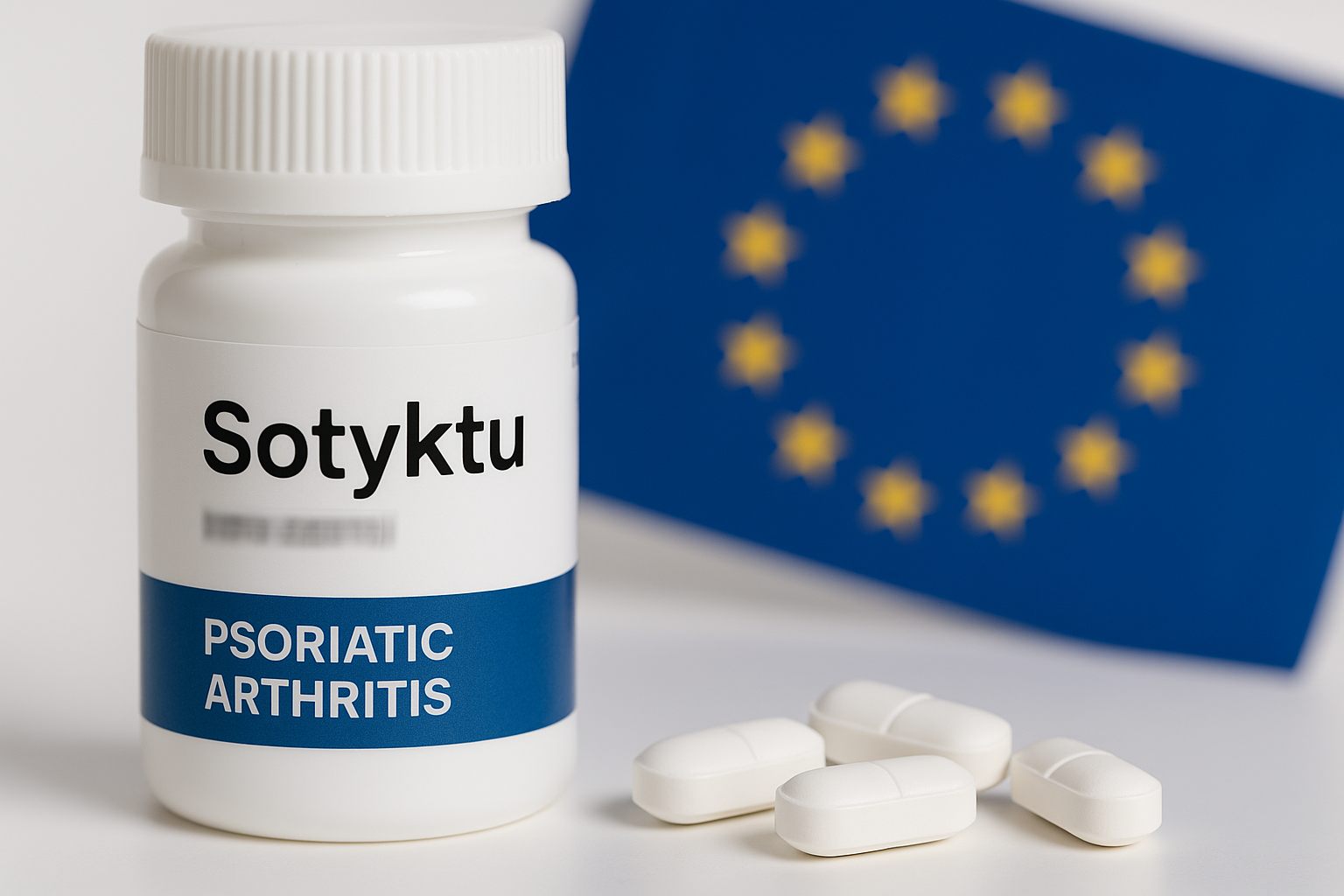
BMS' Sotyktu, a promising contender in the treatment landscape, has gained European Commission (EC) approval for psoriatic arthritis. This milestone marks an exciting development for BMS' Sotyktu, as it continues to demonstrate its potential in managing complex conditions.
Understanding Psoriatic Arthritis
Psoriatic arthritis (PsA) is a chronic inflammatory condition that primarily affects individuals with psoriasis, linking skin manifestations with arthritis symptoms. According to the National Psoriasis Foundation, around 30% of people with psoriasis eventually develop psoriatic arthritis, highlighting the need for effective and innovative treatments.
What is Psoriatic Arthritis?
Psoriatic arthritis is an autoimmune disease that causes inflammation in the joints and skin. The disease's progression can lead to joint damage and severe mobility issues if not treated appropriately. Symptoms often include joint pain, stiffness, swelling, and reduced range of motion, which can significantly impact a person's quality of life.
Current Treatments for Psoriatic Arthritis
Traditional treatments for psoriatic arthritis include nonsteroidal anti-inflammatory drugs (NSAIDs), disease-modifying antirheumatic drugs (DMARDs), biologics, and new oral treatments like Janus kinase (JAK) inhibitors. Treatment plans are typically customized based on the severity of the condition and patient-specific factors such as comorbidities and treatment history.
Introducing Sotyktu: A New Hope
Recently, the European Commission granted approval for Sotyktu, a promising new therapy developed by Bristol-Myers Squibb, to treat psoriatic arthritis. This approval marks a significant advancement in the treatment landscape for PsA, offering an alternative to those who might not respond well to current therapies.
How Does Sotyktu Work?
Sotyktu (deucravacitinib) is a selective TYK2 inhibitor, a novel mechanism in the arena of autoimmune disease management. By specifically targeting the TYK2 enzyme, Sotyktu aims to regulate the activity of immune cells and reduce inflammation, which can help alleviate symptoms of psoriatic arthritis.
Clinical Trials and Effectiveness
Clinical trials for Sotyktu have demonstrated promising results. In recent studies, patients receiving Sotyktu showed significant improvements in joint symptoms and skin lesions compared to those receiving a placebo. Furthermore, the side effect profile of Sotyktu was manageable, with the most common adverse events being mild respiratory infections and headaches. [1] [2]
Impact of Sotyktu's Approval
Sotyktu's approval by the European Commission is set to impact the PsA treatment landscape significantly. As a new mechanism of action in the market, it provides hope for patients who have exhausted other therapy options without achieving adequate control of their symptoms.
Benefits of Adding Sotyktu to the PsA Treatment Arsenal
- Targeted Action: Its selective targeting of the TYK2 pathway can potentially offer more precise control over inflammation with fewer systemic effects.
- Convenience: An oral administration option provides ease of use compared to injected biologics.
- Enhanced Quality of Life: Reduced joint damage and improved mobility can lead to a better overall quality of life for patients.
Considerations and Precautions
While Sotyktu offers promising benefits, it is essential for patients and healthcare providers to consider the potential risks, including immune system suppression which might increase susceptibility to infections. A thorough evaluation by healthcare professionals is crucial to determine whether Sotyktu is the appropriate treatment choice for individual patients.
The Broader Implications for Autoimmune Diseases
The success of Sotyktu in treating PsA could pave the way for its application in other autoimmune conditions. The insights gained from the performance of selective TYK2 inhibitors may stimulate further research into similar mechanisms for a range of autoimmune diseases, potentially shaping future treatment protocols and drug development.
Advancing Research and Development
With its innovative approach, Bristol-Myers Squibb's Sotyktu is at the forefront of biopharmaceutical advancements, showcasing the potential for targeted therapies to provide better outcomes in complex autoimmune diseases. As research progresses, both clinicians and patients will benefit from a deeper understanding of autoimmune pathologies and improved therapeutic strategies.
With PsA affecting countless individuals worldwide, the approval of Sotyktu brings renewed hope and underscores the critical need for ongoing research and innovation in managing autoimmune diseases effectively.