Boost Your Iron Levels: Top 5 Foods to Combat Anemia
Looking for the best ways to manage anemia through your diet? Discover the top 5 foods to eat if you have anemia that can complement your doctor’s advice. Incorporating these nutrient-rich options into your meals might help enhance your iron levels over time.
Understanding Anemia: Causes and Symptoms
Anemia is a condition characterized by a deficiency of red blood cells or hemoglobin in the blood, leading to fatigue and weakness among other symptoms. It affects millions worldwide and can stem from various causes, including nutritional deficiencies, chronic diseases, and genetic disorders. Understanding the causes and symptoms is crucial for effective management.
Common symptoms of anemia include fatigue, weakness, pale skin, shortness of breath, dizziness, and cold hands and feet. If you're experiencing these symptoms, it's essential to consult a healthcare provider for a diagnosis.
Role of Diet in Managing Anemia
Nutrition plays a vital role in managing anemia. The body requires a diet rich in iron, vitamin B12, folate, and vitamin C to produce sufficient healthy red blood cells. Incorporating specific foods into your diet can help mitigate anemia symptoms and improve your overall health.
Top 5 Foods To Eat If You Have Anemia
Here are the top five foods you should consider adding to your diet if you're dealing with anemia:
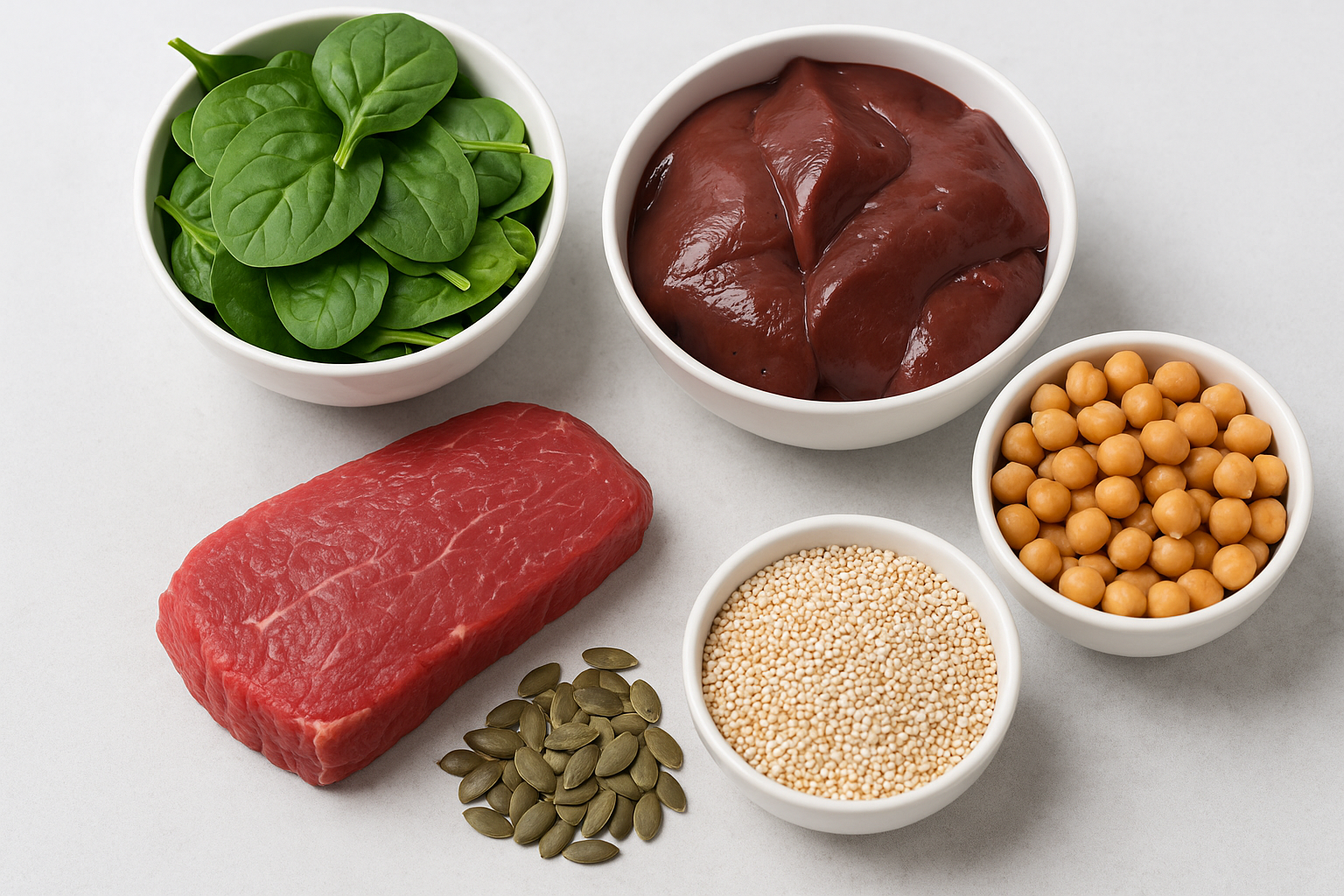
- Leafy Greens: Spinach, kale, and Swiss chard are rich in non-heme iron. To maximize absorption, pair them with a source of vitamin C like citrus fruits or bell peppers.
- Red Meat: Beef and lamb are excellent sources of heme iron, which is more readily absorbed by the body compared to non-heme iron.
- Beans and Lentils: These are plant-based sources of iron and also provide protein and fiber, supporting overall health.
- Nuts and Seeds: Almonds, cashews, and sesame seeds offer a decent amount of iron and can be integrated into various meals or eaten as snacks.
- Fortified Cereals: Many cereals are fortified with iron, making them an easy way to boost iron intake, especially for vegetarians.
Understanding the Different Types of Iron
Iron is crucial for producing hemoglobin. There are two types: heme and non-heme iron.
Heme Iron: Found in animal products and is absorbed more efficiently by the body. Sources include red meat, poultry, and fish.
Non-Heme Iron: Found in plant-based foods and is less readily absorbed. Its absorption can be enhanced by consuming vitamin C rich foods. Sources include beans, lentils, tofu, and spinach.
Recent Research on Diet and Anemia: 2026 Insights
Recent studies have reinforced the significance of diet in managing anemia. A 2026 study published in the Journal of Hematology found that a balanced diet rich in iron and vitamins significantly reduced anemia symptoms in participants over a six-month period (source: Journal of Hematology, 2026).
Another study by the World Health Organization highlighted that nutritional education programs effectively increased awareness and reduced anemia prevalence in at-risk populations (source: WHO Nutrition Report, 2026).
Other Lifestyle Changes to Combat Anemia
In addition to dietary changes, there are other lifestyle adjustments that can help manage anemia:
- Regular Check-Ups: Ensure you have routine health check-ups to monitor your blood levels and overall health.
- Exercise: Engage in moderate physical activity to enhance stamina and wellbeing, but consult your healthcare provider about what's right for you if you're anemic.
- Avoid Inhibitors: Limit intake of substances that inhibit iron absorption, such as caffeine and dairy, when consuming iron-rich meals.
Understanding anemia and implementing dietary and lifestyle changes can make a significant difference in managing the condition. Incorporate the foods mentioned above, stay informed through recent research, and always consult with healthcare professionals regarding personal health concerns.