Budget-Friendly Hotel Stays: Finding Motel Prices with Hotel Comfort
Getting hotel quality for motel prices isn't just a travel dream—it’s a reality, but only if you know which brands to look for. We've broken down the top economy hotel chains that consistently deliver superior comfort, cleanliness, and amenities without the high cost.
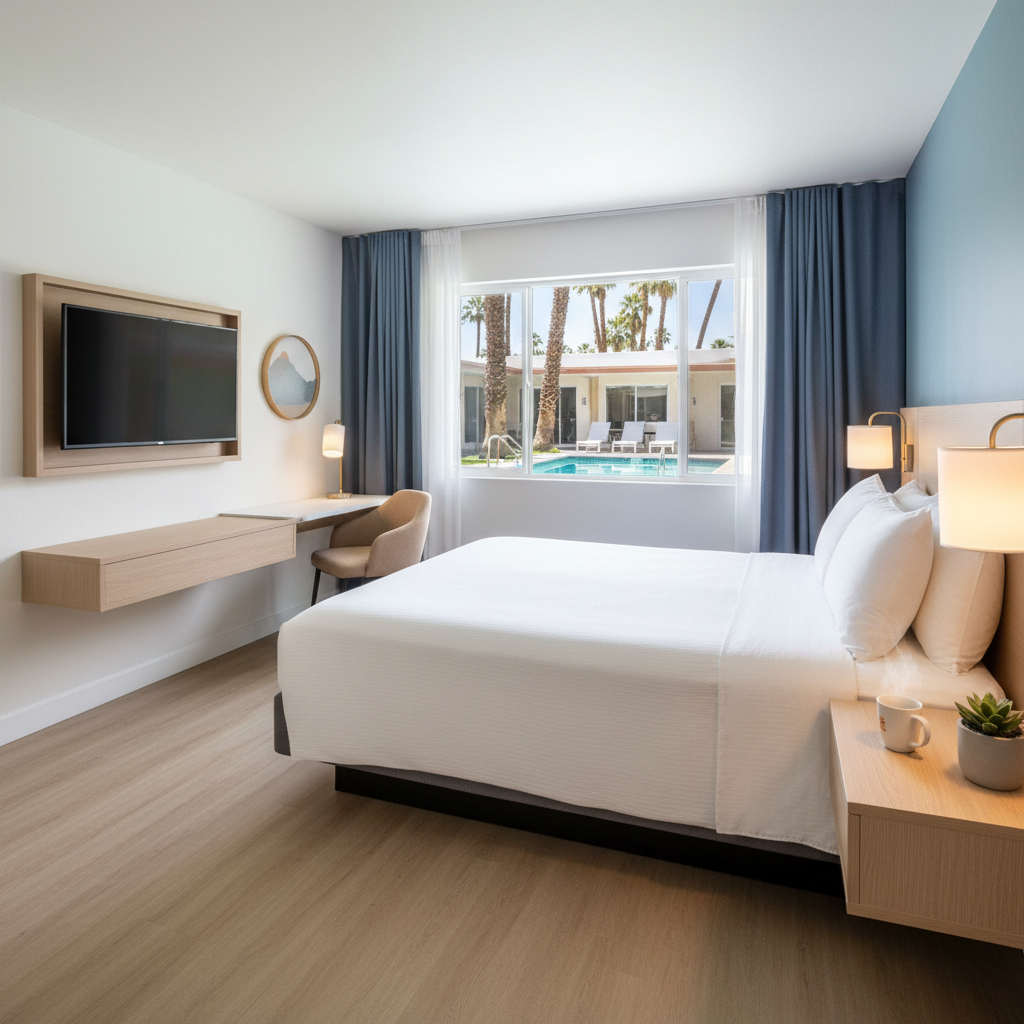
Hotel Stays That Can Be as Cheap as a Motel
For decades, the line in the sand was clear: motels were the go-to for no-frills, budget-friendly roadside lodging, while hotels offered more amenities at a higher price. Today, that line has blurred considerably. Thanks to increased competition, dynamic pricing, and the rise of new hotel categories, travelers can often find hotel stays that are just as affordable as a traditional motel. The key is knowing which types of hotels to look for and where to find them.
If you're seeking the comfort and security of a hotel without breaking the bank, here are the categories of hotel stays that frequently compete with motel pricing.
1. Economy Extended-Stay Hotels
Brands like Extended Stay America, WoodSpring Suites, and InTown Suites were originally designed for guests needing lodging for a week or more. However, they have become a fantastic option for nightly stays as well. The primary advantage is the in-room kitchenette, which includes a refrigerator, microwave, and stovetop. This single feature can save you a significant amount of money on food, as you aren't forced to eat out for every meal—a major expense that adds up quickly.
Because their business model is built around longer stays and lower staff interaction (e.g., weekly instead of daily housekeeping), their operational costs are lower, allowing them to offer very competitive nightly rates. You'll find that for a price comparable to a standard motel, you often get a larger room with the added convenience of a kitchen, making it a high-value proposition for budget-conscious travelers.
2. Classic Budget Hotel Chains
This is where the direct competition with motels is most fierce. Chains owned by large hospitality groups like Wyndham and Choice Hotels have mastered the art of the budget-friendly stay. Brands such as Super 8, Days Inn, Microtel Inn & Suites, and Quality Inn consistently offer rates that are in the same ballpark as independent motels or chains like Motel 6.
What do you get for a similar price? Typically, these hotels feature interior corridors (a big plus for security and noise reduction), a lobby, and often a complimentary breakfast, even if it's just a simple continental setup with coffee, juice, and pastries. While the rooms are basic, they are often slightly more updated than older motels and benefit from the consistent standards of a national brand. For travelers who just need a clean, safe place to sleep, these chains provide excellent value.
3. Newer "Select-Service" Budget Brands
In response to traveler demands for modern design without the high cost, major hotel groups have launched new, stylish budget brands. Think of Tru by Hilton, avid hotels by IHG, and Motto by Hilton. These hotels strip away expensive, underused amenities like full-service restaurants and large conference rooms. Instead, they focus on what modern travelers value most: a clean, comfortable bed, a great shower, fast and free Wi-Fi, and plenty of plugs for devices.
Their lobbies are designed as social hubs with workspaces and 24/7 snack markets. While their rates might sometimes be a step above a basic motel, you can often find deals, especially in less-trafficked areas or during the off-season, that make them an incredibly appealing and affordable alternative. You get a modern aesthetic and a thoughtfully designed experience for a price that won't strain your wallet.
4. Airport Hotels on Weekends
Airport hotels thrive on business travelers from Monday to Thursday. Their primary customers are flight crews, corporate executives on layovers, and conference attendees. When the weekend rolls around, demand plummets, and these hotels are often left with a high number of empty rooms. To fill them, they slash their prices dramatically.
This creates a fantastic opportunity for leisure travelers. You can often book a room at a well-known brand like Hyatt Place, Courtyard by Marriott, or Holiday Inn Express near an airport for a motel-level price on a Friday or Saturday night. These hotels almost always include amenities like a swimming pool, a fitness center, and a complimentary breakfast, offering far more value than a typical motel for the same cost.
5. Independent or Boutique Hotels (in the Off-Season)
While chain hotels rely on massive booking systems, independent hotels live and die by their occupancy rates. During the slow season or a mid-week lull, a non-chain hotel owner would much rather sell a room for a deeply discounted price than let it sit empty. This is where you can find some of the best hidden gems.
Using hotel booking apps and websites, you can search for deals at these smaller, local properties. You might find a charming independent hotel in a great location offering rates that rival the local motel. The experience is often more unique and personal, giving you a better feel for the local area without the cookie-cutter design of a large chain.
The Evolution: Why Hotels Are Competing with Motel Prices
The convergence of hotel and motel pricing isn't an accident; it's the result of several major shifts in the travel industry over the last two decades. The most significant factor has been the rise of Online Travel Agencies (OTAs) like Expedia, Booking.com, and Kayak. These platforms put every lodging option, from a five-star resort to a roadside motel, on the same page, allowing consumers to compare prices with unprecedented ease. This transparency forced hotels to become more competitive, as they were now being directly benchmarked against lower-cost alternatives.
Furthermore, the development of sophisticated dynamic pricing software has allowed hotels to adjust their rates in real-time based on demand, local events, and competitor pricing. An empty room generates zero revenue, so a hotel's algorithm may drop the price of a last-minute booking to a level that competes directly with a motel. Finally, the success of "select-service" models proved that travelers were willing to forego traditional amenities like a bellhop or room service in exchange for a lower price point, a clean room, and modern essentials like reliable Wi-Fi. This led to the creation of entire hotel brands built around this high-value, low-cost philosophy.
Finding the Best Deals and What to Expect
Knowing which hotels to look for is only half the battle. To truly score a hotel room at a motel price, you need to employ the right strategies and understand the tradeoffs.
How can you guarantee the cheapest rates?
There is no single "best" way, but a combination of strategies often yields the best results. Start by using price comparison websites to get a broad overview of your options. However, don't stop there. Once you've identified a promising hotel, visit its official website directly. Hotels often offer slightly better rates or perks—like free Wi-Fi or a room upgrade—to guests who book directly, as it saves them from paying a commission to an OTA.
Joining hotel loyalty programs is another no-brainer. Even if you're not a frequent traveler, signing up is free and can give you access to member-exclusive rates that are typically 5-15% lower than the public price. Finally, be flexible with your dates if possible. Shifting your stay by just one day, from a Saturday to a Sunday, can sometimes cut the rate in half.
What amenities do you give up at a budget hotel vs. a motel?
Interestingly, you often gain more than you lose. The classic motel design features exterior corridors, meaning your room door opens directly to the parking lot. This can be a concern for security and noise. Budget hotels almost universally have interior corridors, which most travelers prefer. While neither will likely have a full-service restaurant, many budget hotels offer a complimentary continental breakfast, a small fitness center, or an indoor pool—amenities rarely found at a basic motel.
The tradeoff is often in room size and location. Motels, especially older ones, sometimes have surprisingly spacious rooms. Newer select-service hotels may have smaller, more efficiently designed rooms. Additionally, motels are often located directly on major highways for maximum visibility, whereas a budget hotel might be set back slightly in a commercial park, requiring a short drive off the main road.
Are "hidden fees" a concern at budget hotels?
While notorious "resort fees" are more common at large hotels in tourist destinations, budget properties can have their own extra charges. The most common is a parking fee, especially in urban or crowded suburban areas where space is at a premium. Some hotels may also charge for premium Wi-Fi if you need faster speeds than the complimentary service offers.
The best way to avoid surprises is to read the fine print carefully before you book. The booking summary page on any reputable website will break down the total cost, including taxes and any mandatory fees. If you're ever unsure, call the hotel directly and ask about their policies on parking, Wi-Fi, and any other potential charges.
Conclusion
The modern travel landscape offers more choices than ever before, and the affordable lodging market has become incredibly competitive. The distinction between a "hotel" and a "motel" is now less about the price and more about the style and specific amenities offered. By focusing on economy extended-stay brands, classic budget chains, newer select-service hotels, and being strategic about timing and location, you can easily find a hotel stay that offers greater security, better amenities, and a more comfortable experience for the same price as a traditional motel.
Related Resources
- Wyndham Hotels & Resorts (Parent company of Super 8, Days Inn, and Microtel)
- Choice Hotels (Parent company of Quality Inn, Econo Lodge, and Rodeway Inn)