Can You Trade In Your iPhone with Battery Problems? What You Need to Know Beforehand
Curious about whether Apple's Trade In program accepts iPhones with battery issues? You're not alone. This article explores potential outcomes and what you might expect if your device is less than perfect.
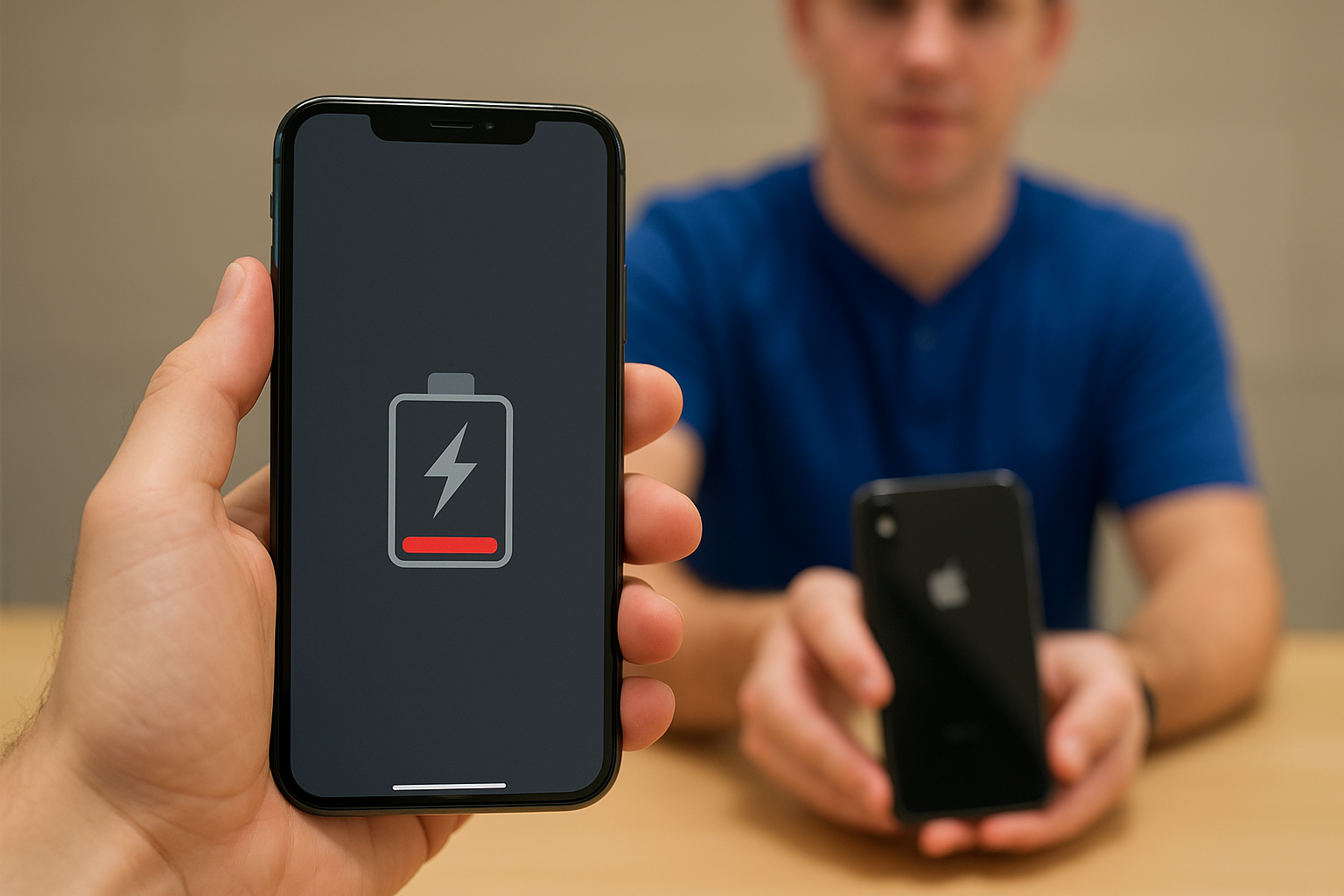
Understanding Apple's Trade-In Program
Apple's Trade-In program is a convenient way for consumers to upgrade their devices while being environmentally conscious. By trading in eligible devices, customers receive credit towards a new purchase. But does Apple Trade In accept iPhones with battery issues? This is a common question prospective traders might have, and the answer lies in understanding the criteria Apple uses for assessing device value and eligibility.
What Conditions Does Apple Accept for Trade-In?
When it comes to Apple's trade-in conditions, the tech giant evaluates various aspects of the device's physical and operational state. Apple accepts devices with different types of wear and tear, but these factors affect the final trade-in value offered.
- Screen Condition: The screen should be intact without severe damage. Minor scratches may be acceptable, but major cracks typically reduce the trade-in value significantly.
- Housing Condition: While minor scuffs on the housing might be acceptable, dents or significant damage could lower the valuation.
- Water Damage: Devices with water damage are generally not accepted, as this greatly affects the functionality and safety of the device.
Do Battery Issues Affect Trade-in Eligibility?
iPhones with battery issues do raise specific questions regarding their trade-in acceptance. Batteries are a crucial component of a smartphone's performance, affecting everything from user experience to device efficiency.
According to sources such as Apple's own guidelines and news reports, iPhones with degraded batteries that might still function generally are eligible for trade-in, albeit at a potentially reduced value. Apple understands that battery health naturally diminishes over time due to charge cycles and usage patterns.
However, if a phone is unable to hold any charge or present constant warnings about battery health needing service—such as frequent device shutdowns and slower processing speeds—it might not qualify, or could result in a lower trade-in credit.
Does Apple Offer Battery Replacement?
If you’re concerned about trading in an iPhone with severe battery issues, there's another pathway you might consider. Apple offers battery replacement services at their retail locations, which could potentially increase your device's trade-in value if the replacement resolves critical performance problems.
Battery replacement prices vary by model, but Apple’s reputable service ensures the new battery will be high-quality and properly installed. As of 2026, the cost for an iPhone battery replacement ranges from $69 to $99 depending on the model.
Maximizing Trade-In Value
Tips for Ensuring a Better Trade-In Experience
To maximize the trade-in value, follow these recommendations:
- Thorough Cleaning: Wipe your device and remove any smudges or dirt that could make it appear more worn than it really is.
- Backup and Reset: Backup your data and perform a factory reset. A clean, ready-to-use phone portrays a better condition.
- Check Battery Health: Navigate to Settings > Battery > Battery Health to ensure it’s still operational at adequate capacity. This could influence the trade-in value significantly.
Comparing Trade-In Programs
Apple isn't the only company offering trade-in services; many retailers and wireless carriers have their own programs, sometimes with more competitive offers. Consider exploring these options:
- Amazon and Best Buy: Frequently have electronic trade-in programs that might offer promotional bonuses for accepted devices.
- Carrier Programs: Carriers like Verizon and AT&T may offer promotional credits when trading in an old device in combination with a new contract.
The Environmental Impact of Apple's Trade-In Program
Contributing to Sustainability
Apple’s Trade-In program is not just a customer-centric service but also a part of Apple's broader commitment to sustainability. By enabling consumers to recycle their old devices, Apple manages to conserve valuable resources and reduce electronic waste.
Millions of devices are traded in each year, saving materials and applying them to manufacture new devices. Apple's commitment to a closed-loop supply chain by 2030 aims to make all of their products without extracting new materials from the Earth, which the Trade-In program supports by retrieving old units for refurbishing and recycling.
Steps Towards Apple's Carbon Neutrality Goals
Apple has pledged to reach carbon neutrality across its business, manufacturing supply chain, and product life cycles by 2030. Programs like Trade-In help by ensuring old materials are reused effectively, cutting down on waste from landfills, and reducing the carbon footprint associated with raw material extraction.
Conclusion
Apple’s Trade-In program is versatile, accepting a variety of devices in different states of use, including those with some battery degradation. While severe battery issues might reduce the device's eligibility or value, an existing battery still holding charge doesn't disqualify the device outright. Consumers prioritizing device longevity can consider battery replacement to enhance trade-in offers.
Engaging with the Trade-In program also supports ecological initiatives, making tech updates not only a personal gain but a communal benefit towards a more sustainable future.
https://www.apple.com/in/shop/trade-in
https://www.apple.com/in/shop/buy-iphone
https://www.apple.com/in/iphone/
https://www.apple.com/in/iphone-17/switch/
https://www.apple.com/in/legal/sales-support/trade-in/in/
https://support.apple.com/en-in/guide/iphone/iph415eb3fe5/ios
https://www.apple.com/in/store
https://www.cashify.in/best-iphone-exchange-offer-how-to-get-the-steal-deal