Choosing the Best Oil for Your Baby's Delicate Skin: A Careful Guide
Choosing the right oil for your baby’s delicate skin can feel overwhelming with so many options on the shelf. To help you decide, we’re breaking down the key differences between popular natural choices like coconut, jojoba, sunflower, and almond oil.
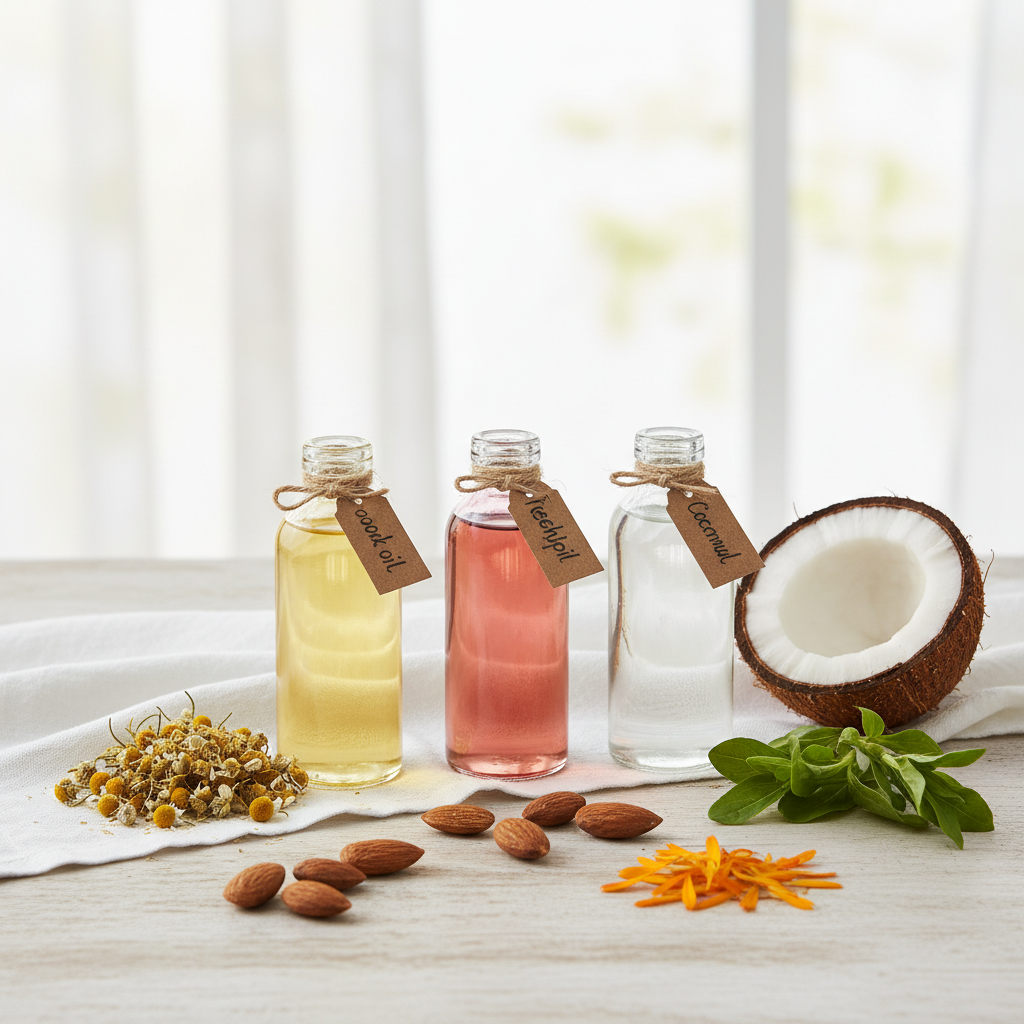
Exploring the Best Natural Oils for Your Baby
A baby's skin is incredibly delicate and sensitive, making the choice of skincare products a crucial decision for parents. Baby massage is a wonderful bonding experience, and using the right oil can not only make it smoother but also nourish and protect their fragile skin. However, not all oils are created equal. Below, we explore some of the most recommended natural oils, detailing their unique properties and benefits to help you make an informed choice.
Coconut Oil
Coconut oil, particularly virgin and cold-pressed varieties, is a popular choice for baby skin care, and for good reason. It is rich in lauric acid, a fatty acid that has natural antimicrobial and antibacterial properties. This can help protect your baby’s skin from potential irritants and infections. Its molecular structure allows it to absorb relatively well, providing deep hydration without feeling overly greasy. It's an excellent moisturizer to apply after a bath to lock in moisture and keep the skin soft and supple.
This oil is generally well-tolerated by most babies with normal to dry skin. For those living in colder climates or during dry winter months, coconut oil can be a lifesaver for preventing chapped skin. However, it's worth noting that coconut oil can be comedogenic, meaning it has the potential to clog pores. While this is less of a concern for body skin, if your baby is prone to baby acne, you might want to use it more sparingly on the face or choose a lighter oil instead.
Jojoba Oil
Jojoba oil is technically a liquid wax ester, not an oil, and this unique composition is what makes it so special. Its structure is remarkably similar to the natural sebum produced by human skin. This similarity allows it to be absorbed beautifully, balancing the skin without clogging pores. It's a fantastic choice for babies with sensitive skin as it's hypoallergenic and less likely to cause irritation. Jojoba oil is also rich in essential vitamins like Vitamin E and B-complex, which help nourish and repair the skin.
Because it mimics the skin's natural oils, jojoba is effective for a wide range of skin types. It can hydrate dry patches while also helping to regulate oil production in areas prone to baby acne. Its lightweight, non-greasy feel makes it perfect for a gentle facial moisturizer or a soothing massage oil. The anti-inflammatory properties of jojoba oil can also help calm mild redness and irritation, making it a versatile and safe option for daily use.
Sunflower Oil
Often overlooked, sunflower seed oil is a powerhouse of nutrients for delicate skin. It is exceptionally high in linoleic acid, an omega-6 fatty acid that is a crucial component of the skin's natural barrier. A strong skin barrier is vital for retaining moisture and protecting against environmental aggressors. Research has even shown that applying sunflower oil to the skin of premature infants can significantly improve their skin barrier function and reduce the risk of infections.
When selecting sunflower oil, look for "high-oleic" versions, as they are more stable and contain even more beneficial fatty acids. This oil is also rich in Vitamin E, a potent antioxidant that helps protect skin cells from damage. Its light texture and mild scent make it a pleasant choice for baby massage. It hydrates effectively and can help soothe conditions like eczema due to its anti-inflammatory properties and barrier-strengthening capabilities.
Almond Oil
Sweet almond oil has been used for centuries to soothe and soften skin. It is an excellent emollient, meaning it helps to lock in moisture and prevent dryness. Packed with Vitamin E, Vitamin A, essential fatty acids, and minerals like zinc, it provides deep nourishment. Its gentle nature makes it suitable for sensitive baby skin, and it's often used to help soothe irritation from diaper rash or dry patches.
The primary consideration when using almond oil is the potential for nut allergies. While topical application is different from ingestion, it's crucial to perform a patch test before using it all over your baby's body, especially if there's a family history of nut allergies. Always ensure you are using sweet almond oil, as bitter almond oil contains compounds that can be toxic. Its pleasant, faint scent and silky texture make it a luxurious choice for a calming bedtime massage.
Grapeseed Oil
If you're looking for an incredibly lightweight and fast-absorbing option, grapeseed oil is an excellent choice. It is high in antioxidants, such as proanthocyanidin, and linoleic acid. This combination helps to protect the skin from environmental damage while strengthening the skin barrier. Its thin consistency means it won't leave your baby's skin feeling sticky or greasy, making it comfortable for both you and your little one.
Grapeseed oil is a great option for babies who may have slightly more sensitive or even oily-prone skin, as it is non-comedogenic and doesn't feel heavy. Its astringent properties can help to tone the skin gently. Because it absorbs so quickly, it’s a convenient choice for a quick moisturizing session after a bath or before getting your baby dressed. It is also practically odorless, which is a bonus for parents and babies who are sensitive to scents.
Understanding Your Baby's Delicate Skin Barrier
To choose the right oil, it helps to understand why your baby's skin is so different from your own. The outermost layer of the skin, known as the stratum corneum or the skin barrier, is our body's first line of defense. It's responsible for keeping moisture in and keeping harmful allergens, irritants, and bacteria out. In adults, this barrier is fully developed and resilient.
A newborn's skin barrier, however, is still under construction. It is significantly thinner and more permeable than an adult's, meaning it loses moisture much more rapidly. This is why babies are so susceptible to dryness, irritation, and conditions like eczema. Furthermore, the "acid mantle," a fine, slightly acidic film on the skin's surface that protects against bacteria, is not fully formed at birth. This makes their skin more vulnerable to changes in pH and external substances.
This is where the right oil can play a supportive role. A high-quality, natural oil acts as an occlusive and an emollient. It forms a protective layer on the skin's surface to prevent transepidermal water loss (the evaporation of moisture from the skin). At the same time, the fatty acids and vitamins within the oil are absorbed to nourish the skin cells and help fortify the developing skin barrier from within, keeping it soft, hydrated, and resilient.
Common Questions About Baby Skin Oils
Navigating the world of baby skincare can bring up many questions. Here are answers to some of the most common queries parents have about using oils on their baby's skin.
What Oils Should You Avoid for Your Baby's Skin?
While many natural oils are beneficial, some are not recommended for a baby’s delicate skin. One of the most surprising oils to avoid is olive oil. Although it's a staple in many cultures, some studies suggest that its high concentration of oleic acid can disrupt the skin barrier in sensitive individuals, potentially worsening conditions like eczema. If you do choose to use it, opt for extra virgin olive oil and use it sparingly.
Essential oils should also be avoided for babies and young children. These are highly concentrated plant extracts that can be extremely potent. A baby's thin, absorbent skin can easily absorb too much, leading to irritation, allergic reactions, or even toxicity. Any products containing strong synthetic fragrances or perfumes should also be skipped, as they are a common cause of skin sensitivity and rashes.
Finally, while mineral oil and petroleum jelly are often recommended by pediatricians for creating a simple, effective barrier (especially for diaper rash), many parents prefer to avoid them. Unlike plant-based oils, they don't provide any nutritional value to the skin. They simply sit on top as a barrier, and some formulations can trap heat and bacteria if not cleaned off properly.
How Do You Properly Patch Test a New Oil?
No matter how natural or gentle an oil claims to be, you should always perform a patch test before applying it to your baby's entire body. This simple step can prevent a widespread allergic reaction or irritation. An allergic reaction can appear as redness, a rash, hives, or dry, itchy patches.
To perform a patch test, start by choosing a discreet area of your baby's skin, such as behind the ear, on the inner elbow, or the inside of the wrist. Apply a very small, dime-sized amount of the new oil to that single spot. Do not apply any other products to that area so you can properly assess the oil's effect.
Leave the oil on the skin and wait for at least 24 hours. Some experts recommend waiting up to 48 hours for any delayed reactions. During this time, monitor the area for any signs of redness, swelling, rash, or any other form of irritation. If the skin remains clear, calm, and shows no adverse reaction, the oil is likely safe to use more broadly.
Conclusion
Choosing the right oil for your baby's skin is a gentle act of care that nourishes their delicate barrier and enhances the bonding experience of touch. Natural, cold-pressed oils like coconut, jojoba, and sunflower offer a wealth of benefits, from deep hydration to soothing anti-inflammatory properties. The best choice often depends on your baby’s individual skin type and sensitivities.
Ultimately, the key is to select pure, high-quality products and, most importantly, to observe how your baby's skin responds. Always perform a patch test with any new product and consult with your pediatrician if you have any concerns, especially if your baby has a skin condition like eczema or severe sensitivities. By being mindful and observant, you can keep your baby's skin soft, healthy, and protected.