Choosing the Right Flooring for Seniors with Arthritis: A Guide for Comfort and Safety
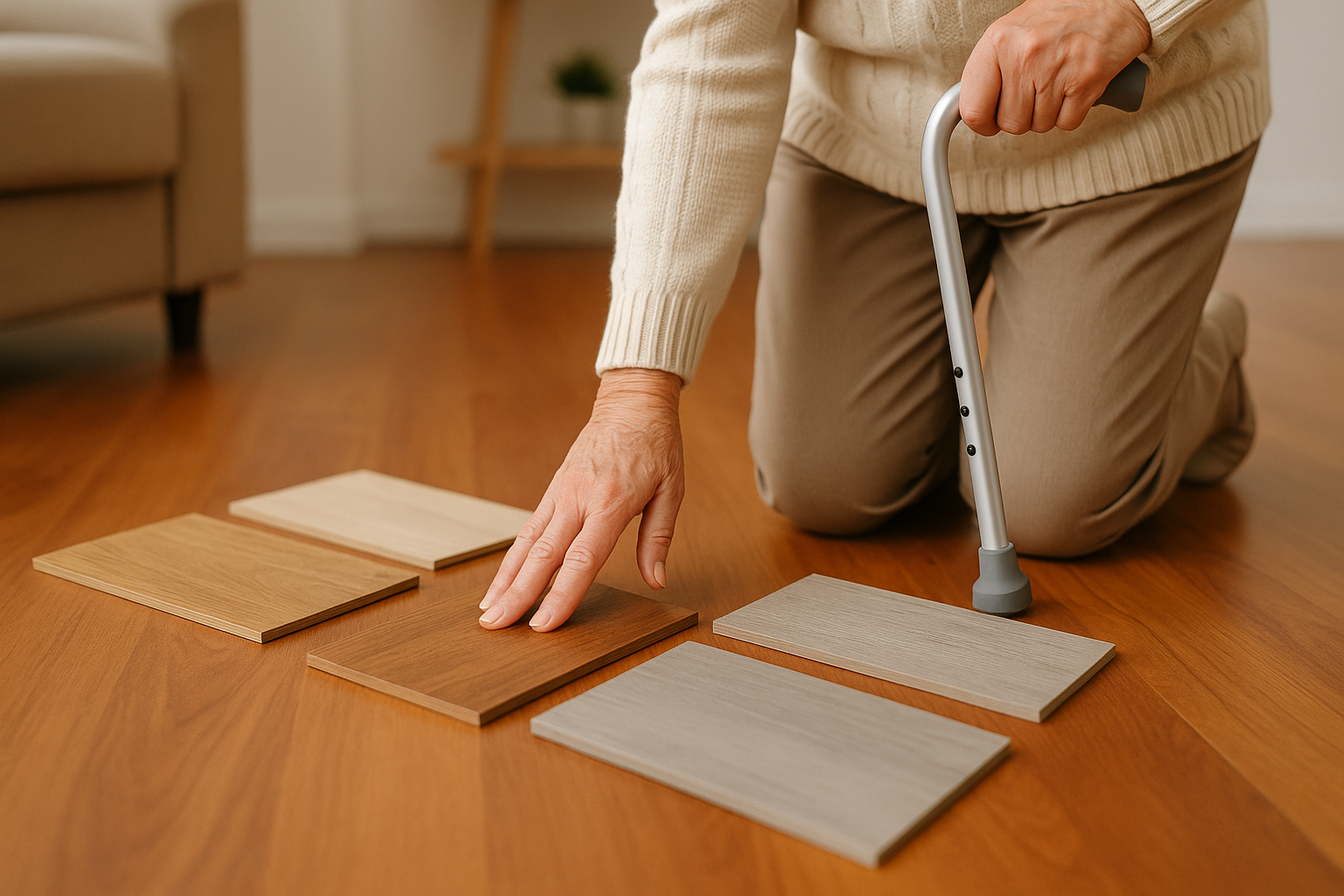
Choosing the right flooring for seniors with arthritis can significantly impact comfort and mobility. Different flooring options have their unique benefits, making some more suitable than others.
Understanding Arthritis and Its Impact on Mobility
Arthritis is a common condition that affects millions of seniors worldwide, leading to pain and limited mobility. In fact, the CDC reported in 2026 that more than half of adults aged 65 or older have reported being diagnosed with arthritis. This makes choosing the right flooring critical for minimizing pain and enhancing movement within the home.
Given the varied forms of arthritis, from osteoarthritis to rheumatoid arthritis, the symptoms can range from mild discomfort to severe pain and stiffness. This affects how seniors move around their homes, making it essential to consider flooring options that accommodate their specific needs.
What Makes Flooring Senior-Friendly?
When looking for flooring suitable for seniors with arthritis, it’s important to consider factors such as cushioning, surface texture, safety, and maintenance. The key is to strike a balance between comfort and practicality to reduce joint stress and prevent accidents. Here are a few aspects to consider:
- Cushioning: Soft surfaces can help absorb impact and reduce stress on joints. Consider whether the flooring material offers adequate cushioning.
- Non-slip Surfaces: To prevent falls, the flooring should have a non-slip surface, especially in areas prone to moisture like kitchens and bathrooms.
- Low Maintenance: Flooring that is easy to clean and maintain minimizes the need for frequent bending or strenuous cleaning actions.
- Temperature and Noise Insulation: Some flooring options provide warmth and noise insulation, which can enhance comfort and reduce disturbances.
Flooring Options Suitable for Seniors with Arthritis
Choosing the right flooring can significantly improve the quality of life for seniors with arthritis. Let’s explore some of the best options available today:
1. Cork Flooring
Cork is often recommended for seniors due to its natural softness and elasticity, which provides excellent cushioning for sore joints. Its non-slip surface and insulating properties contribute to a safer, more comfortable home environment. Recent innovations in cork flooring also enhance its durability and resistance to moisture.
2. Vinyl Flooring
Vinyl flooring is another popular choice given its affordability and versatility. It offers a cushioned feel underfoot, which is beneficial for joint pain. Innovations in vinyl flooring have led to a variety of styles that mimic hardwoods and stones, offering aesthetic benefits along with functionality. A 2026 survey noted that vinyl remains one of the top flooring choices for households with seniors due to its customizable designs and ease of maintenance.
3. Carpeting
While traditional carpets can be challenging to maintain, modern low-pile carpets or carpet tiles provide a soft surface ideal for arthritis sufferers. They offer excellent traction and cushioning, reducing the risk of falls and providing relief for joints. Selecting the right carpet underlay can further enhance safety and comfort.
4. Rubber Flooring
Rubber flooring, frequently used in gyms for its shock-absorbing properties, is gaining popularity in home settings, especially for seniors. It’s non-slip, easy to clean, and provides greater underfoot comfort, making it an ideal choice for areas prone to spills or moisture such as bathrooms.
Considerations for Installation and Maintenance
Professional Installation vs. DIY
The installation of flooring can significantly affect its performance and longevity. For seniors or those living alone, professional installation is recommended to ensure that the flooring is laid correctly, minimizing potential trip hazards.
Maintenance Tips
Keeping maintenance simple and easy is crucial for seniors with arthritis. Here are some actionable tips:
- Regularly sweep or vacuum to prevent dirt build-up, which can make surfaces slippery.
- Immediately clean spills to prevent stains and slippage. Opt for non-toxic cleaning agents that are easier on the joints and environmentally friendly.
- Use doormats to catch dirt and debris before it reaches flooring areas.
Additional Resources and Support
Adapting a home for a senior with arthritis doesn’t end with flooring choice. It’s valuable to seek professional advice from occupational therapists who can offer personalized recommendations. Some organizations offer consultations and home assessments specifically designed for the elderly.
For more in-depth information about improving mobility and quality of life for arthritis sufferers, resources from the Arthritis Foundation and the National Institute on Aging provide detailed guides and support.
Consider referring to these sources for further guidance: Arthritis Foundation, National Institute on Aging.