Choosing the Right Modular Garage Shelving: A Practical Guide
Choosing the right modular garage shelving can feel overwhelming, but it really boils down to a few key factors.
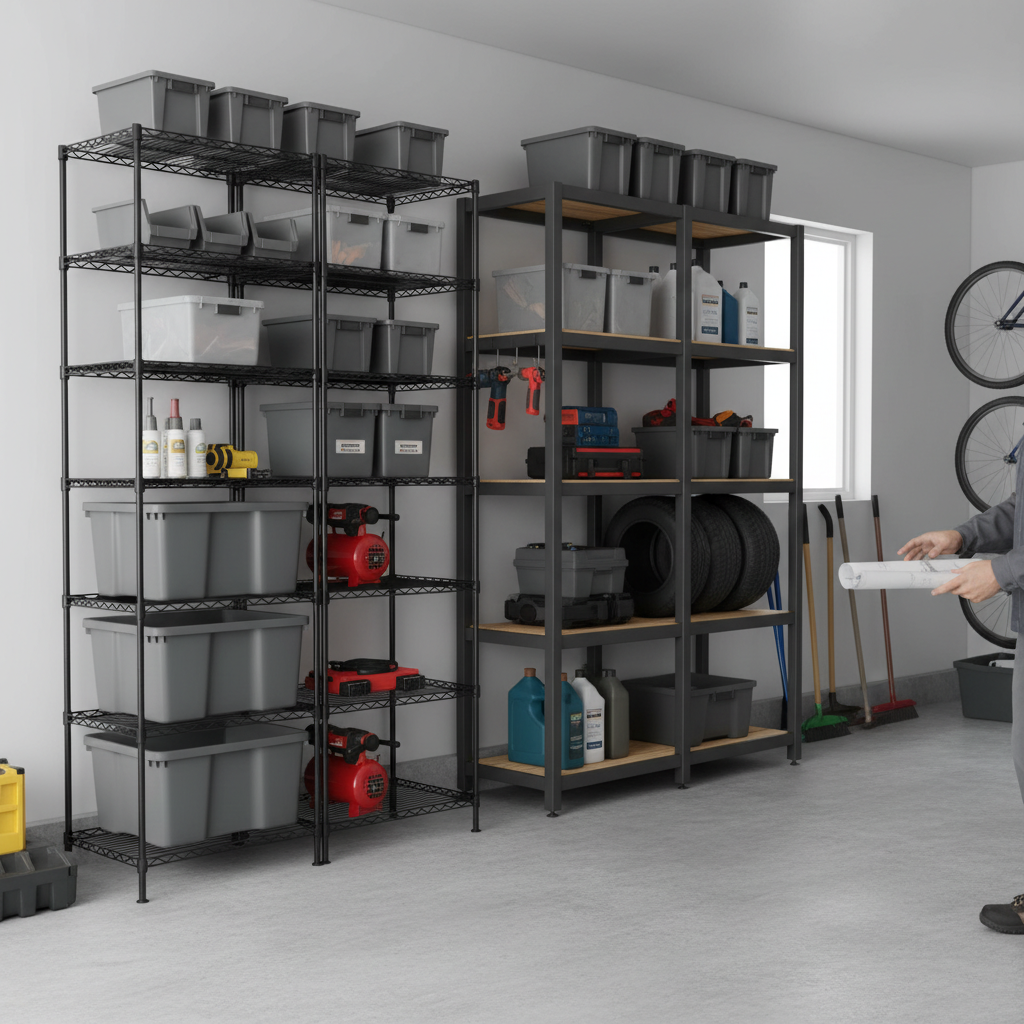
Key Factors in Choosing Modular Garage Shelving
Selecting the right modular shelving system for your garage can transform a cluttered, chaotic space into a model of efficiency and organization. Unlike fixed shelving, modular systems offer the flexibility to adapt and grow with your changing storage needs. However, the sheer variety of options available can be overwhelming. To make an informed decision, it’s crucial to break down the selection process into several key considerations, from the materials used to the weight capacity and ease of assembly.
By carefully evaluating each of the following factors, you can choose a system that not only meets your current requirements but also provides a durable, safe, and scalable solution for years to come. This guide will walk you through the essential elements to consider, ensuring you invest in a system that truly works for your space and your belongings.
1. Assess Your Storage Needs and Available Space
The first and most critical step is to perform a thorough audit of what you intend to store and the physical space you have available. Begin by categorizing your items. Are you storing heavy power tools, bulky seasonal decorations, automotive supplies, or numerous small bins of hardware? Make a rough inventory, paying close attention to the size, shape, and weight of the items. This will directly influence the required shelf depth, height, and, most importantly, the weight capacity you'll need.
Next, meticulously measure your garage. Note the ceiling height, wall width, and the total floor area you can dedicate to shelving without obstructing vehicle parking, walkways, or access to doors and utilities. Look for potential obstacles like light switches, outlets, windows, or garage door openers. Considering vertical space is key; a system with tall uprights can dramatically increase your storage capacity without consuming more floor space. This initial assessment provides the foundational data you need to filter your options and avoid purchasing a system that is either too small or too large for your garage.
2. Material Matters: Steel, Wire, Plastic, or Wood?
The material of the shelving unit is a primary determinant of its durability, strength, and suitability for the garage environment. Steel is the most popular choice for heavy-duty applications. It offers exceptional strength and rigidity, making it ideal for storing heavy tools, engine parts, and full paint cans. Look for powder-coated or galvanized steel finishes, which provide crucial resistance against rust and corrosion, a common issue in damp garage environments.
Wire shelving, typically made of chrome or epoxy-coated steel, offers a great balance of strength and practicality. The open design promotes air circulation, which helps prevent moisture buildup and mildew, and it doesn’t collect dust as solid shelves do. While generally strong, it may not be suitable for very small items that could fall through the gaps. Plastic or resin shelving is a lightweight, rust-proof, and budget-friendly option. It's easy to clean and won't be damaged by moisture, but it typically has a much lower weight capacity than steel and can become brittle in extreme cold. Wood offers a classic look and can be very strong, but it's susceptible to moisture, pests, and warping unless properly sealed and maintained.
3. Weight Capacity and Load Distribution
Never underestimate the cumulative weight of the items you plan to store. Every modular shelving system comes with a manufacturer-specified weight capacity, often listed as "pounds per shelf" and a "total system capacity." It is absolutely essential to respect these limits for safety. A common mistake is to only consider the weight of a few heavy items, forgetting that dozens of smaller, lighter items can quickly add up. Always choose a system with a weight rating that comfortably exceeds your estimated needs to build in a margin of safety.
Equally important is understanding how to distribute the load correctly. The stated capacity assumes the weight is evenly distributed across the shelf's surface. Placing a single, extremely heavy object in the center of a shelf can cause it to bow or even fail, even if the object's weight is below the shelf's total rating. Always place the heaviest items on the bottom shelves. This creates a lower center of gravity, significantly improving the stability of the entire unit and reducing the risk of it tipping over.
4. Adjustability and True Modularity
The primary advantage of a modular system is its ability to adapt. A truly versatile system will allow you to adjust the height of individual shelves with ease. This is crucial for accommodating items of various sizes, from short toolboxes to tall storage totes. Some systems use clips, pins, or slot-and-tab designs that allow for tool-free adjustments, while others may require a rubber mallet or simple tools. Consider how often you anticipate reconfiguring your layout; if you foresee frequent changes, a tool-free system will be far more convenient.
Beyond adjustable shelves, consider the system's overall modularity. Can you easily add more bays or sections to the unit later on? Does the manufacturer offer compatible accessories like drawers, pegboard panels, or cabinet modules? Choosing a system from an established ecosystem of parts ensures that you can expand and customize your storage as your needs evolve. This scalability prevents you from being locked into a fixed configuration and protects your initial investment by allowing for future growth.
5. Assembly and Installation Process
While most modular shelving systems are designed for DIY assembly, the complexity can vary significantly. Some units feature boltless designs where components simply snap or lock into place, often requiring only a rubber mallet. These are typically the fastest and easiest to assemble. Other systems may require nuts and bolts for every connection, which provides a very secure fit but can be a much more time-consuming and tedious process. Before purchasing, look for online reviews or assembly videos to get a realistic idea of the effort involved.
Installation also involves securing the unit for safety. Freestanding units should be stable on their own, but it is always recommended to anchor tall shelving units to wall studs to prevent tipping, especially in households with children or in earthquake-prone areas. Check if the system includes the necessary wall-mounting hardware or if you will need to purchase it separately. Ensure you have the right tools on hand, such as a drill, a level, and a stud finder, to complete the installation safely and correctly.
The Transformative Power of an Organized Garage
Organizing a garage with a proper shelving system goes far beyond simply tidying up. It has a profound impact on efficiency, safety, and even your peace of mind. A well-organized space transforms the garage from a "dumping ground" into a functional extension of your home. When every tool, bin, and piece of equipment has a designated spot, you save an incredible amount of time and frustration. No more searching for a specific screwdriver or digging through piles to find the holiday decorations; everything is visible and accessible.
Furthermore, a cluttered garage is a hazardous environment. Items left on the floor create serious trip hazards, and precariously stacked boxes can topple over, causing injury or damage. By moving items onto sturdy, secure shelves, you create clear, safe pathways and mitigate these risks. This is especially important for storing hazardous materials like chemicals, paint, or fertilizers, which should be kept on high shelves, out of reach of children and pets. Ultimately, reclaiming this space provides a sense of control and accomplishment, reducing stress and making your home more functional and enjoyable.
Common Questions About Garage Storage
What's the Difference Between Shelving and Racking?
While the terms are often used interchangeably, there is a technical distinction between "shelving" and "racking." Shelving is generally designed for lighter-duty applications and individual item storage. It's what you'd use for storing paint cans, toolboxes, storage totes, and other hand-loaded items. The shelves are typically solid or made of wire mesh and are supported by a frame or upright posts. The capacity is measured in hundreds of pounds per shelf.
Racking, on the other hand, refers to heavy-duty systems designed for palletized storage and loaded using a forklift or other machinery. Think of the massive systems you see in a warehouse or home improvement store. Racking is built from much thicker steel components, such as C-channel beams and uprights, and is engineered to hold thousands of pounds per level. For a typical residential garage, shelving is almost always the appropriate choice. Racking is overkill unless you are storing extremely heavy, pallet-sized loads.
Can You Install Modular Shelving on an Uneven Garage Floor?
Yes, you can, but it requires careful attention to stability. Most concrete garage floors are not perfectly level; they are often sloped slightly towards the door to allow for water drainage. Many higher-quality modular shelving systems account for this by including adjustable feet. These are threaded levelers on the bottom of each upright post that can be individually raised or lowered to ensure the unit stands perfectly plumb and stable, even on an uneven surface. This is a crucial feature for preventing the unit from wobbling or leaning.
If the system you choose does not have adjustable feet, you can use shims to level it. Shims are thin, tapered wedges made of wood or plastic that can be placed under the uprights to compensate for any gaps. Use a level on the shelves during this process to ensure the entire structure is straight. Regardless of the leveling method, anchoring the unit to the wall is even more critical on an uneven floor, as it provides the ultimate security against tipping.
How Can You Maximize Vertical Space in a Garage?
Maximizing vertical space is the secret to efficient garage storage, and modular shelving is just one part of the strategy. Start by selecting shelving units that are as tall as your ceiling allows, leaving just enough clearance for assembly and placing items on the top shelf. This immediately utilizes wall space that would otherwise be wasted. For items you access infrequently, like archival boxes or seasonal gear, the highest shelves are the perfect spot.
Beyond traditional shelving, look at other vertical and overhead solutions. Wall-mounted track systems with hooks and baskets are excellent for hanging long-handled tools, bikes, and sports equipment. For the ultimate space-saving solution, consider overhead ceiling racks. These platforms are suspended from the ceiling joists and are ideal for storing bulky but relatively lightweight items like coolers, camping gear, and empty luggage. By combining tall floor units with wall and ceiling storage, you can create a layered system that keeps the floor completely clear.
Related Resources
Putting It All Together
Choosing the right modular garage shelving is a process of matching the product's features to your specific needs. By starting with a clear assessment of your space and storage requirements, you can effectively narrow down your options. Pay close attention to material quality, weight capacity, and the level of adjustability the system offers. A system that is easy to assemble and can be securely anchored will provide a safe and lasting storage solution. By investing a little time in planning, you can select a system that not only organizes your garage today but also adapts to your needs for many years.