Comprehensive Guide to Achieving Natural Lip Enhancement
Thinking about enhancing your lips? You've come to the right place. This guide breaks down everything you need to know, from the key differences between popular dermal fillers and a "lip flip" to what you can realistically expect from the procedure.
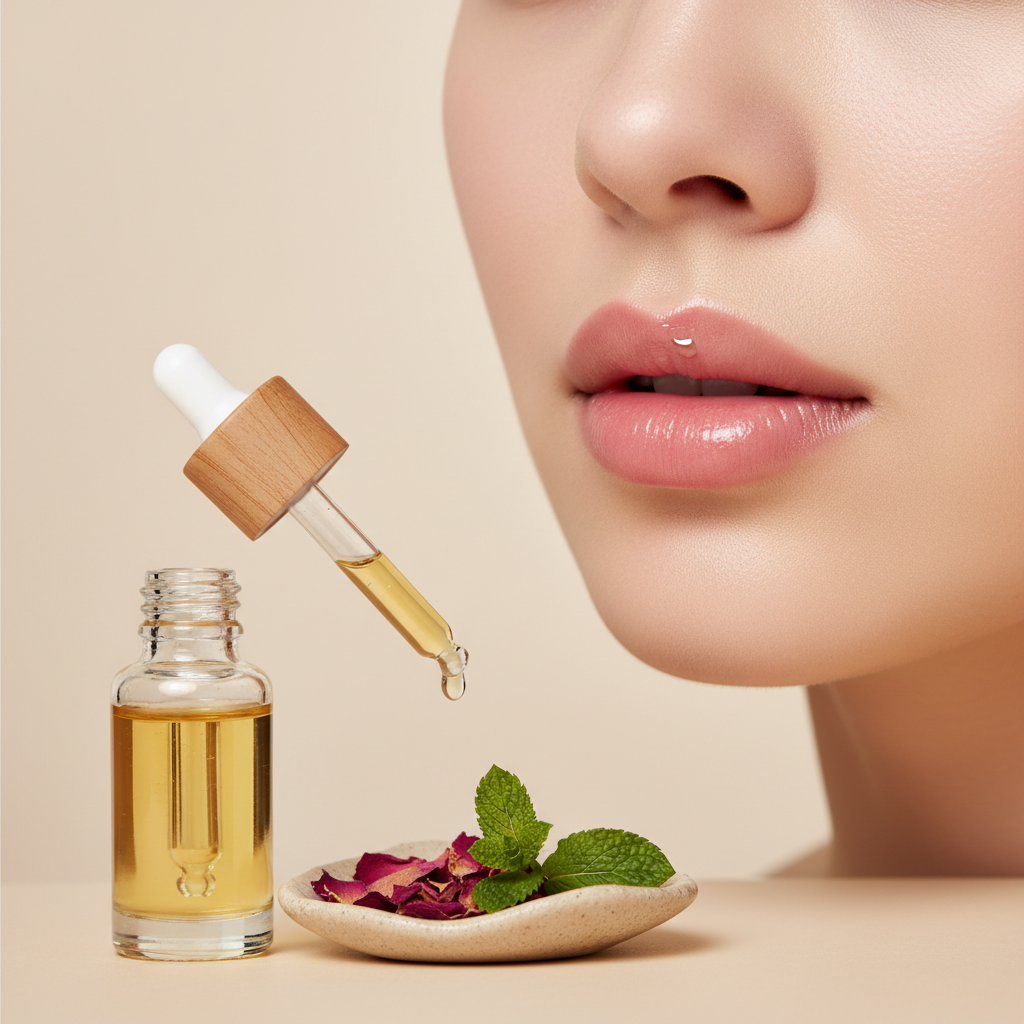
A Comprehensive Guide To Lip Enhancement
Lip enhancement has become one of the most sought-after cosmetic procedures worldwide. Whether driven by a desire to restore lost volume, correct asymmetry, or simply achieve a fuller, more defined pout, there are numerous options available to suit different goals and preferences. Understanding the landscape of lip enhancement—from temporary fillers to permanent surgical solutions—is the first step toward making an informed decision. This guide breaks down the most common methods, what to expect from each, and key considerations to keep in mind.
Understanding Lip Enhancement: What Are Your Options?
The term "lip enhancement" covers a range of procedures designed to improve the appearance of the lips. The ideal method for you depends on your aesthetic goals, desired longevity, budget, and comfort level with invasive procedures. Let's explore the leading options available today.
Dermal Fillers (The Most Popular Choice)
When most people think of lip enhancement, they are thinking of dermal fillers. This non-surgical treatment is the most common method due to its effectiveness, relative safety, and minimal downtime. The vast majority of lip fillers are made from hyaluronic acid (HA), a substance that naturally occurs in the body and helps provide hydration, volume, and structure to the skin. Because it's a substance your body already recognizes, the risk of an allergic reaction is extremely low.
The procedure is straightforward and typically completed in under an hour. It begins with a consultation to discuss your desired shape and volume. Before the injections, a topical numbing cream is applied to minimize discomfort. The practitioner then strategically injects the filler into specific areas of the lips to add volume, define the border (vermilion border), and enhance the Cupid's bow. Popular HA filler brands include Juvéderm and Restylane, each offering various formulations for subtle or more dramatic results. The effects are immediate, though minor swelling and bruising are common for a few days. Results typically last between 6 to 12 months, as the body gradually and naturally absorbs the HA.
Fat Transfer (Autologous Fat Injections)
A fat transfer, also known as autologous fat injection, offers a more natural alternative to synthetic fillers. This procedure uses your own body fat to enhance the lips. It's a two-step process that starts with liposuction to harvest a small amount of fat from another area of the body, such as the abdomen, thighs, or buttocks. This harvested fat is then purified and carefully processed before being injected into the lips to create the desired volume and shape.
The primary advantage of a fat transfer is that it uses your body's own tissue, eliminating the risk of an allergic reaction and often resulting in a very soft, natural feel. While some of the transferred fat will be reabsorbed by the body, the fat cells that successfully establish a blood supply can provide long-lasting, potentially permanent results. However, this procedure is more invasive than fillers, involves more downtime due to the liposuction, and the final outcome can be less predictable, as the survival rate of the fat cells can vary.
Lip Implants (A Permanent Solution)
For those seeking a one-time, permanent solution, lip implants are a viable option. These implants are made from soft, pliable, and solid silicone that is shaped to mimic the natural contour of a lip. Unlike liquid silicone, which is dangerous and not approved for this use, these solid implants have a strong safety record and can be removed if necessary. The procedure is surgical and typically performed under local anesthesia.
During the surgery, the practitioner makes small incisions at the corners of the mouth and creates a thin tunnel through the lip. The implant is then carefully threaded through this tunnel and positioned correctly. The incisions are closed with tiny, often dissolvable stitches. The main benefits of lip implants are their permanence and predictable, consistent results—the size you choose is the size you get. The downsides include the risks associated with any surgery, a longer recovery period, and the possibility that the implant may not feel as natural as soft tissue fillers.
Lip Lift (Surgical Reshaping)
A lip lift is a different kind of surgical enhancement that focuses on reshaping the upper lip area rather than just adding volume. This procedure is ideal for individuals who feel the distance between the base of their nose and the top of their lip (the philtrum) is too long, a feature that can become more pronounced with age. A long philtrum can make the upper lip look thin and turned inward. A lip lift shortens this space, causing more of the pink part of the lip (the vermilion) to show, creating a more youthful and pronounced pout.
The most common technique is the "bullhorn" lip lift, where the surgeon makes a small incision directly beneath the nostrils, hidden in the natural crease. A small strip of skin is removed, and the remaining skin is lifted and sutured into place, elevating the upper lip. The result is a permanently enhanced, fuller-looking upper lip and a more defined Cupid's bow. As a surgical procedure, it involves a small scar (though well-hidden), downtime, and the standard risks of surgery.
The Evolution of Lip Enhancement: From Collagen to Modern Fillers
The quest for fuller lips is not a new phenomenon, but the methods have evolved dramatically over the decades. In the early 20th century, some of the first attempts involved injecting substances like paraffin, which led to disastrous and permanent complications. Later, liquid silicone became popular but was eventually banned by the FDA for cosmetic injection due to its tendency to migrate and form hard lumps (granulomas).
The modern era of lip enhancement began in the 1980s with the introduction of bovine (cow-derived) collagen fillers. While effective, these fillers required allergy testing beforehand and had a relatively short lifespan. The true revolution came in the early 2000s with the development and FDA approval of hyaluronic acid (HA) fillers. This was a game-changer for several reasons: HA is a substance naturally found in the human body, drastically reducing the risk of allergic reactions. Furthermore, HA fillers could be dissolved with an enzyme called hyaluronidase, providing an invaluable safety net for correcting undesirable results or complications. This combination of safety, efficacy, and reversibility cemented HA fillers as the gold standard for non-surgical lip enhancement that they remain today.
Key Considerations Before Your Lip Enhancement Procedure
Making the decision to enhance your lips goes beyond just choosing a method. Proper preparation and understanding the full scope of the process are crucial for a safe and satisfying outcome. Here are some of the most common questions and topics to consider.
What Should I Expect During Recovery?
Recovery varies significantly depending on the procedure. For HA fillers, downtime is minimal. The most common side effects are localized swelling, bruising, and tenderness, which are most prominent in the first 24-48 hours and typically resolve within a week or two. Practitioners often recommend applying ice packs gently, avoiding strenuous exercise for a day, and staying hydrated to help manage swelling. You should also avoid touching or massaging the lips unless specifically instructed to do so.
Surgical procedures like lip lifts and implants involve a more significant recovery. Swelling and bruising will be more pronounced and can last longer. Stitches may need to be removed after about a week, and you will likely have restrictions on certain foods and activities to avoid straining the incision sites. Your surgeon will provide detailed post-operative care instructions to ensure proper healing and minimize the risk of infection or scarring.
How Do I Choose the Right Practitioner?
This is arguably the most important decision you will make in your lip enhancement journey. The skill and experience of your injector or surgeon will determine the quality and safety of your results. Always seek a licensed and qualified medical professional. This includes board-certified dermatologists, plastic surgeons, or highly trained and certified aesthetic nurse practitioners working under medical supervision. Be wary of "deals" that seem too good to be true or practitioners operating outside of a proper medical setting.
Before committing, schedule a consultation. Use this time to ask questions about their experience with the specific procedure you're interested in. Ask to see a portfolio of their before-and-after photos, paying close attention to results that look natural and are similar to what you hope to achieve. A good practitioner will listen to your goals, assess your facial anatomy, explain the risks and benefits clearly, and create a customized treatment plan rather than offering a one-size-fits-all approach.
Are There Non-Invasive Alternatives?
For those not ready to commit to injectables or surgery, there are some non-invasive options, though their effects are temporary and far more subtle. Topical lip-plumping glosses and serums are widely available and typically contain ingredients like cinnamon, menthol, or peptides that cause a mild irritation or boost hydration, leading to temporary swelling and a fuller look that lasts for a few hours. These are great for a special event but provide no lasting change.
Another category includes at-home lip-plumping devices that use suction to temporarily engorge the lips with blood. While these can create a dramatic short-term effect, they carry risks of significant bruising, blistering, and even permanent damage if used improperly. Ultimately, these alternatives do not offer the same level of precision, control, or longevity as professional medical procedures and should be approached with caution.
Final Thoughts
Lip enhancement offers a wide array of choices to help individuals achieve their aesthetic goals. From the temporary and reversible nature of hyaluronic acid fillers to the permanent and structural changes offered by implants and lip lifts, there is a solution for nearly every need. The best path forward depends on your personal anatomy, desired outcome, budget, and tolerance for downtime and risk. The cornerstone of a successful experience is thorough research and, most importantly, choosing a skilled, board-certified practitioner who can guide you safely toward a result that enhances your natural beauty.
For more information from trusted sources, you can visit: