Comprehensive Guide to Eliquis Patient Assistance Programs in 2026: What You Need to Know
Discover the latest updates on Eliquis Patient Assistance Programs for 2026. These programs offer crucial support for eligible patients needing help with medication costs. Learn how to navigate the application process and explore various available options.
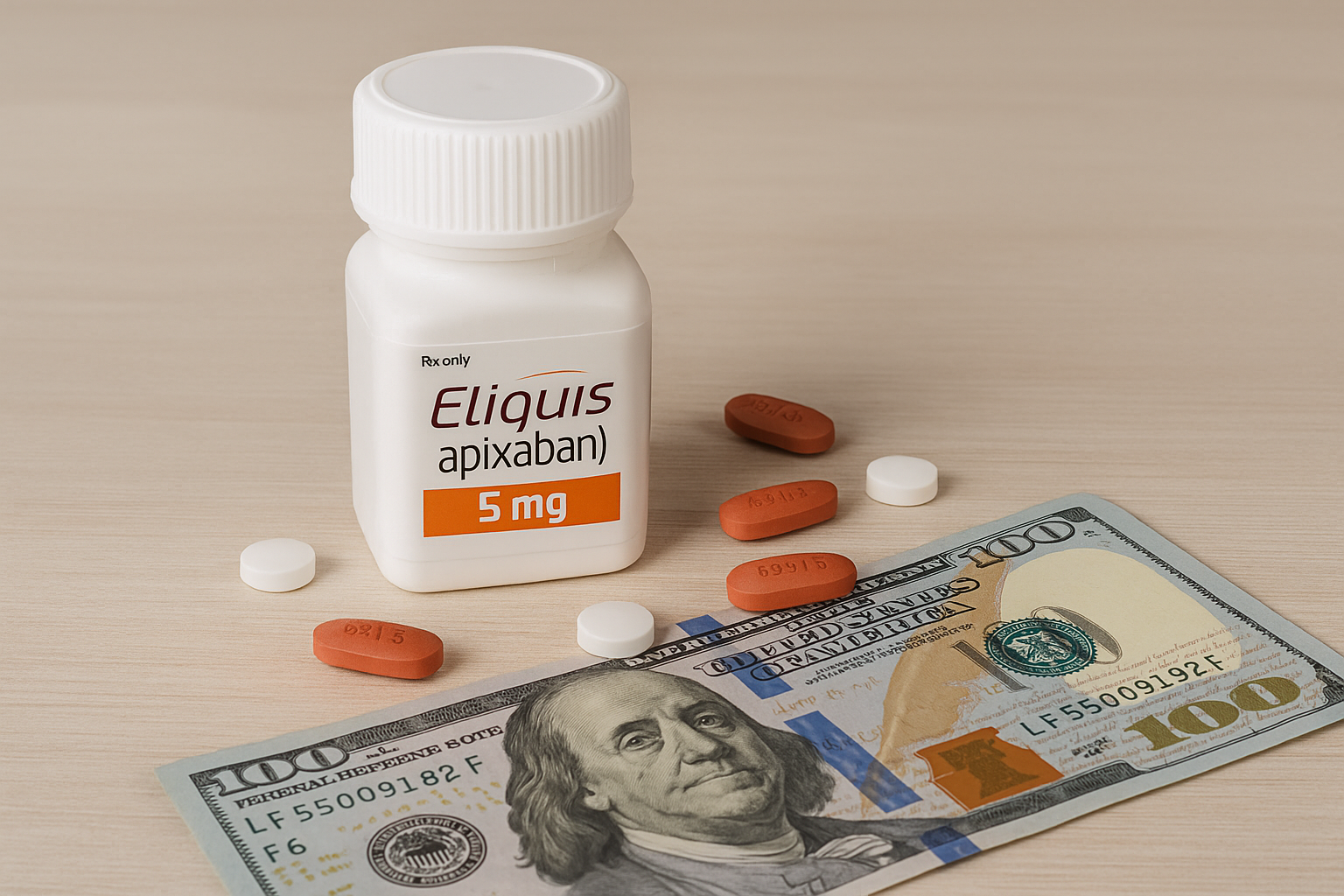
Understanding Eliquis Patient Assistance Programs in 2026
When managing chronic conditions such as atrial fibrillation or the risk of stroke and blood clots, Eliquis is a commonly prescribed anticoagulant. However, the cost of this medication can be a significant burden for many people. In 2026, Eliquis Patient Assistance Programs (PAPs) are more essential than ever, providing financial relief to patients who qualify. This article explores the nuances of these assistance programs, offering insights and guidance for those in need.
What are Eliquis Patient Assistance Programs?
Eliquis Patient Assistance Programs are sponsored by the drug manufacturer or third-party organizations to help patients gain access to this vital medication at little or no cost. These programs are designed to aid individuals who meet specific income thresholds and lack adequate prescription coverage.
- Manufacturer-Sponsored Programs: These are typically funded directly by the pharmaceutical company, in this case, Bristol-Myers Squibb or its partners. They're aimed at supporting uninsured or underinsured patients.
- Non-Profit Organizations: Various non-profit bodies provide assistance programs, often covering a broader range of medication support depending on individual needs and circumstances.
- Federal and State Programs: Some programs can include help from state-run initiatives that provide medication assistance as part of health and welfare services.
Who Qualifies for Eliquis Patient Assistance Programs?
Eligibility for PAPs in 2026 is usually based on several criteria, including:
- Income Threshold: Many programs require that applicant's household income does not exceed a certain percentage of the Federal Poverty Level (FPL). Typically, this ranges from 200% to 400% of the FPL, though exact numbers can vary by program.
- Lack of Insurance Coverage: Applicants often need to lack sufficient prescription drug coverage. Those with Medicare Part D may still qualify, depending on exhaustion of other options and meeting specific criteria.
- Residency Status: Programs often require applicants to be legal residents of the country where the program is available, with some requiring state residency.
How to Apply for Eliquis Assistance
Applying for Eliquis assistance typically involves several steps:
- Research Eligible Programs: Start by identifying which programs are available and applicable to your situation. Websites like NeedyMeds and the Partnership for Prescription Assistance can be excellent resources for finding comprehensive information.
- Gather Necessary Documentation: You'll generally need proof of income, residency, and lack of insurance coverage. Having these documents ready can streamline your application process.
- Complete Application Forms: Each program will have its unique forms. It's crucial to fill these out accurately and completely to avoid delays. Many applications can be submitted online, but paper forms might also be required in some cases.
Once your application is submitted, it may take several weeks to process. Communication with program representatives for updates or additional information is encouraged to avoid delays.
Real-World Impact of PAPs in 2026
According to a 2026 healthcare access survey, patients enrolled in PAPs report a decreased financial burden and improved adherence to prescribed medication regimens. For instance, an Eliquis user named Lisa shared her story where, after enrolling in a PAP, her out-of-pocket cost reduced from $450 per month to nothing, allowing her to focus her finances on managing other health-related expenses.
Statistics from 2026 indicate that over 1.5 million Americans are aided by such programs annually, highlighting the significant impact these initiatives have on public health and individual well-being.
Common Challenges and How to Overcome Them
While PAPs offer invaluable support, they come with challenges:
- Complex Application Processes: Patients often find the application process daunting. To combat this, many non-profits now offer counseling services to assist and guide patients through their applications.
- Limited Timeframes: Assistance is sometimes granted for limited periods, necessitating reapplication or further negotiation for extended help. Maintaining regular contact with program administrators can help manage timelines and application expectations effectively.
- Awareness: Lack of information is a significant barrier. Community health workshops and healthcare provider education are crucial in spreading knowledge about such programs.
Conclusion and Future Directions
As healthcare costs continue to rise in 2026, Eliquis Patient Assistance Programs play a crucial role in helping individuals manage their health without financial devastation. Through continuous improvement and expansion of these programs, as well as increased awareness, the goal is to provide more inclusive and efficient healthcare access.
Looking forward, there is a clear need for broader legislation to standardize assistance eligibility and processes, ensuring that medications like Eliquis are accessible to all who need them. By leveraging technology and organizing community outreach, these programs can continue to evolve and meet the growing demand.
Further Reading and Resources
For those seeking more information, consider the following resources:
- NeedyMeds - A comprehensive database of patient assistance programs.
- Partnership for Prescription Assistance - Offers guidance and support for accessing pharmaceutical aid.
- Healthcare.gov - A federal resource for health insurance information and assistance.
- https://www.eliquis.bmscustomerconnect.com/support