Comprehensive Guide to the Top 10 Stroke Treatment Hospitals in Canada
Explore the leading hospitals renowned for their exceptional stroke treatment services in Canada. Our curated list of the Top 10 Best Hospitals for Stroke Treatment in Canada provides insights into where cuttingedge medical care meets compassionate support.
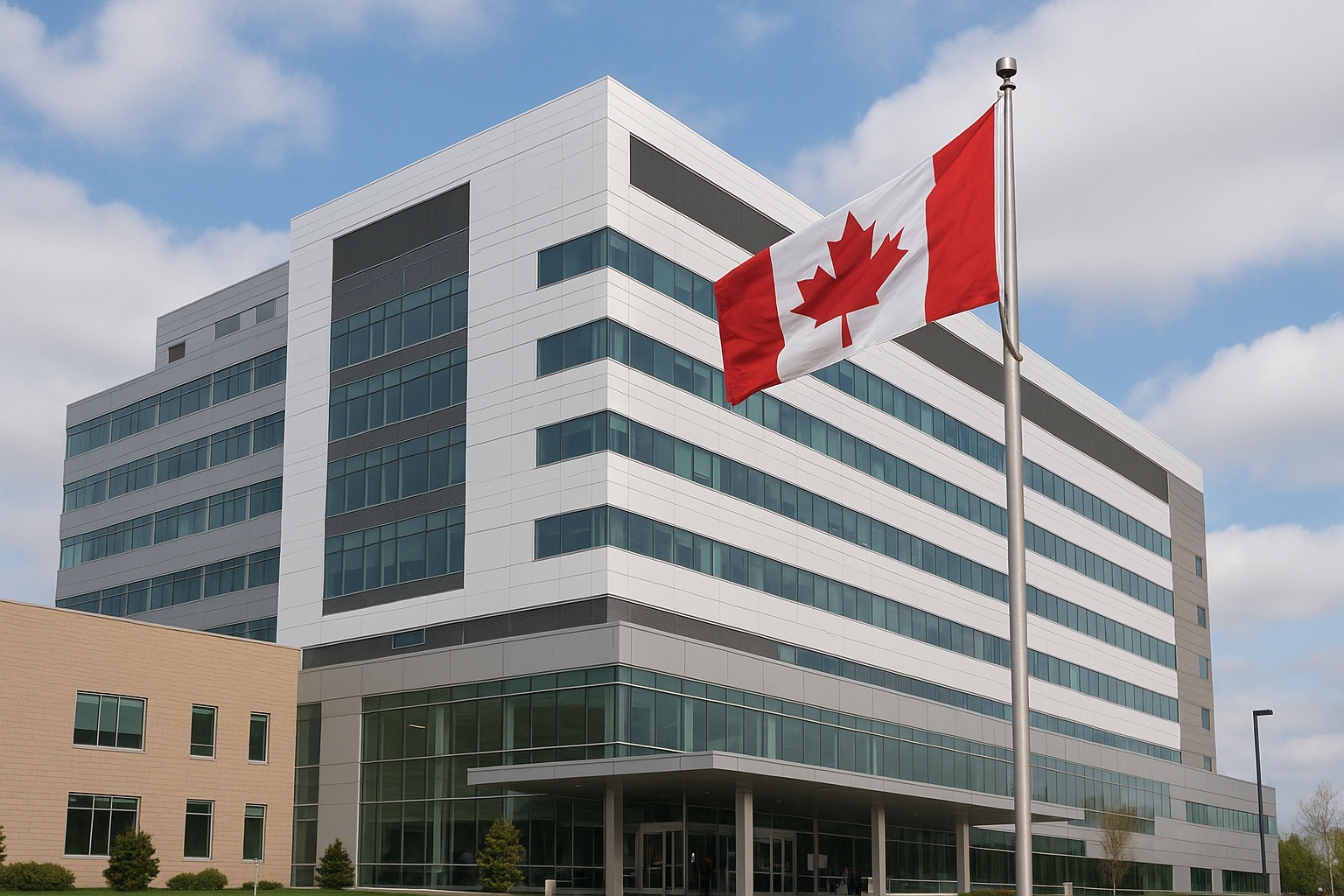
The Importance of Stroke Treatment
Strokes are a leading cause of death and disability worldwide. In Canada, the impact of stroke is significant, with over 62,000 incidents occurring each year. The need for rapid, effective treatment is crucial in reducing both mortality and potential long-term disabilities. The quality of care and speed of intervention can vastly influence patient outcomes, making the choice of hospital a vital decision for recovery.
What Makes a Hospital Top-Rated for Stroke Treatment?
When assessing the best hospitals for stroke treatment, there are several key factors to consider:
- Advanced Stroke Care Units: Hospitals should have specialized units with state-of-the-art equipment for diagnosing and treating strokes efficiently.
- Experienced Neurology Teams: A dedicated team of neurologists and neurosurgeons specializing in stroke care is crucial for providing expert treatment.
- Comprehensive Rehabilitation Programs: Post-stroke rehabilitation programs aid in recovery and reduce the likelihood of recurring strokes.
- Access to Cutting-edge Therapies: The availability of the latest treatments, such as mechanical thrombectomy and neuroprotective therapies, can significantly improve outcomes.
- Accreditation and Outcomes: Accreditation by relevant medical boards and positive patient outcomes are also indicators of quality care.
Top 10 Best Hospitals for Stroke Treatment in Canada
1. Toronto Western Hospital
Part of the University Health Network, Toronto Western Hospital is a leader in neurology and stroke care. It offers a comprehensive range of services, including emergency neurologic interventions and rehabilitation. The hospital's integration of research and clinical care ensures patients receive the latest treatment options.
2. Vancouver General Hospital
Vancouver General Hospital has a renowned Neurovascular Clinic, offering advanced care for stroke patients. The hospital's interdisciplinary team provides personalized treatment plans that integrate acute care and extensive rehabilitation programs.
3. Foothills Medical Centre, Calgary
Known for its cutting-edge facilities, Foothills Medical Centre is a pioneer in stroke treatment and research. The hospital's Stroke Centre offers the highest standards of acute care and innovative therapy options, making it a top choice for patients.
4. St. Michael’s Hospital, Toronto
St. Michael’s Hospital is recognized for its comprehensive stroke program, which includes rapid diagnosis, emergency care, and rehabilitation. The hospital's partnership with academic institutions ensures that stroke treatment strategies are continually evolving and improving.
5. The Ottawa Hospital
The Ottawa Hospital excels in patient-centered care and is equipped with a stroke prevention clinic. It also provides specialized services such as patient education programs, helping individuals understand and manage their condition effectively.
6. London Health Sciences Centre
As a center of excellence for neuroscience, London Health Sciences Centre offers high-level stroke care, including acute treatment and rehabilitation. The hospital is actively engaged in clinical trials, offering patients access to groundbreaking therapies.
7. Sunnybrook Health Sciences Centre, Toronto
Sunnybrook is known for its Odette Stroke Centre, which provides a comprehensive range of services from emergency care to post-stroke rehabilitation. Its research center plays a vital role in developing new treatment techniques to improve patient outcomes.
8. Health Sciences Centre Winnipeg
Home to the Canadian Stroke Network, Health Sciences Centre Winnipeg offers advanced stroke care facilities and a dedicated team of specialists focused on acute management and prevention strategies.
9. Jewish General Hospital, Montreal
The Jewish General Hospital is part of the McGill University Health Centre network and is recognized for its sophisticated stroke treatment and prevention programs, which include state-of-the-art neuroimaging and prompt intervention capabilities.
10. Queen Elizabeth II Health Sciences Centre, Halifax
A leader in stroke prevention and treatment, QEII Health Sciences Centre offers a precise balance of emergency care and long-term rehabilitation. The hospital is dedicated to community education and the advancement of stroke recovery techniques.
Questions to Consider When Choosing a Stroke Treatment Facility
Deciding where to seek stroke treatment can be daunting. Here are some questions to help guide your decision:
- Does the hospital offer a dedicated stroke unit? Units specialized in stroke care can significantly improve recovery rates.
- What is the hospital's track record with stroke patients? Reviewing patient outcomes can provide insight into the quality of care.
- Are there comprehensive rehabilitation programs available? Post-stroke recovery often requires extensive therapy, so this is a crucial factor.
- Is the hospital involved in stroke research or clinical trials? This indicates a commitment to staying at the forefront of treatment advancements.
The Future of Stroke Treatment in Canada
With continuous advancements in medical technology and treatment methodologies, the future of stroke treatment in Canada looks promising. Institutions like the Toronto Western Hospital and Vancouver General Hospital are at the forefront of research, incorporating new therapies and technologies that promise to improve outcomes significantly.
The integration of AI in stroke diagnosis and treatment, such as utilizing machine learning for predictive modeling and acute care management, is a notable development anticipated to enhance efficacy and personalization of care in the coming years.
Furthermore, initiatives focusing on public awareness and preventive strategies are expected to reduce the incidence of strokes across the nation, fostering a holistic approach to treatment and prevention.
Conclusion
Choosing the right hospital for stroke treatment in Canada requires careful consideration of various factors, including the hospital's capabilities, the breadth of services provided, and the expertise of its staff. The landscape of stroke care is continuously evolving, and staying informed about these advancements is essential for making the best healthcare decisions.
For further information, you can refer to [Heart & Stroke Canada](https://www.heartandstroke.ca/) and [Canadian Stroke Best Practices](https://www.strokebestpractices.ca/), which provide comprehensive resources on stroke care and prevention.