Cut Down Your Electric Bill: Discover the Top 10 Energy-Draining Household Items
Discover how common household items could be driving up your electricity bill without you noticing! Our Top 10 Household Items That Waste Electricity uncovers everyday appliances that might be secretly consuming more energy than expected.
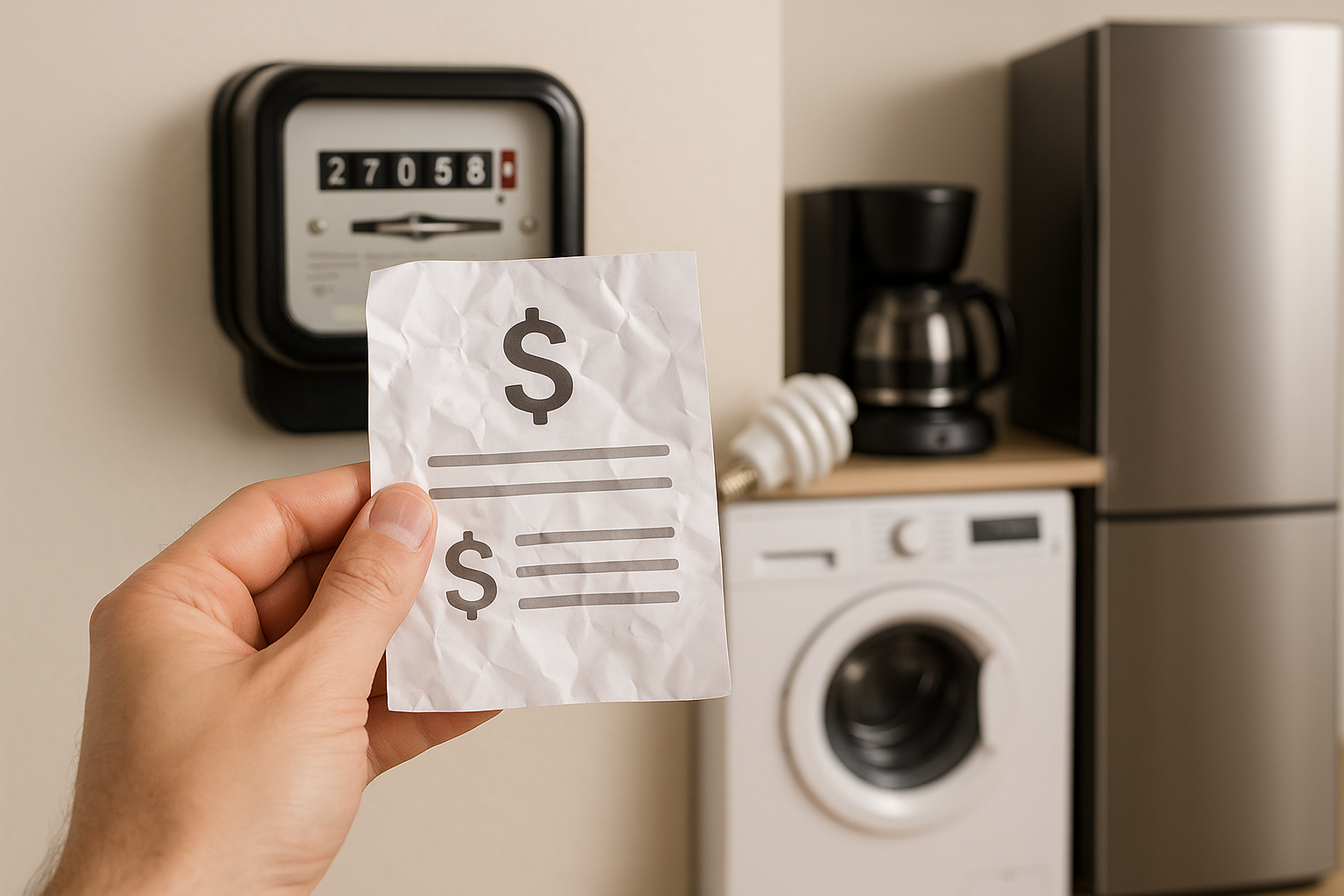
Understanding Electricity Consumption in Your Home
With the rising costs of energy and growing concerns about environmental impact, understanding how electricity is consumed in our homes has never been more vital. Many household items contribute to higher energy usage more than we might realize. Identifying these high-energy-consumption items can help reduce bills and lessen our carbon footprint. Let's delve into the top 10 household items that waste electricity and explore how we can minimize their impact.
Top 10 Household Items That Waste Electricity
1. Air Conditioners and Heaters
Air conditioning and heating systems are often the largest energy consumers in households. According to the U.S. Energy Information Administration, heating and cooling account for about 50% of a typical U.S. home's energy usage as of 2026. Inefficient systems, poor insulation, and not using programmable thermostats can lead to significant energy waste.
Tip: Regular maintenance and upgrading to energy-efficient models can drastically lower electricity consumption.
2. Refrigerators
Refrigerators are necessary for food storage but are constant energy consumers because they run 24/7. Newer models are generally more energy-efficient than older ones. However, even new refrigerators can waste energy due to poor placement or leaving the door open for extended periods.
Tip: Keep your refrigerator full to maintain cool temperatures and ensure door seals are tight. Consider upgrading to an Energy Star-rated model if yours is over a decade old.
3. Water Heaters
Water heating can take up to 14–20% of your household's energy usage. Many people set their water heaters too high or fail to insulate them, causing unnecessary energy loss.
Tip: Reduce your water heater’s temperature to 120 degrees Fahrenheit and use water heater insulators to save on your energy bills.
4. Televisions and Gaming Consoles
Modern TVs and gaming consoles are continually evolving into more advanced devices, capable of consuming significant energy, especially when left on or in standby mode. According to recent studies, standby power can account for 5–10% of your home electricity use.
Tip: Use smart power strips or unplug devices when not in use to stop these energy vampires.
5. Clothes Dryers
Clothes dryers rank high among the energy-intensive household appliances. Energy probably gets wasted on inefficient cycles, overloading, or drying only a few clothes at a time.
Tip: Whenever possible, air dry clothes or use the dryer more efficiently by using moisture sensors and running full loads.
6. Dishwashers
Dishwashers can also misuse energy, especially older models that aren't Energy Star-rated. Additionally, running dishwashers with half loads can waste not just electricity but water as well.
Tip: Run your dishwasher only with a full load and consider using an economy setting to save energy and water.
7. Lighting
Although lighting may not seem like a large energy user, inefficient light bulbs contribute significantly to energy waste. The use of incandescent or halogen bulbs can drastically increase energy bills compared to LEDs or CFLs.
Tip: Switch to LED lighting to save money and reduce energy usage by about 75%.
8. Computers and Laptops
Leaving computers and laptops on throughout the day or overnight wastes a considerable amount of energy. They may not consume as much as some household appliances, but it adds up over time, especially if you have multiple devices.
Tip: Utilize sleep mode or turn off devices when not in use, and consider power management settings for energy efficiency.
9. Washing Machines
Just like dryers, washing machines can be significant energy consumers, especially older models. Hot water usage significantly impacts energy consumption when washing clothes.
Tip: Wash clothes in cold water and ensure the load is full to maximize energy efficiency.
10. Electric Ovens
Electric ovens, especially those without convection features, are incredibly energy-intensive. Many people are unaware of how much energy they can save by reducing usage or tweaking food preparation habits.
Tip: When practical, use microwaves, toaster ovens, or slow cookers instead of electric ovens. They are generally more energy-efficient for small meals.
The Importance of Energy Efficiency
Making an effort to reduce your household’s electricity consumption not only saves money but also has a significant impact on environmental conservation. Implementing simple changes to avoid unnecessary energy use can lead to substantial savings on utility bills and contribute to a more sustainable future.
Homes that actively manage electricity use through energy-efficient appliances and mindful consumption habits can see reductions of up to 30% in electricity use according to the latest research. This can translate to hundreds of dollars saved annually.
How to Reduce Household Energy Waste
Here are a few additional strategies to help reduce electricity waste in your home:
- Implement home automation technologies to better control energy usage.
- Conduct a home energy audit to identify inefficiencies and potential savings.
- Incorporate renewable energy sources, like solar panels, where possible.
- Stay informed about the latest energy-saving technologies and updates by subscribing to energy-efficiency newsletters or blogs.
Learning about and understanding the energy consumption of various household items is the first step towards a more energy-efficient lifestyle. By recognizing which appliances are the most significant energy-wasters, you can make informed decisions and manage your energy consumption more effectively.