Delicious and Nutritious: Top 5 Foods to Boost Your Vitamin D Levels Naturally
Struggling with Vitamin D deficiency? Discover the top 5 foods that could help boost your Vitamin D levels naturally. This carefully curated list highlights popular foods rich in Vitamin D, offering an informative guide to incorporating them into your diet.
Understanding Vitamin D Deficiency
Vitamin D deficiency is a common issue affecting millions of people worldwide. It can lead to bone health problems and other health issues. Given that Vitamin D is essential for calcium absorption and maintaining bone health, understanding its significance is crucial. According to recent studies, approximately 50% of the global population may suffer from Vitamin D insufficiency. (Source: NIH).
Vitamin D deficiency occurs due to several factors such as lack of sunlight exposure, dietary insufficiency, and certain medical conditions. Here's a deep dive into foods that can help you combat this deficiency.
Top 5 Foods To Eat If You Have Vitamin D Deficiency
1. Fatty Fish
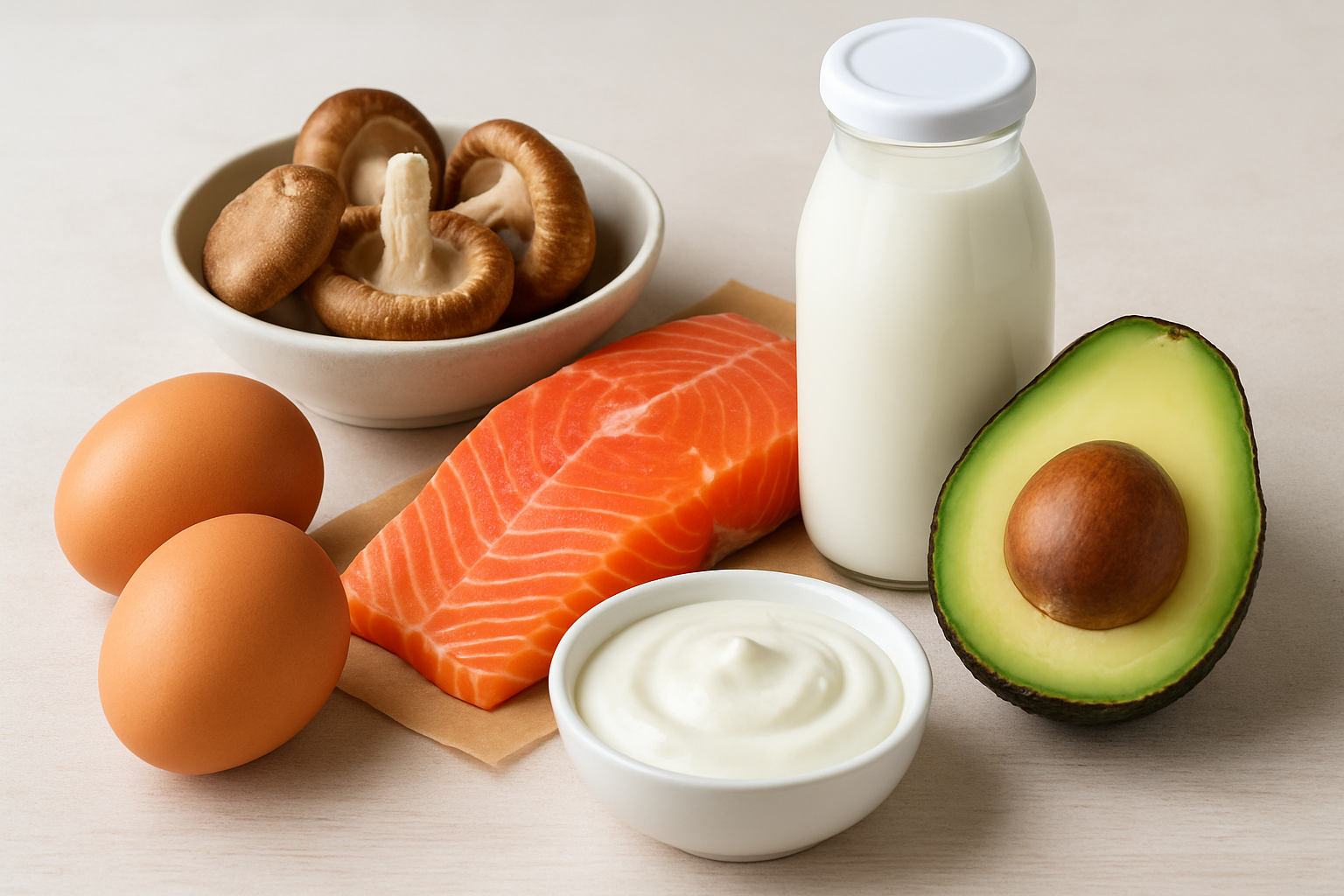
Fatty fish are an excellent source of Vitamin D. Types like salmon, mackerel, and sardines are not only rich in Vitamin D but also pack a punch with omega-3 fatty acids, which are beneficial for heart health. A 3.5-ounce (100-gram) serving of salmon can contain up to 600-1000 IU of Vitamin D. Including fatty fish in your diet twice a week can help in improving your Vitamin D levels significantly.
2. Cod Liver Oil
Cod liver oil is a popular supplement for gaining Vitamin D and omega-3 fatty acids. Just one tablespoon (approximately 14 grams) of cod liver oil can provide about 1,360 IU of Vitamin D, surpassing the recommended daily allowance. It can be consumed in liquid form or as capsules.
3. Egg Yolks
Egg yolks are another convenient source of Vitamin D. While the amount of Vitamin D in eggs depends on the sun exposure and Vitamin D content of the chicken feed, an average egg yolk contains around 40 IU of Vitamin D. Consuming eggs regularly will also provide you with essential nutrients like protein and healthy fats.
4. Fortified Foods
Fortified foods are an excellent choice for vegetarians and those who might not consume enough Vitamin D-rich natural foods. Commonly fortified products include cow’s milk, orange juice, and cereals. For example, a glass of fortified milk can provide up to 130 IU of Vitamin D. Always check the labeling to ensure you’re choosing fortified options.
5. Mushrooms
Mushrooms are unique because they can synthesize Vitamin D when exposed to sunlight. Wild mushrooms are especially high in Vitamin D2, a form that human bodies can use. A half cup (about 70 grams) of exposed mushrooms may contain around 2300 IU of Vitamin D2. Consider incorporating them into your meals for a plant-based boost in Vitamin D levels.
Real-World Examples of Combating Vitamin D Deficiency
Many people have successfully improved their Vitamin D levels by adjusting their diets. Take Jane, for instance, a teacher from Massachusetts. After her physician diagnosed her deficiency, Jane integrated more salmon and fortified cereal into her weekly meal plan. Within six months, her Vitamin D levels were on target, and she noticed an improvement in her energy levels.
Other Ways to Increase Vitamin D Levels
Sunlight Exposure
Sun exposure is a natural source of Vitamin D. Spending about 15-30 minutes in the sun a few times a week without sunscreen can boost your Vitamin D levels. However, it is crucial to balance sun exposure with skin cancer risk, especially in regions with high UV index.
Supplements
For those who find it challenging to get sufficient Vitamin D through diet and sunlight, supplements can be a viable option. They are available in both Vitamin D2 and D3 forms, with many studies suggesting D3 to be more effective at raising blood levels of Vitamin D. Always consult with a healthcare provider before starting any supplement regimen.
The Broader Impact of Maintaining Healthy Vitamin D Levels
Keeping your Vitamin D levels in check doesn't just benefit bone health. Adequate Vitamin D is linked to better immune function, reduced inflammation, and potential support in managing depression. Moreover, a recent study highlights the role of Vitamin D in reducing risks of respiratory infections. This makes it a crucial nutrient for overall well-being in today’s world.
Ultimately, addressing Vitamin D deficiency involves a comprehensive approach that includes dietary adjustments, lifestyle changes, and possibly supplementation. By doing so, you can ensure optimal health and resilience against various health conditions.