Delicious Foods That Support Healthy Blood Sugar Management
Discover how incorporating certain foods into your diet may complement your medication to help maintain healthier blood sugar levels. While medications play a crucial role, some foods have potential benefits for managing blood sugar.
The Importance of Managing Blood Sugar Levels
Managing blood sugar levels is crucial for everyone, especially those diagnosed with diabetes or prediabetes. Proper management helps prevent complications such as heart disease, kidney damage, and neuropathy. Along with medication, dietary changes play a vital role in controlling these levels. Understanding which foods can help reduce blood sugar is an important step in maintaining overall health.
How Diet Affects Blood Sugar
Carbohydrates, proteins, and fats all affect blood sugar differently. Carbohydrates have the most significant impact, as they are converted quickly into glucose. Managing carbohydrate intake can help stabilize blood sugar levels. Proteins and fats slow down the process of sugar absorption, leading to less drastic spikes in blood sugar.
Key Foods That Reduce Blood Sugar
Here are some foods that not only provide essential nutrients but also help in reducing and stabilizing blood sugar levels:
- Leafy Greens: Vegetables like spinach, kale, and Swiss chard are low in calories and carbohydrates, making them ideal for blood sugar control. They also contain antioxidants that protect against inflammation.
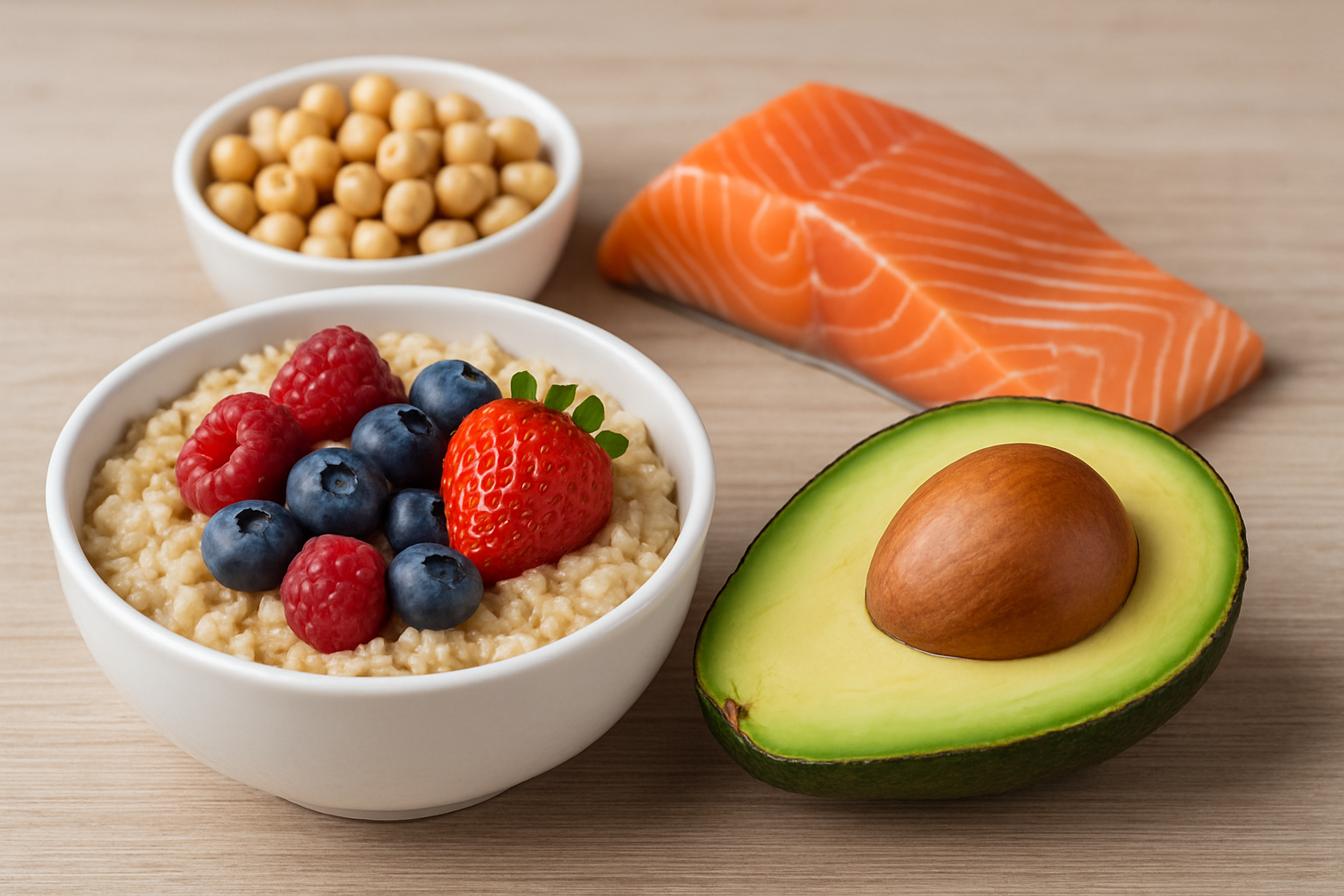
- Whole Grains: Incorporating whole grains such as barley, oats, and quinoa can help in maintaining stable blood sugar levels. These grains have a lower glycemic index and release glucose more slowly into the bloodstream.
- Nuts and Seeds: Almonds, walnuts, flaxseeds, and chia seeds provide fiber and healthy fats. They can slow glucose absorption and keep blood sugar levels stable.
- Berries: Berries like strawberries, blueberries, and raspberries are rich in fiber and have a lower sugar content compared to other fruits, making them a good choice for blood sugar control.
- Legumes: Beans, lentils, and chickpeas are high in protein, fiber, and resistant starch, which helps in slowing down the digestion process and preventing blood sugar spikes.
Integrating These Foods into Your Diet
To successfully incorporate these foods into your diet, consider making the following adjustments:
Meal Planning and Preparation
Start by planning your meals around whole foods that are minimally processed. Cook meals in advance to ensure you have healthy options readily available. For example, prepare a large batch of quinoa or brown rice to serve as a base for different meals throughout the week.
Balancing Meals
Ensure that each meal contains a balance of protein, fats, and carbohydrates. For instance, pair leafy greens with grilled chicken and a side of whole-grain bread to create a balanced plate that will not cause sudden blood sugar spikes.
Snacking Smart
Opt for nuts, fruits like berries, or Greek yogurt instead of sugary snacks. These healthier alternatives will satisfy hunger without affecting your blood sugar negatively.
Combining Food Choices with Medical Guidance
While dietary changes can significantly affect blood sugar levels, medication is often necessary for those with diabetes or prediabetes. Always consult with a healthcare provider before making any major changes to your diet or medication regimen.
Consulting a Dietitian
A registered dietitian can provide personalized advice tailored to your specific needs. They can help create a meal plan that complements your medication regime and supports your overall health goals.
Regular Monitoring
Frequent monitoring of blood sugar levels can help you and your healthcare provider understand how different foods affect you. Using devices such as continuous glucose monitors (CGMs) can offer real-time data, allowing for prompt adjustments to diet and medication.
Conclusion
Managing blood sugar involves more than just medication. Incorporating the right foods into your diet can make a substantial difference in controlling blood sugar levels and preventing complications. Make sure to discuss any dietary changes with your healthcare provider to ensure they are safe and beneficial for your specific health condition.
For further reading and credible resources, you can visit: