Demystifying Pet Insurance: Understanding Waiting Periods Before You Buy
Understanding pet insurance waiting periods is crucial for every pet owner considering coverage. Discover how these initial pauses before your policy kicks in can affect your claims and why each insurance provider sets different durations.
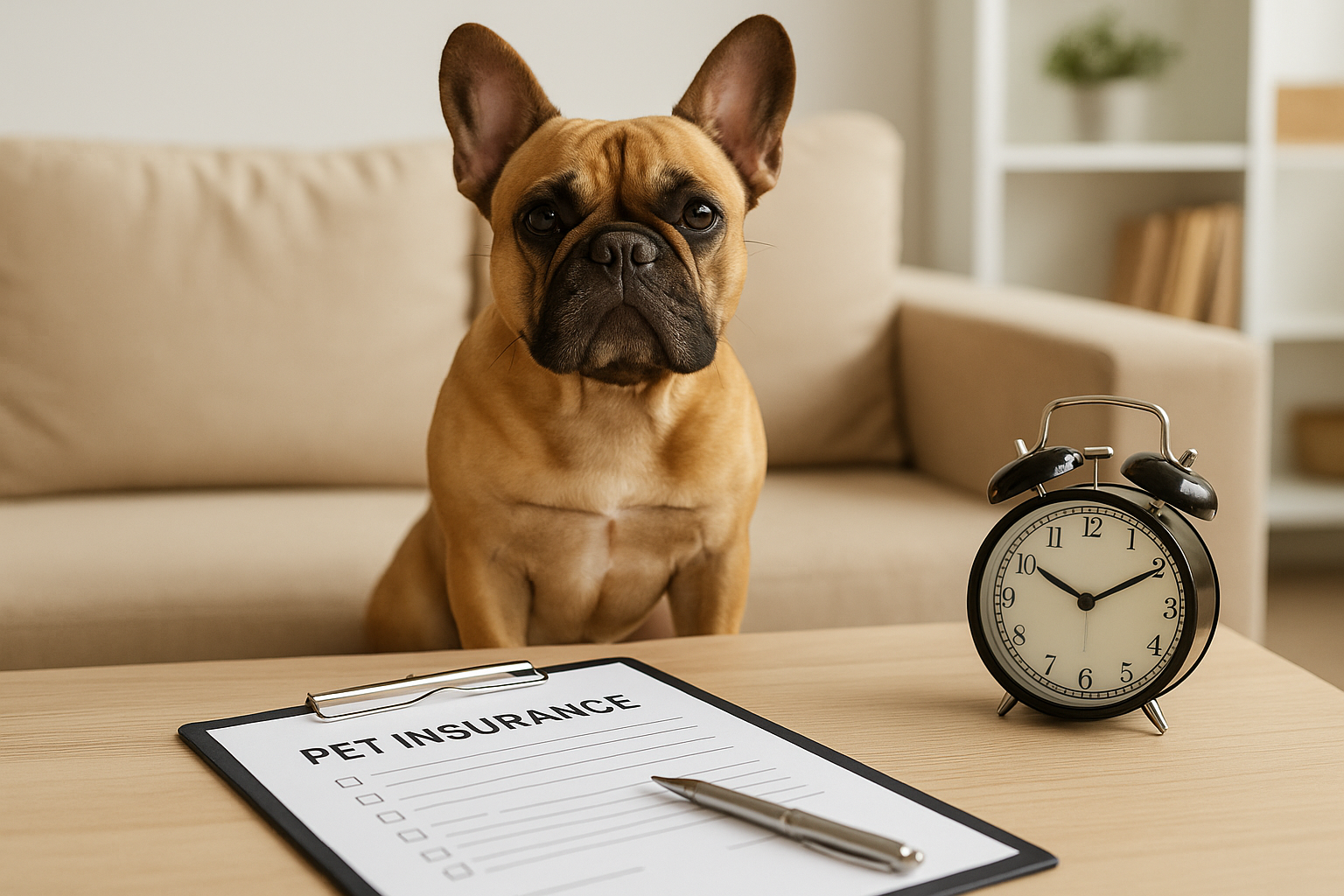
Understanding Pet Insurance Waiting Periods
When it comes to pet insurance, there are many factors to consider to ensure your furry family member gets the best care possible. One crucial aspect is the waiting period, a timeframe all pet insurance policies implement before coverage begins. Understanding how these waiting periods work can be essential in planning for your pet’s healthcare needs.
What Is a Waiting Period?
A waiting period in pet insurance is the timeframe after enrolling in a policy, during which certain coverages are not in effect. Essentially, it’s the period you must wait before you can make a claim for certain conditions or treatments. This measure helps insurance companies prevent fraud and ensure that policyholders do not sign up only when they foresee immediate veterinary expenses.
For instance, if your pet shows symptoms of a condition or gets injured before the waiting period is over, the insurance company may deny the claim because the condition existed prior to coverage.
Why Do Waiting Periods Exist?
Waiting periods serve several purposes in the insurance industry:
- Preventing Fraud: By setting a waiting period, insurance providers reduce the risk of individuals purchasing policies only after an accident or illness has occurred.
- Risk Management: These periods allow insurers to manage and assess their risk portfolios more effectively, sustaining the availability and viability of affordable premiums for all policyholders.
- Encouraging Responsible Decisions: Immediate coverage could incentivize pet owners to delay important health decisions. With a waiting period, owners must think long-term about their pet’s health insurance.
Types of Waiting Periods in Pet Insurance
Waiting periods can vary significantly between insurers, but they generally fall into several categories:
- Accident Waiting Period: This period can be as short as 24 hours or up to several days. It covers accidental injuries such as broken bones or ingesting toxic substances.
- Illness Waiting Period: Typically longer than accident waiting periods, usually spanning 14 to 30 days. This waiting period covers illnesses such as cancer or diabetes.
- Condition-Specific Waiting Periods: Some insurers have extended waiting periods for specific conditions like cruciate ligament issues or hip dysplasia, often ranging from six months to a year.
Real-World Example of Waiting Periods
Consider a scenario where you adopt a dog and enroll in a pet insurance plan. The policy includes a 14-day waiting period for illnesses and a 48-hour waiting period for accidents. However, the plan also specifies a six-month waiting period for ligament conditions. If your dog injures itself playing at the park two days after enrolling, the accident coverage might be active, allowing for claims. However, if it develops an illness like diabetes during those initial 14 days, coverage starts afterward. This timeframe highlights the importance of understanding each element of your pet insurance policy.
How to Navigate Waiting Periods
While waiting periods are largely unavoidable, understanding them can help you plan effectively:
- Read the Fine Print: Not all waiting periods are the same. Thoroughly read your policy's terms to know what applies.
- Early Enrollment: Enroll your pet when it is healthy to avoid encountering pre-existing conditions that can extend waiting periods.
- Comparison Shopping: Different insurers offer different terms. Use tools like online comparison platforms to identify the plans with the most suitable waiting period terms for your needs.
Conclusion and Choosing the Right Insurance
Waiting periods are an essential component of pet insurance, ensuring fairness and sustainability within the industry. Understanding these periods can significantly impact your financial planning for your pet’s healthcare. Ultimately, by choosing the right insurance plan that aligns with your pet’s needs and lifestyle, you can provide better preparedness for both expected and unexpected events. Make informed choices now, and your pet will thank you later.
For more detailed comparisons and options, consider reviewing reports and statistics from credible sources such as the North American Pet Health Insurance Association (NAPHIA) and recent market insights from Statista.