Diesel vs Gas: Choosing the Right Truck for Heavy Towing
Choosing between a diesel or gas truck for heavy towing can significantly impact your driving experience. Diesel trucks often provide more torque, making them ideal for pulling heavy loads, while gas trucks might offer a smoother ride.
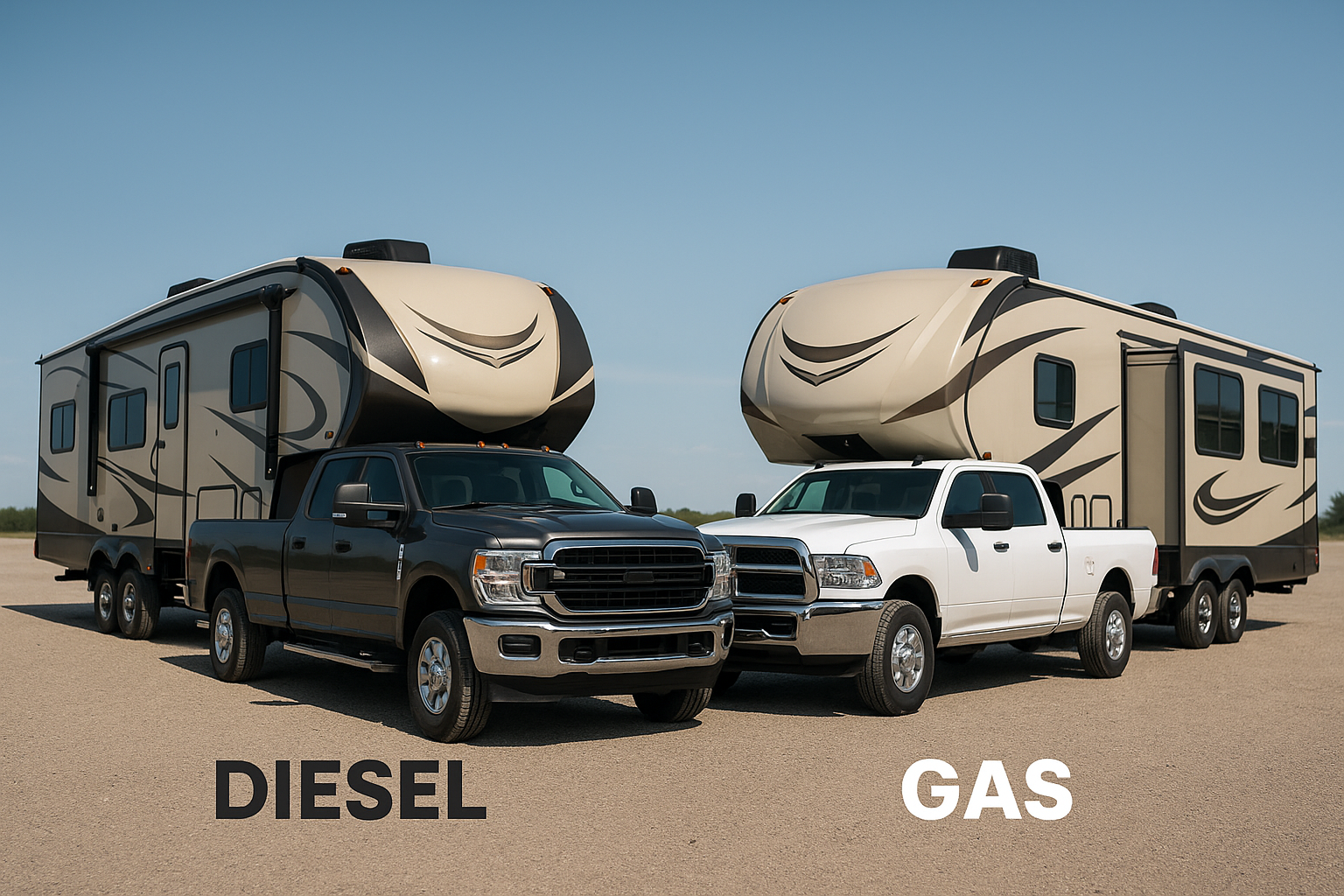
Understanding Diesel vs. Gas Trucks for Heavy Towing
The debate between choosing a diesel or a gas truck for heavy towing is one that many prospective truck owners face. Both options have distinct advantages and disadvantages, particularly when it comes to towing capacity, fuel efficiency, maintenance, and cost. As of 2026, advancements in both diesel and gas technologies have made the decision even more complex. This article aims to shed light on each aspect to help you make an informed choice.
Towing Capacity
When it comes to towing heavy loads, towing capacity is often the primary concern. Diesel trucks are renowned for their higher torque, which directly translates to better towing abilities. Torque is crucial for towing as it allows the truck to pull heavy loads more efficiently, especially from a standstill.
For example, a 2026 Ford F-250 Super Duty diesel variant offers a torque of up to 1,050 lb-ft, while its gas counterpart offers about 475 lb-ft. This significant difference means that diesel trucks often outperform gas trucks when towing trailers, boats, or fifth-wheel campers.
- Torque: More important than horsepower for towing heavy loads.
- Diesel over gas: Diesel engines typically offer higher torque figures than gas counterparts.
- Example: Ford F-250 Diesel - 1,050 lb-ft vs. Gas - 475 lb-ft (2026 models).
Fuel Efficiency
Fuel efficiency is a significant factor for truck owners considering heavy towing, especially with rising fuel costs. Diesel engines generally offer better fuel economy than gas engines due to their higher energy density and efficiency.
According to 2026 data from the U.S. Department of Energy, diesel engines are about 20-25% more efficient. This efficiency translates into fewer stops at the pump during long hauls, despite diesel being more expensive per gallon compared to gasoline. For instance, a diesel truck getting 20 miles per gallon can save significant fuel costs over a gas truck that averages 14 miles per gallon.
- Diesel: 20-25% more fuel-efficient than gas (U.S. Department of Energy, 2026).
- Real-world savings: Fewer refueling stops on long hauls.
- Cost consideration: Diesel's higher price per gallon offset by greater mileage.
Maintenance and Longevity
Maintenance and longevity are crucial considerations, especially for those using their trucks for frequent heavy towing. Diesel engines often have a longer lifecycle than gas engines due to their robust build and lower RPM operation.
Maintenance of diesel engines can, however, be more costly. Parts and services for diesel engines generally demand higher prices, and newer emission control systems require regular attention. A 2026 Consumer Reports study highlights that well-maintained diesel engines can last up to 500,000 miles, compared to around 300,000 miles for gas engines.
- Longevity: Diesel engines tend to last longer under heavy use.
- Maintenance cost: Generally higher for diesel engines.
- Lifespan: Diesel - up to 500,000 miles vs. Gas - around 300,000 miles (Consumer Reports, 2026).
Cost Implications
Cost is naturally a significant consideration in the diesel versus gas debate. Diesel trucks often come with a higher upfront price tag. For instance, a new diesel truck could cost between $8,000 to $11,000 more than a gas variant, primarily due to the more complex engine design and additional components.
However, the long-term savings in fuel efficiency and potential for longer vehicle lifespan might offset the initial cost for some users. It's essential to compute these variables based on expected usage, ensuring that the initial investment aligns with future savings.
- Initial cost: Diesel trucks generally more expensive.
- Long-term savings: Potential returns via improved fuel economy and lifespan.
- Usage evaluation: Crucial for determining long-term cost benefits.
Environmental Considerations
In 2026, the environmental impact of vehicle emissions is a significant concern for many drivers. Diesel engines emit more nitrogen oxides and particulates compared to gas engines, contributing to air pollution. However, newer diesel engines equipped with updated emission controls have reduced this impact significantly.
Meanwhile, gas engines typically emit more carbon dioxide, a greenhouse gas linked to climate change. Choosing between diesel and gas might also involve considering manufacturers' moves towards hybrid and electric options, both of which are becoming more viable in the heavy towing segment.
- Emissions: Diesel - more NOx; Gas - more CO2.
- Emission controls: Modern technologies have reduced diesel pollutants.
- Future alternatives: Hybrid and electric trucks offer greener solutions.
Conclusion: Making the Right Choice
Deciding whether to buy a diesel or a gas truck for heavy towing involves weighing multiple factors. Diesel trucks offer superior towing capacity, fuel efficiency, and longevity, making them ideal for intensive towing tasks. However, they come with higher upfront and maintenance costs.
Gas trucks, while less expensive and easier to maintain, don't offer the same level of towing power or fuel efficiency, which could mean higher running costs over time. Consider your towing needs, budget, and environmental impact when making your choice. With the right calculations and foresight, you can select a truck that meets your requirements and supports your lifestyle.
For more detailed assistance, consulting with automotive experts or dealerships would provide additional personalized insights into the latest model-specific performances and benefits in 2026.