Discover 12 Practical Tips to Lower Your Utility Bills
Explore innovative ways to slash your utility expenses with our curated list of the Top 12 Ways to Reduce Utility Bills. Discover simple yet effective strategies to help you manage costs better while making your home more energy-efficient.
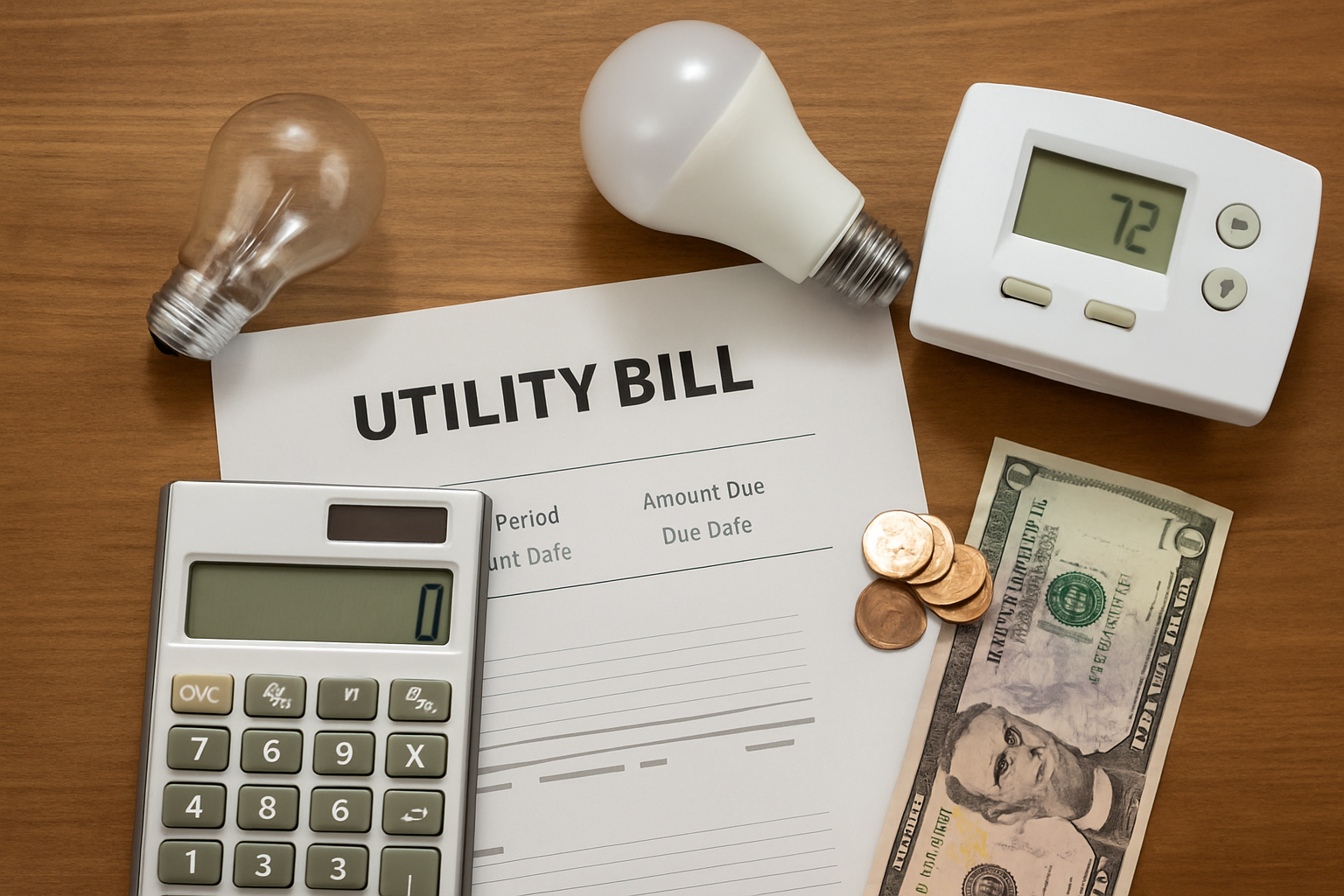
Understanding Energy Consumption
Before diving into the top 12 ways to reduce your utility bills, it's crucial to understand how energy consumption works in a typical household. The average household consumes energy through heating, cooling, appliances, lighting, and electronics. Each plays a significant role in your overall utility bills. Identifying the key energy hogs in your home can lead to more targeted and effective strategies for saving money.
Heating and Cooling
According to the U.S. Energy Information Administration, heating and cooling account for approximately 47% of the average home's energy usage as of 2026. This makes it the most significant expense for energy consumption. Efficient systems and thoughtful management can lead to substantial savings.
Appliances and Electronics
The modern household is filled with appliances and electronics, which constitute about 29% of the energy use. By focusing on these, you can discover a myriad of savings opportunities, especially through upgrading to ENERGY STAR-rated appliances and being mindful of standby power usage.
Top 12 Ways to Reduce Utility Bills
1. Conduct a Home Energy Audit
An energy audit helps identify areas where your home is losing energy and what improvements you can make to enhance efficiency. Professional audits employ specialized tools like blower doors and infrared cameras to detect hard-to-find issues.
2. Insulate Your Home
Proper insulation in your walls, attic, and floors can reduce energy loss, making heating and cooling more efficient. According to EnergyStar, homeowners can save an average of 15% on heating and cooling costs by sealing and insulating their homes effectively.
3. Install a Programmable Thermostat
Programmable thermostats allow for automatic adjustments to your heating and cooling systems according to your schedule, optimizing usage rates and saving up to 10% on utility bills annually. Smart thermostats provide even better control and feedback.
4. Upgrade to LED Lighting
Switching from incandescent bulbs to LED lighting can reduce lighting energy usage by up to 75%. LEDs last 25 times longer, further contributing to reduced replacement costs.
5. Utilize Energy-Efficient Appliances
Choose ENERGY STAR-rated appliances that use significantly less electricity than traditional models. For instance, an ENERGY STAR refrigerator can save up to $100 over its lifetime.
6. Seal Windows and Doors
Draughty windows and doors are common culprits for energy loss. Sealing leaks with caulking or weatherstripping is a cost-effective method for keeping your home comfortable and energy-efficient.
7. Use Solar Power
Investing in solar panels can substantially reduce electricity bills by harnessing free energy from the sun. With the advancements in panel efficiency, solar installations have become increasingly viable and cost-effective.
8. Practice Energy-Saving Habits
Simple practices such as turning off lights when leaving a room, unplugging devices when not in use, and using cold water for laundry can significantly contribute to energy savings.
9. Maintain HVAC Systems Regularly
Regularly servicing your HVAC system ensures it runs efficiently. Change filters every three months and schedule annual tune-ups to prevent energy wastage.
10. Reduce Water Heater Temperature
Setting your water heater to 120 degrees Fahrenheit can save on energy costs without sacrificing comfort. This adjustment prevents overheating and excessive energy consumption.
11. Embrace Natural Ventilation
Whenever possible, utilize natural ventilation by opening windows and doors to cool your home instead of relying solely on air conditioning. This can significantly reduce energy use during mild weather.
12. Participate in Utility Incentive Programs
Many utility companies offer incentives for energy-efficient upgrades. These can include rebates for purchasing efficient appliances, conducting audits, or making structural improvements. Check with your local utility for available programs.
Additional Resources and Expert Insights
To explore more about energy savings and utility reductions, consider these resources:
- ENERGY STAR - For tips on energy-saving products.
- The U.S. Department of Energy - For detailed guides on home energy audits and improvements.
- U.S. Energy Information Administration - For current energy statistics and data.