Discover 5 Affordable Places to Live in South Carolina
Explore the hidden gems of South Carolina where housing is still affordable without compromising on quality of life! From charming coastal towns to vibrant inland communities, discover the top 5 places that offer budget-friendly living options.
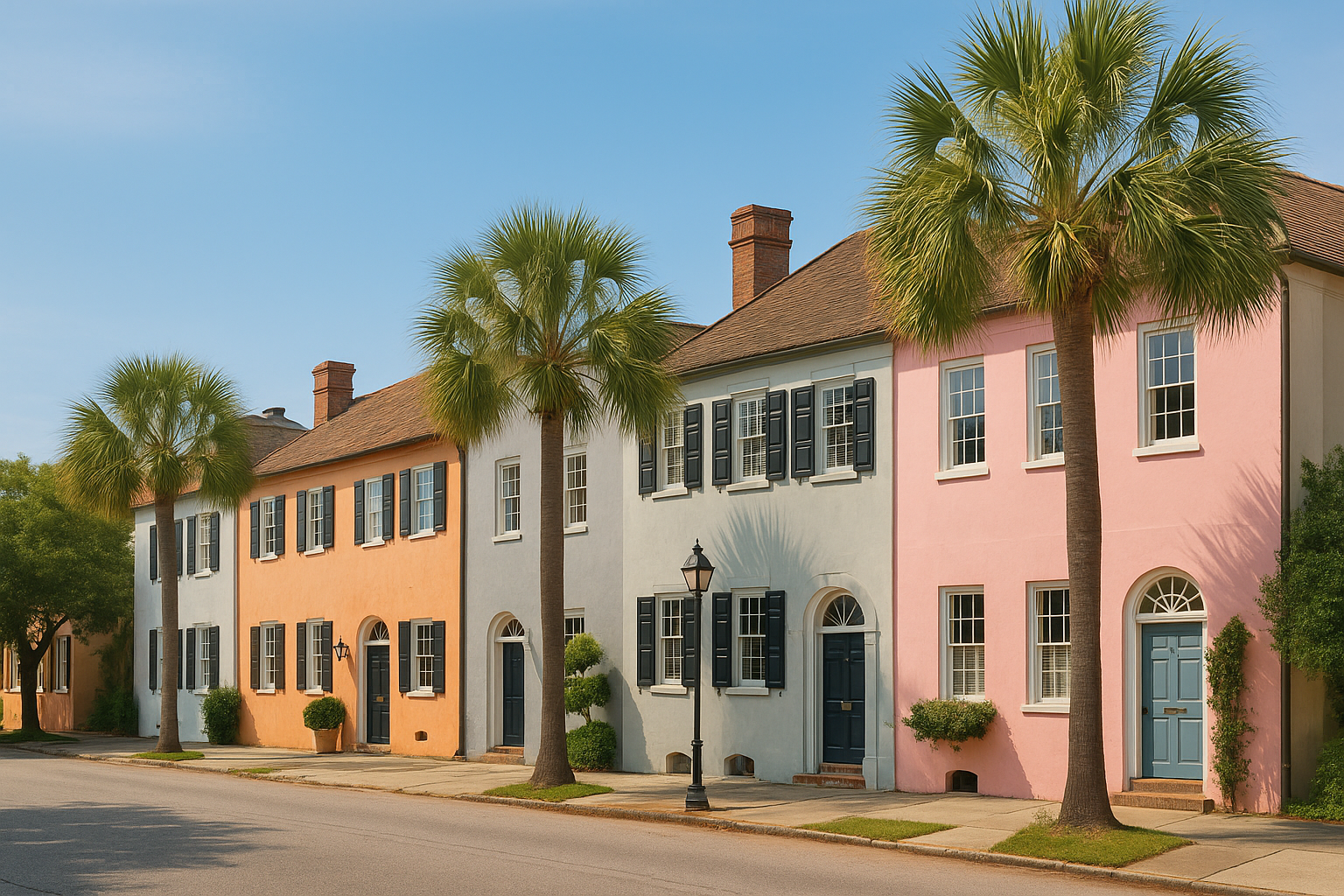
Understanding Housing Affordability in South Carolina
Before diving into specific locations, it's essential to understand what makes housing affordable and the factors affecting affordability in South Carolina. Key aspects to consider include median income levels, property values, property taxes, and local amenities. As of 2026, South Carolina's real estate market continues to grow due to its attractive living conditions and economic opportunities.
Defining Affordability
Housing affordability typically means that monthly housing costs, including rent or mortgage payments, taxes, and insurance, don't exceed 30% of a household's gross income. In South Carolina, the median household income varies significantly by region, impacting what is considered affordable in different areas.
Top 5 Places in South Carolina Where Housing Is Still Affordable
1. Sumter
Sumter is a city offering a balance of amenities and affordable housing. The cost of living in Sumter is noticeably lower than both the national and state averages. With a median home price of approximately $200,000 in 2026, Sumter remains accessible for many families. The city is known for Shaw Air Force Base, which contributes to its stable economy and community resources.
- Economic Opportunities: Manufacturing and military sectors provide steady employment.
- Community Amenities: Swan Lake Iris Gardens and a rejuvenated downtown area attract residents.
2. Spartanburg
Spartanburg has emerged as a hub for affordability and growth. The blend of educational institutions like Wofford College and a robust manufacturing base has kept this area economically vibrant while maintaining affordable living costs. The median home price here is about $250,000, which is reasonable considering the amenities.
- Job Market: BMW and Michelin have a significant presence, offering numerous job opportunities.
- Cultural Activities: Spartanburg offers music, arts, and dining experiences that enrich the community lifestyle.
3. Florence
Located at the junction of I-95 and I-20, Florence is both accessible and affordable. As of 2026, the median home price is around $210,000. Florence combines suburban charm with urban convenience, making it ideal for families looking for space and affordability.
- Healthcare Facilities: Renowned medical centers offer exceptional healthcare services.
- Education: Strong public and private school systems serve the community well.
4. Aiken
Known for its equestrian culture and historic character, Aiken offers a blend of tradition and economic prudence. Housing in Aiken remains affordable, with a median price of $230,000. Its appeal is bolstered by a strong sense of community and slower pace of life.
- Recreational Activities: Numerous parks and the Hitchcock Woods provide outdoor opportunities.
- Arts and Culture: The cultural presence is marked by festivals and local arts initiatives.
5. Rock Hill
Adjacent to Charlotte, NC, Rock Hill offers proximity to big-city amenities while maintaining its affordability. With a median home price of $260,000 in 2026, Rock Hill draws those seeking value within reach of a metropolitan hub.
- Growing Economy: Tech and service sectors are expanding, supporting job creation.
- Educational Resources: Winthrop University brings educational depth and diversity.
Factors Influencing Housing Affordability
Numerous elements contribute to maintaining housing affordability in these areas. Demographic shifts, economic policies, and infrastructure developments all play crucial roles. Incomes have moderately increased, outpacing the rise in real estate prices in many of these regions.
Economic & Policy Influence
State policies supporting economic development have helped keep housing prices stable. For example, tax incentives for new businesses encourage economic activity, indirectly supporting housing markets by increasing demand and enhancing local economies.
For more detailed data and housing reports, consider referring to trusted sources like the U.S. Census Bureau and the National Association of Realtors.